


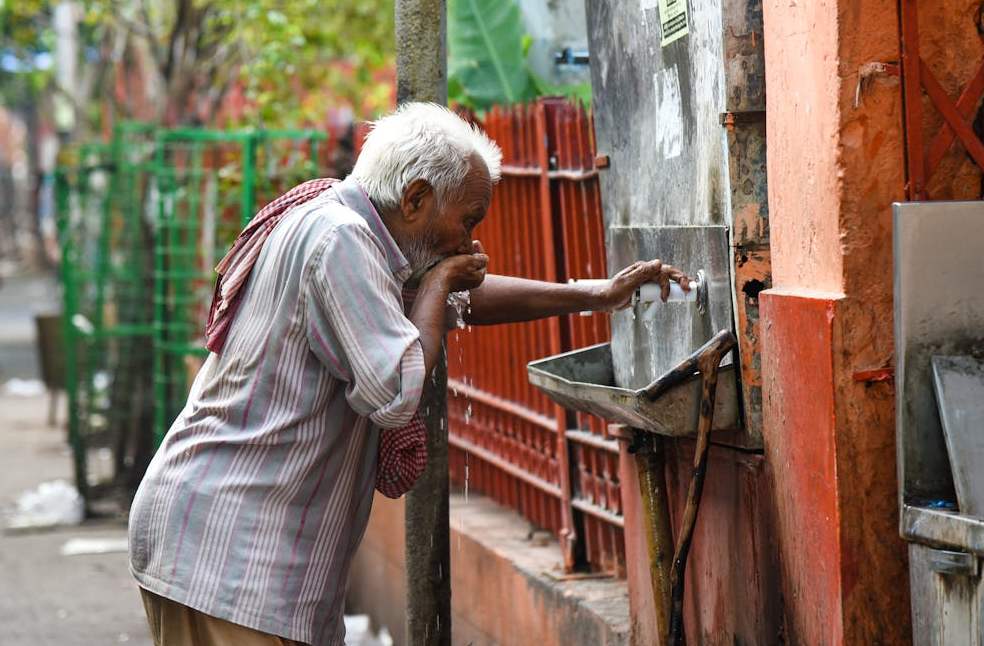
New Delhi: Delhi is once again grappling with extreme summer temperatures, with parts of the city recording highs of around 45C. While the intense heat has forced many residents indoors, millions of workers continue to spend long hours outdoors as they struggle to earn a living.
The heatwave has highlighted the challenges faced by India’s vast informal workforce, which accounts for nearly 90 percent of total employment. Street vendors, construction workers, delivery personnel, drivers and other daily wage earners often have little choice but to remain outside despite dangerous weather conditions.
Experts warn that prolonged exposure to such extreme temperatures can lead to dehydration, heat exhaustion and potentially life-threatening heatstroke. The risks are even greater for those working continuously under direct sunlight without access to adequate shade, water or cooling facilities.
Climate scientists say heatwaves across India are becoming more frequent, longer-lasting and increasingly severe due to global warming. Urban areas such as Delhi face additional challenges because of the urban heat island effect, where concrete structures, asphalt roads and dense traffic trap heat and keep temperatures elevated.
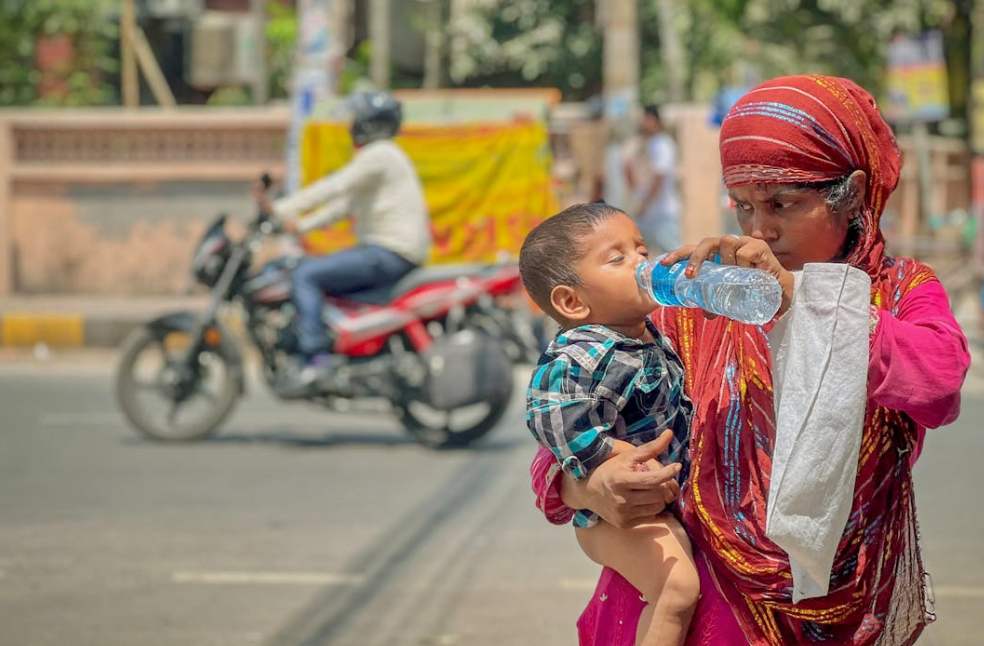
Authorities have issued repeated warnings advising residents to stay hydrated, avoid outdoor activity during peak afternoon hours and seek shelter whenever possible. The Delhi government has also implemented heat action measures, including cooling centres, public awareness campaigns and water distribution points across the city.
However, following these recommendations is often difficult for people whose livelihoods depend on daily earnings. Missing work for even a single day can have serious financial consequences for families already living on limited incomes.
Health professionals have also expressed concern about rising nighttime temperatures, which prevent the body from recovering after long periods of heat exposure. This increases the risk of cumulative health impacts, particularly among vulnerable groups such as outdoor workers, the elderly and those with existing medical conditions.
As temperatures continue to remain unusually high, the situation underscores the growing social and economic impact of climate change. For many low-income residents, extreme heat is no longer just a seasonal inconvenience but an increasingly serious threat to both their health and their ability to earn a living.
ALSO READ | UK heatwave sparks water safety warnings nationwide
