


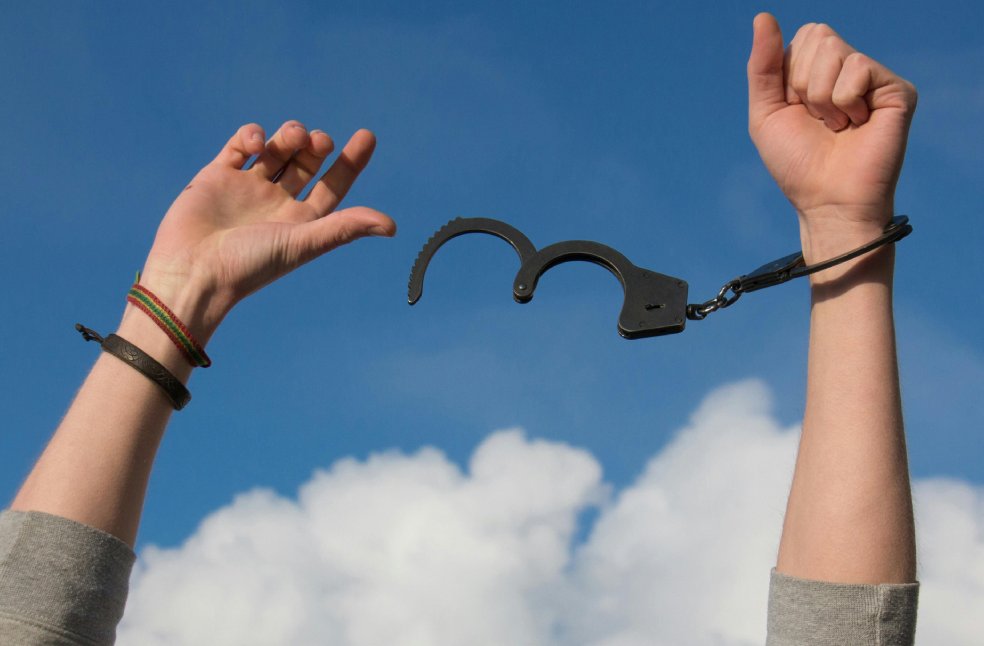
Havana: Cuba has started releasing prisoners after announcing that 2,010 inmates would be freed in what authorities described as a ‘humanitarian and sovereign gesture, as the island faces mounting pressure from the United States and a worsening energy crisis.
Emotional scenes unfolded outside detention centres, including La Lima prison near Havana, where families gathered early and reunited with relatives as they walked free, many in tears and embracing loved ones.
The Cuban government said the release will include foreign nationals, women, young people and prisoners over 60, with eligibility based on factors such as good conduct, time already served and health conditions.
Holy week timing and diplomatic backdrop
Officials linked the move to Holy Week, calling it part of a customary practice within the country’s justice system. The release also comes at a time of heightened tensions with the United States, where President Donald Trump has intensified pressure on Cuba’s leadership through sanctions and restrictions on oil shipments.
The resulting fuel shortages have triggered nationwide blackouts and economic strain, further complicating life on the island.
Political prisoners question remains
Human rights organisations have raised concerns over transparency, noting that it remains unclear whether political prisoners are included in the release.
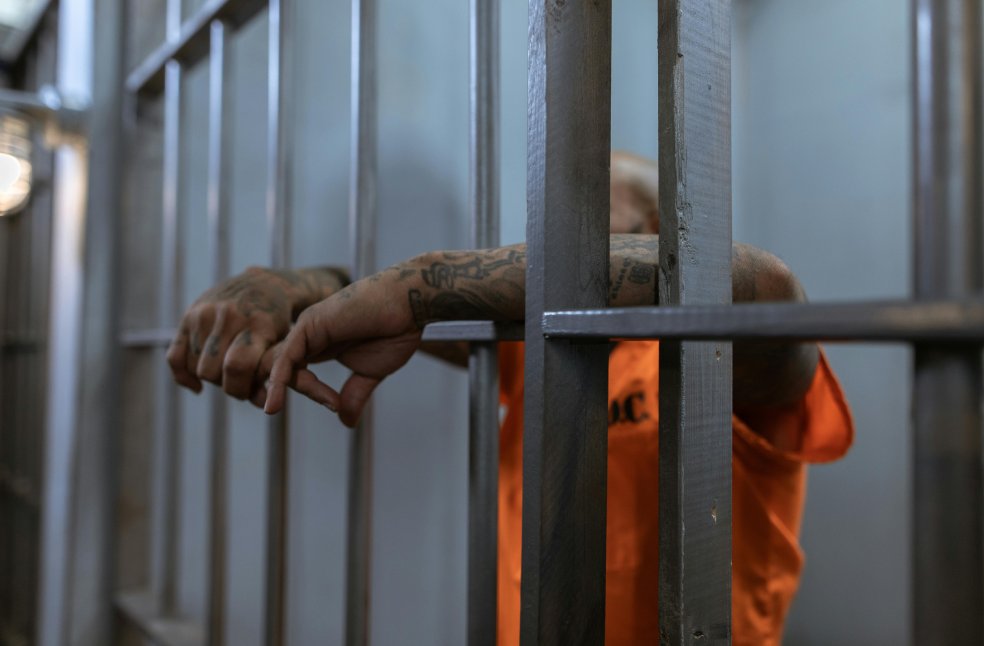
Groups such as Human Rights Watch estimate that hundreds of political detainees remain imprisoned, many linked to past protests. Critics argue that most of those freed so far appear to be individuals convicted of common crimes such as robbery. Cuba, however, denies holding political prisoners, maintaining that those jailed have committed criminal offences.
Broader geopolitical context
The prisoner release is unfolding amid shifting geopolitical dynamics in Latin America. The US has tightened its stance on Cuba while also targeting regional allies, including Venezuela, over political and economic issues.
At the same time, limited flexibility has been shown, with Washington allowing a Russian oil tanker to dock in Cuba recently, offering temporary relief to the island’s energy crisis.
Second release this year
This marks the second prisoner release in 2026, following the freeing of 51 inmates in March after talks involving the Vatican.
Despite the large-scale amnesty, analysts say the move is unlikely to ease tensions significantly unless it includes broader political reforms or the release of high-profile detainees.
MOST READ | Assisi displays remains of St. Francis to mark 800 years since his death
