


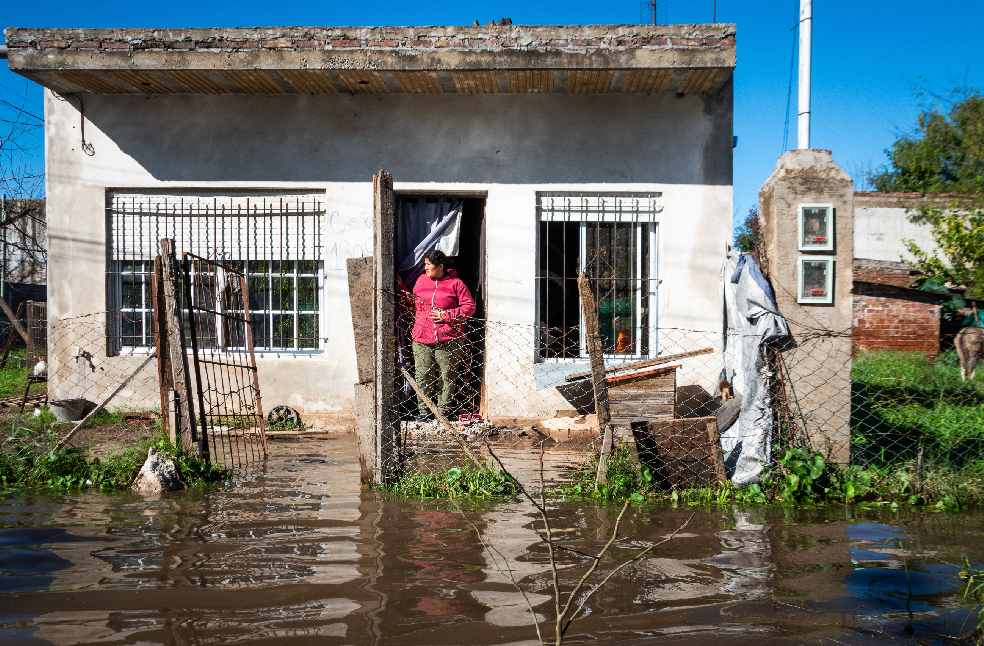
Singapore: Climate change likely contributed to the deadly Nepal glacier collapse that triggered devastating floods in Nepal and Tibet in late August.
The disaster killed around 1,400 people and left thousands missing. Researchers from the World Weather Attribution (WWA) noted that rapidly rising temperatures across the Himalayas have thinned glaciers and contributed to the melting of permafrost and ice within the bedrock.
The collapse occurred on Langtang Lirung mountain on August 26. Around 2 square kilometres of rock wall and glacier ice collapsed and sent a massive flow of rock, ice and water down the mountain. The material then developed into a destructive debris flood and flash flood.
Researchers stated that the exact contribution of climate change to the collapse cannot be determined. However, warmer conditions created conditions that made the slope more vulnerable. The study found that average temperatures across the Himalayan region were around 5 degrees Celsius (9 degrees Fahrenheit) above normal in August. About 1.5 degrees Celsius of that increase was attributed to human-induced climate change.
Unusually heavy snowfall in October and November last year also increased the amount of ice and water available to melt as temperatures rose. Glaciers in the region have been thinning by more than half a metre a year. This long-term loss of ice has changed stresses on surrounding rock.
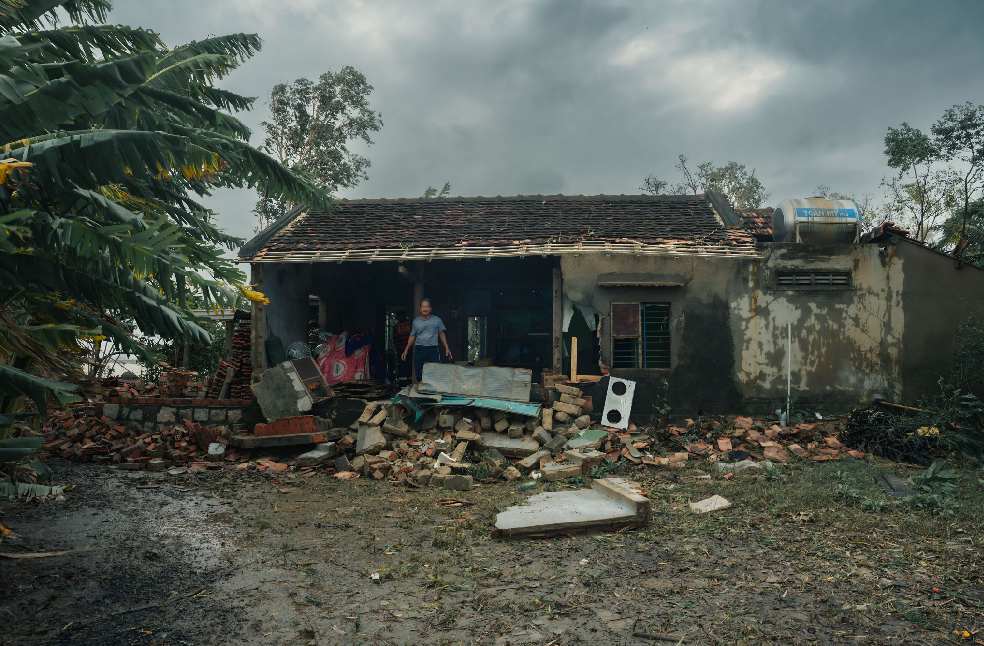
Melting permafrost may have weakened the rock wall further. The thawing of ice within cracks can reduce the strength of the rock while meltwater can increase pressure within existing fractures. Researchers remarked that warmer conditions also shifted more precipitation from snow to rain at high elevations.
A magnitude 7.8 earthquake struck the same mountain in 2015 and may have weakened the underlying bedrock. Researchers added that the earthquake’s specific contribution to the 2026 collapse remains unclear. The slope was already geologically vulnerable, while glacier retreat, permafrost degradation, excess meltwater and unusually high temperatures may have further destabilised it.
WWA stressed that climate change should be viewed as a destabilising factor rather than the fundamental cause of the collapse. Researchers have not established whether the event would have occurred without human-induced climate change.
The analysis found that human-caused climate change increased Himalayan July and August temperatures by about 1.5 degrees Celsius. Researchers warned that rapidly warming conditions could increase the likelihood and severity of similar hazards in the region.
POPULAR | Saudi Arabia issues warning after Houthi drone interception
