


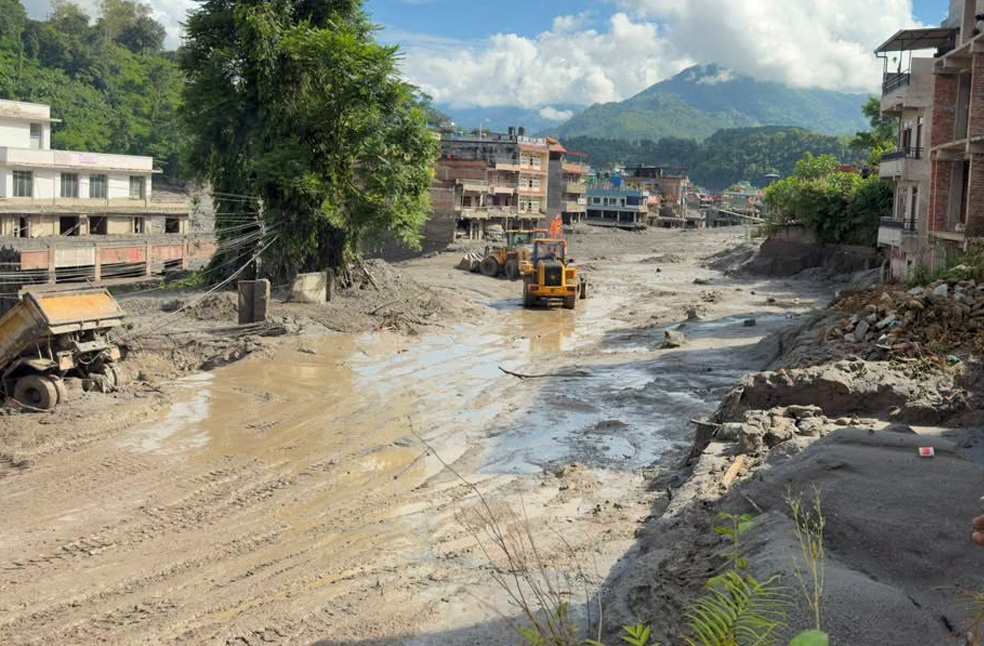
Beijing: China is stepping up efforts to prevent further flooding near a disaster-hit border crossing between Tibet and Nepal, following a devastating flash flood that killed hundreds on Wednesday.
Authorities have warned of renewed flooding risks in the Himalayan region after debris from the disaster formed two barrier lakes on either side of the border. The unstable lakes could potentially breach and send large volumes of water downstream.
China has deployed an eight-member engineering team to conduct aerial surveys and create 3D models of the barrier lake as authorities work to assess the threat.
Devastating flash floods struck northern Nepal on 26 August, destroying homes, roads and bridges and cutting off communities.
Nepal Red Cross teams are delivering water, food, shelter, first aid and emergency relief.
Help us reach those in need: https://t.co/t3F8KCv0hl pic.twitter.com/wVvPf4QQ8t
— TAIWAN RED CROSS (@TAIWAN_REDCROSS) August 28, 2026
Engineer Chen Hanxiao said difficult terrain was among the main challenges facing the team. The glacier collapse that formed the lake left behind isolated and steep cliffs, making access to the site particularly difficult.
Engineers are considering excavating a drainage channel through a lower section of the debris dam to reduce pressure on the lake. However, the channel’s required size will depend on calculations of water flow and the rate at which the lake is filling.
Survey data showed the lake is about 150 metres long and between 40 and 50 metres deep, containing an estimated 1.5 million to 2 million cubic metres of water. The team will continue monitoring the lake, collecting data from its floor and tracking weather conditions in the coming days.
The Gyirong border port area has experienced light to moderate rainfall, further loosening and destabilising soil and rocks around the vulnerable upstream zone. Rain is forecast to continue over the coming week.
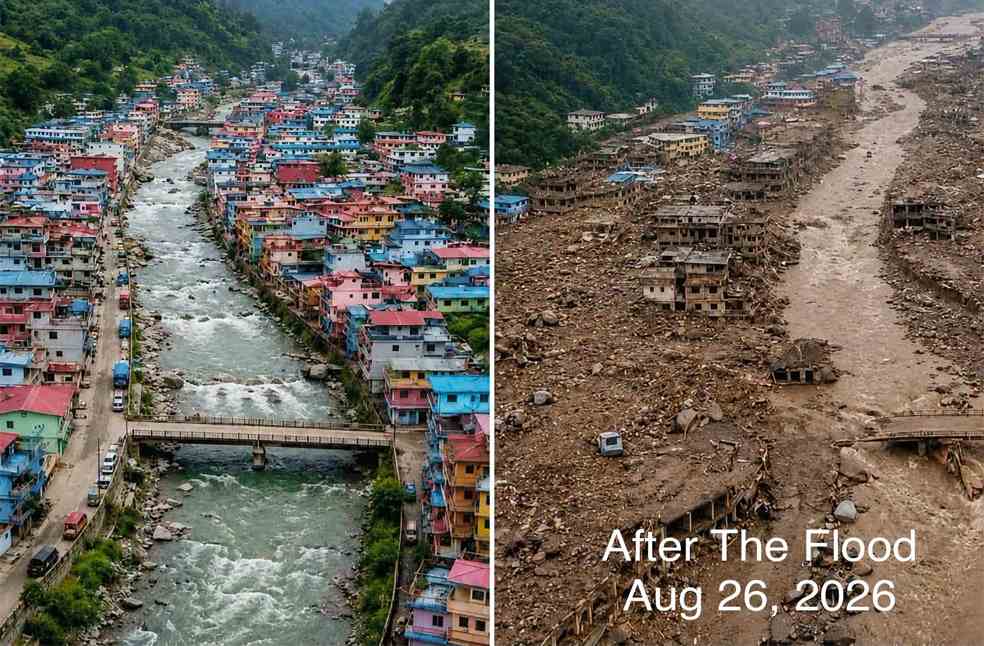
Fresh flood threat
Authorities warned that an additional 3 million cubic metres of water, equivalent to around 1,200 Olympic-sized swimming pools, could enter the still-dammed lake over the next three days. This could significantly increase the risk of a breach, with peak flow expected around September 1.
Aerial footage showed large quantities of muddy water accumulating in a basin with no visible outlet. The rising water had already submerged bushes and trees and appeared to be pressing against a barrier made of debris and rocks.
Nearly 1,000 people remain missing on both sides of the border, including as many as 540 foreign nationals from 31 countries, according to officials.
Authorities are continuing to closely monitor the barrier lake and surrounding terrain as rainfall persists, with efforts focused on reducing the risk of a sudden breach. The situation remains closely watched as water levels rise and hundreds of people remain unaccounted for following the devastating flooding.
RELATED POST | Nepal flood claims 162 lives, search operations intensify
