


Ottawa: Canada has imposed retaliatory tariffs on imports from the United States, escalating the ongoing trade dispute between the two countries.
The tariffs, ranging from 15 percent to 50 percent, took effect from 12:01am ET on September 8 and cover nearly $20 billion worth of US imports. The measures target more than 700 products, including steel, household appliances, agricultural equipment, dairy products and other consumer goods.
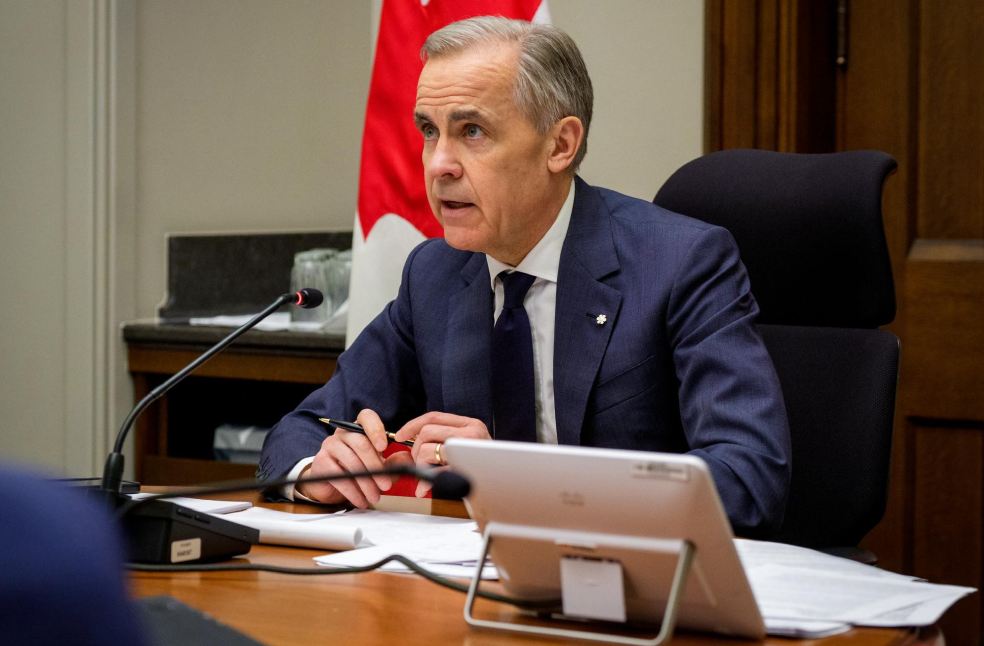
The move follows the United States imposing tariffs on Canadian goods, including machinery, textiles and consumer products. Canadian Prime Minister Mark Carney said the country would respond to Washington’s measures on a dollar-for-dollar basis to protect Canadian workers, farmers, families and businesses.
US President Donald Trump announced 50 percent tariffs on certain Canadian products in July, citing what he described as discriminatory treatment of US goods. The announcement triggered a fresh round of trade negotiations between Ottawa and Washington in August.
However, the talks failed to produce a final agreement before a deadline set by Trump, leading to further tariff measures from the United States. In response to Canada’s decision, Trump accused the country of seeking the benefits of being a state without becoming one, in a post on Truth Social.

The Canadian government has also announced a $5.42 billion support package for affected small and medium-sized businesses and workers as the new tariffs take effect.
The trade tensions have expanded beyond tariffs. Trump threatened to block Canadian aircraft manufacturer Bombardier from selling planes in the US unless the company begins manufacturing them in the country.
The dispute has also split into other areas, with Trump signing an order last month referring to Lake Ontario as ‘Lake America’ for US federal purposes. The latest measures could place additional pressure on US businesses, particularly automakers, as Canada remains the largest buyer of US-manufactured cars.
Meanwhile, American consumers could face higher prices on hundreds of Canadian goods. A report by the Kiel Institute for the World Economy found that US importers and consumers absorb around 96 percent of the burden from tariffs, raising concerns that the escalating trade dispute could contribute to higher prices and broader economic pressures.
MOST READ | Eiffel Tower closed after staff strike over BAPS visit
