



Jakarta: Indonesia has suspended 1,999 kitchens from the free meals programme after the facilities failed to register for mandatory hygiene and sanitation checks.
The National Nutrition Agency taken the action against kitchens that did not register with the health ministry for required hygiene and sanitation certification. Sudaryono, National Nutrition Agency Chief noted that the suspended facilities will undergo investigation before further measures are considered.
Indonesia currently has 27,022 kitchens distributing free meals across the country as of September 7. The programme expanded significantly since its launch in January 2025. The government promoted the initiative as a major effort to provide free meals to children and other recipients.
The suspension comes as the programme faces several difficulties since its launch. Allegations of corruption and leadership changes have added to concerns surrounding the initiative. A series of food poisoning incidents also raised questions about kitchen operations and meal distribution.
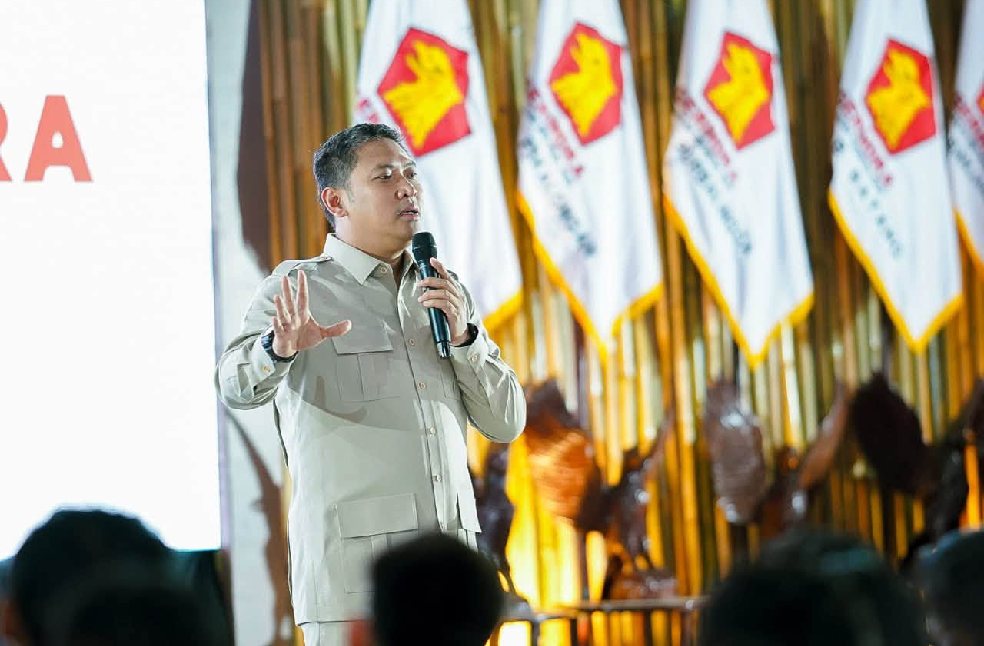
Sudaryono added that hygiene and sanitation certification is a mandatory condition for kitchens operating under the programme. Compliance with food safety standards has been described as essential for maintaining meal quality and protecting recipients.
More than 2,000 students and teachers across several Indonesian provinces fell sick after consuming meals provided through the programme. The agency pledged to address the cases seriously as authorities assess the circumstances surrounding the incidents.
The agency previously identified improper food storage and delays in meal delivery as the main causes of food poisoning cases. Such problems can increase the risk of contamination and placed greater attention on hygiene standards across the large network of kitchens.
The latest suspension is expected to give authorities an opportunity to investigate kitchens that have not completed the required certification process. Further action will depend on the findings of those investigations. The programme’s scale means maintaining consistent food safety standards remains a key challenge as thousands of kitchens continue supplying free meals across Indonesia.
MOST READ | Bangladesh dengue surge raises fears of a wider health crisis
