


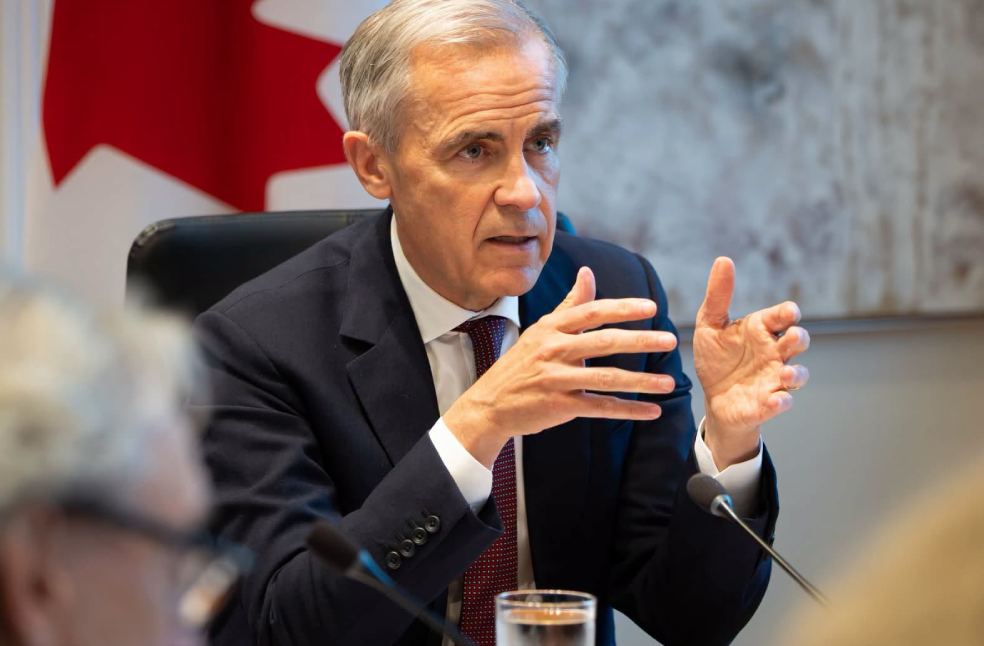
Ottawa: Canada has announced retaliatory tariffs on a range of US goods after Washington imposed a 50 percent tariff on around $20 billion worth of Canadian exports, escalating tensions between the two longtime trade partners.
Canadian Prime Minister Mark Carney said the new measures would take effect on September 8 and target key US industries, including steel, dairy, electronics, appliances, agricultural equipment, and pulp and paper.
Carney stated that, “Canada will match Washington’s new tariffs dollar for dollar,” stressing that the measures were intended to protect Canadian workers, farmers, families and businesses. The announcement followed the breakdown of several days of negotiations between the two countries. Carney said earlier discussions had shown progress, but the United States later presented conditions that Canada considered unacceptable.
LIVE: Canada’s response to U.S. tariffs • EN DIRECT : Notre réponse aux droits de douane américains https://t.co/w51zKGOAlq
— Mark Carney (@MarkJCarney) August 22, 2026
According to Carney, the proposed US terms were uneconomic and unfair and could have limited Canada’s ability to negotiate future trade agreements with other countries. He also said some US demands raised concerns over the protection of French language rights and Quebec culture.
The latest US tariffs cover approximately $20 billion worth of Canadian goods, representing about 5.5 percent of Canada’s exports to the United States. Affected products include wine, furniture, dairy products, cement, clothing, fishing equipment and hockey equipment.
Canada is heavily dependent on the US market, with nearly 70 percent of its exports going to its southern neighbour. The escalation is therefore expected to place additional pressure on Canadian businesses and consumers.
Carney said the Canadian government would announce support measures for industries affected by the new US tariffs in the coming days. Some of the assistance could remain in place for several years, depending on the economic impact.
No new trade talks planned
The United States has indicated that there are currently no plans for another round of negotiations. US Trade Representative Jamieson Greer said Washington would move ahead with measures responding to Canada’s retaliation, maintaining that Canada had been offered favourable trade terms.
The escalating dispute has raised concerns about higher prices, increased unemployment and financial pressure on businesses in both countries. Small and medium-sized Canadian companies could face particular challenges if tariffs remain in place for an extended period.
Carney, however, has presented the dispute as an opportunity for Canada to reduce its dependence on the US economy. His government has been seeking stronger commercial relationships with countries in Europe and Asia while exploring ways to diversify Canadian exports.
Public opinion in Canada has also shown support for a tougher negotiating position. A recent Leger poll found that 56 percent of Canadians favoured taking a harder line in trade negotiations with the United States.
Political and business reaction
Ontario Premier Doug Ford backed Carney’s decision to retaliate, arguing that accepting the US terms would have harmed Ontario’s automotive, steel and manufacturing sectors. Business groups in the United States, meanwhile, have warned that the escalating tariffs could increase costs for American companies and households.
The Business Roundtable, which represents leading US corporations, said the new tariffs risk raising costs for businesses and families and called on both governments to return to negotiations. Democratic lawmakers and governors in several US border states have also criticised the tariff escalation, arguing that the measures could increase consumer prices and create additional uncertainty for businesses.
The latest developments mark another major escalation in the trade dispute between Canada and the United States, with both sides facing growing economic pressure as the September 8 deadline approaches.
POPULAR | Giant Python successfully treated with human cancer therapy
