



London: Teeth grinding, medically known as bruxism, may affect millions of people and is increasingly being noticed among younger adults. The condition can lead to worn or damaged teeth, jaw pain, headaches, facial discomfort and disrupted sleep, while many people may not realise they are grinding or clenching their teeth.
Bruxism is a broad term covering several jaw movements, including clenching, grinding, bracing and thrusting. It can occur during sleep or while a person is awake, with some people experiencing only occasional symptoms and others developing significant dental and muscular problems.
Common signs include flattened, chipped or worn teeth, morning headaches or facial pain, jaw stiffness, tooth sensitivity, poor sleep and daytime tiredness. Pain around the ears or temples without an infection can also be associated with the condition.
Stress is considered one of the factors that can contribute to bruxism. Psychotherapists have reported that some people notice an increase in teeth grinding during particularly stressful periods. The body’s response to stress can cause muscles to tense, while the close relationship between the nervous system and jaw muscles may contribute to clenching and grinding.
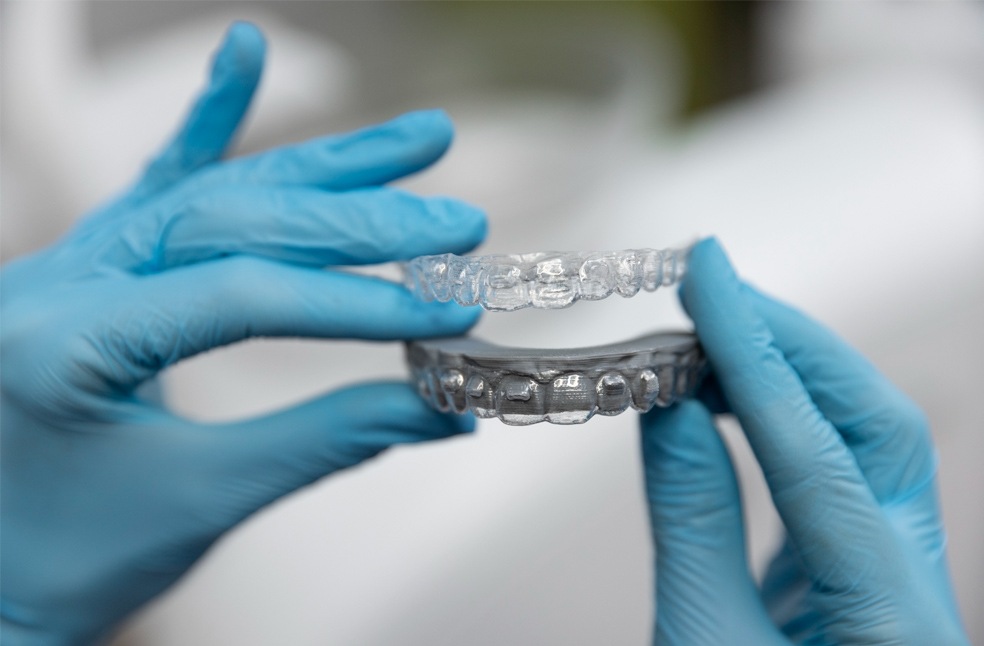
Dentists warn that prolonged grinding can gradually wear down teeth and, in severe cases, lead to cracked or fractured teeth and complex dental treatment. However, significant damage may take years to develop, and many people remain unaware of the extent of the wear until it is identified during a dental examination.
Treatment generally depends on the underlying cause and the severity of the condition. Night-time mouthguards can help protect teeth from further damage, but dental specialists say it is also important to investigate why the grinding is occurring rather than treating only its symptoms.
Sleep disorders can be one possible factor. Obstructive sleep apnoea, for example, can cause repeated interruptions to breathing during sleep, and jaw movements may occur as the body attempts to reopen the airway.
Other approaches may include physiotherapy, cognitive behavioural therapy and lifestyle changes aimed at reducing stress and improving sleep. In cases linked to sleep apnoea, treatments such as continuous positive airway pressure (CPAP) or mandibular advancement devices may be considered.
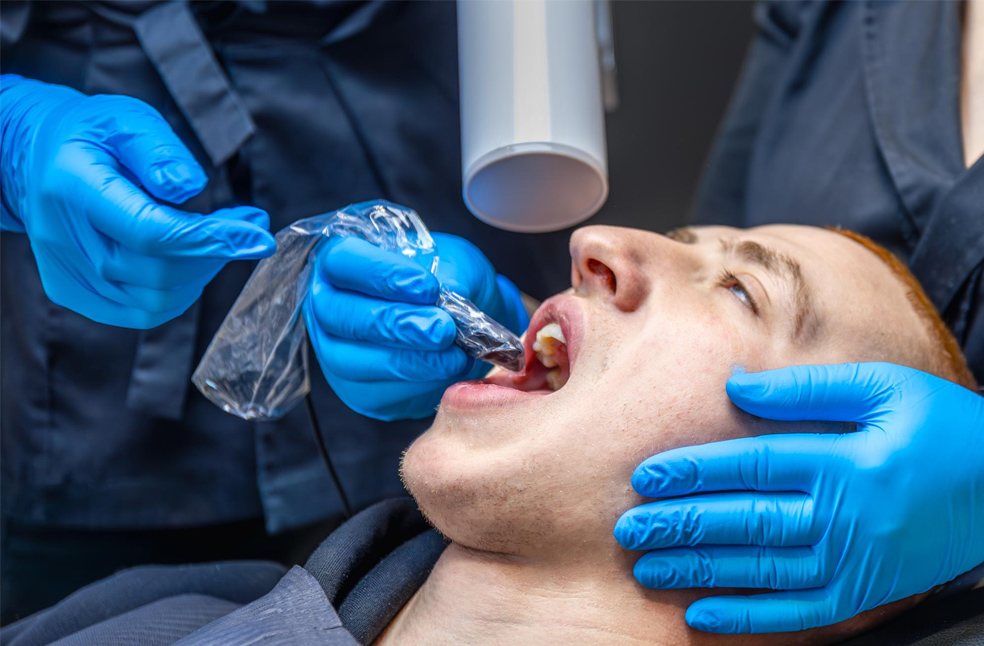
Muscle-relaxing injections, including Botox, are also used in some cases to reduce activity in the jaw muscles, although they are not routinely offered through the NHS in the UK and their effects are temporary.
Researchers also note that bruxism is not necessarily harmful in every circumstance. Jaw movement stimulates saliva production, which helps protect the mouth and supports digestion. Early research has also explored possible links between chewing, blood flow to the brain and cognitive function.
Because bruxism can have several contributing factors, specialists increasingly view it as a condition involving the brain, nervous system, sleep, physical health and psychological factors. A broader assessment can therefore help determine the most appropriate treatment and address potential underlying causes.
Recognising bruxism early can help prevent long-term damage to the teeth and reduce persistent jaw and facial pain. A combination of dental care, stress management, sleep support and other appropriate therapies can help protect oral health and improve overall wellbeing.
ALSO READ | Apple’s $1,999 foldable iPhone faces questions over appeal
