


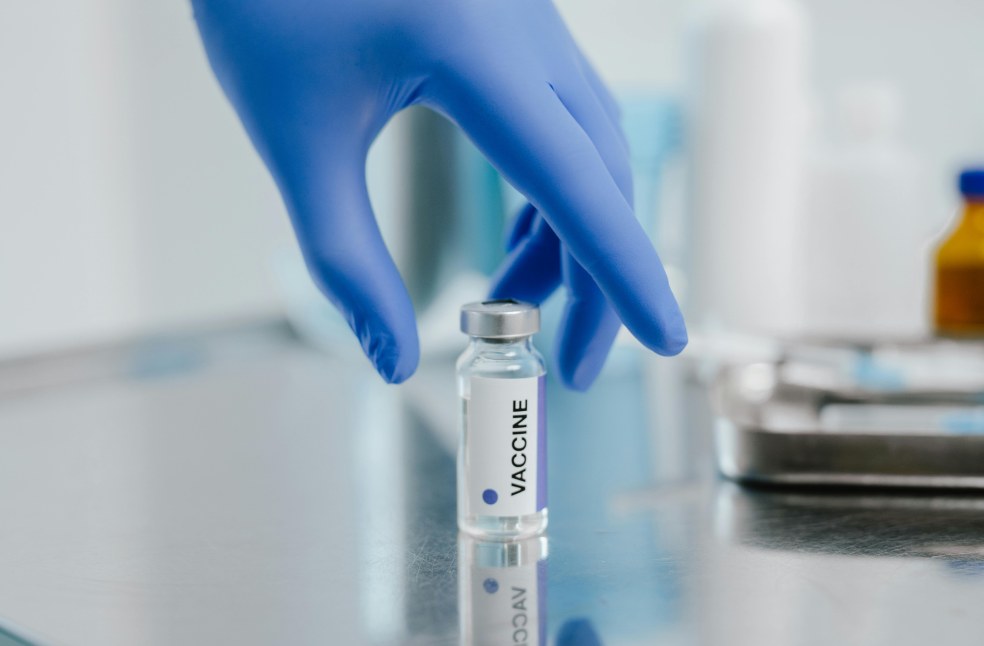
Queensland: A new initiative offering a painless, needle-free flu vaccine to children is being rolled out across several Australian states, as authorities move to reverse declining vaccination rates among young children.
New South Wales has joined Queensland, South Australia and Western Australia in providing the nasal spray flu vaccine free of charge to eligible children. The vaccine is administered as a simple spray into each nostril, offering a gentle alternative to traditional injections and making the process less stressful for both children and parents.
Health officials believe the needle-free option could significantly improve vaccine uptake, particularly among families hesitant about injections. NSW Health Minister Ryan Park highlighted the benefit, noting that reducing anxiety around vaccinations could encourage more parents to immunise their children.
Eligibility for the free nasal spray varies by state. New South Wales and South Australia are offering it to children aged two to four, Queensland covers those aged two to five, while Western Australia extends access to children aged two to 11.
The rollout comes at a critical time, as flu vaccination rates among children under five have dropped sharply in recent years. According to the National Centre for Immunisation Research and Surveillance, only 25.7 percent of children under five were vaccinated by September 2025, down from 44.6 percent in 2020.
In New South Wales, the situation is particularly concerning, with vaccination rates falling below 25 percent, well under the 40 percent target outlined in the state’s immunisation strategy. Health data also points to rising flu-related illnesses among young children.
During the last flu season, more than 24,500 influenza cases were recorded in children under five in NSW. Emergency departments reported over 4,600 visits for flu-like symptoms, along with more than 960 hospital admissions, a 40 percent increase compared to previous years.
While the nasal spray vaccine is approved for children aged two to 17 across Australia, families outside the participating states or outside the eligible age groups may need to pay between $50 and $70 for the dose.
The Royal Australian College of General Practitioners has urged broader access to the free nasal spray, arguing that expanding eligibility could help lift immunisation rates and reduce pressure on hospitals.
Meanwhile, the traditional flu vaccine remains free for high-risk groups, including children aged six months to under five, pregnant women, Aboriginal people, those over 65, and individuals with serious health conditions.
Health experts say the introduction of a needle-free option could be a turning point in improving vaccination coverage and protecting young children from severe influenza complications.
POPULAR | Financial Independence: Why it matters on International Women’s Day
