


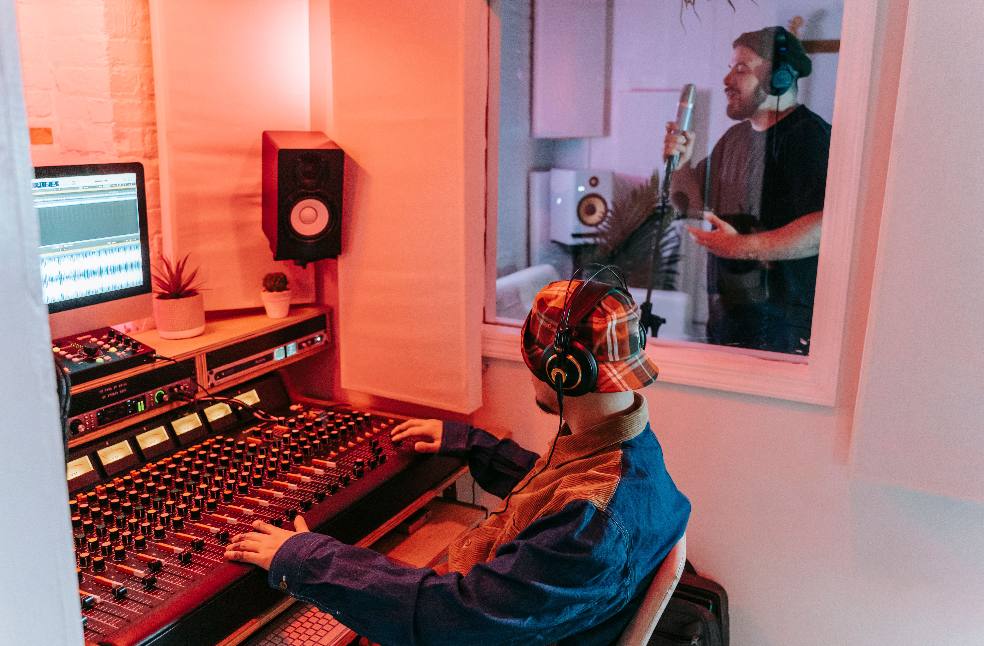
Sydney: Australia has introduced stricter chart rules that limit eligibility for songs created largely or completely using artificial intelligence, reshaping requirements for official music chart entry.
The Australian Recording Industry Association (ARIA) introduced the updated code to protect the human nature of artistry as musicians compete for attention in an increasingly crowded market.
The move follows controversy involving Australian DJ Josh Fawaz and a cover of Madonna’s ‘Like A Prayer’. The track topped the ARIA dance singles chart and reached No. 2 on Australia’s overall chart. It also became a regular feature on commercial radio playlists and recorded more than 48 million streams on Spotify.
Under the new rules, artists can still use AI as part of the production process. However, humans must write the song and perform the lead vocal and primary instruments. AI tools may still assist with mastering, drum machines and Auto-Tune.
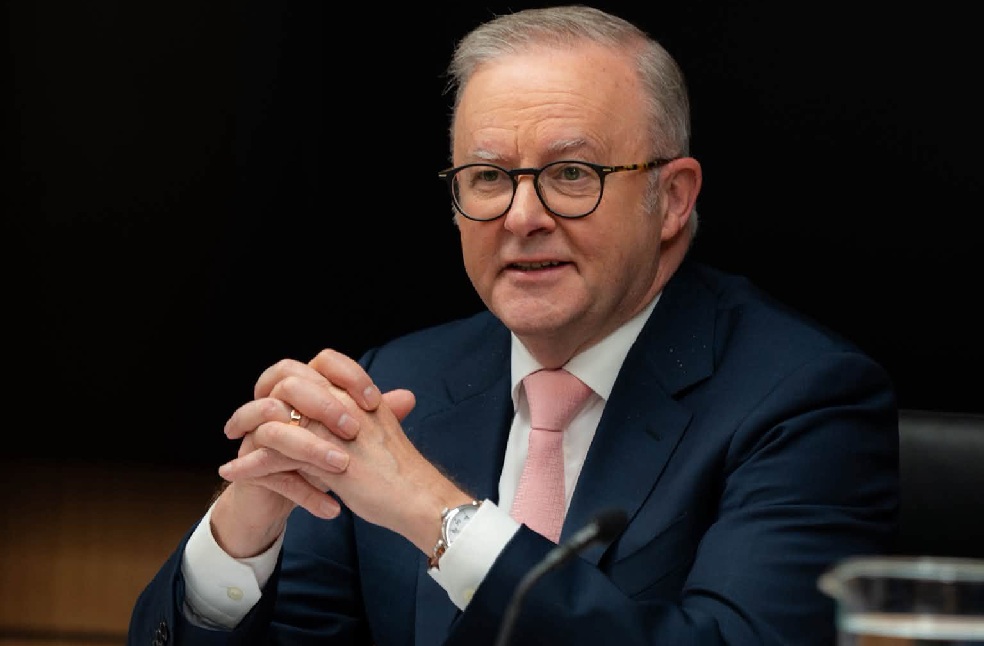
In July, Prime Minister Anthony Albanese promised stronger protections for Australian creatives. Albanese emphasised writers and musicians should retain control over whether and how their work is used to train AI systems and receive payment for such use.
ARIA added that the organisation does not intend to promote or celebrate music generated by AI without meaningful human artistry. The updated code also covers concerns about stream or chart manipulation.
If a release is later found to be largely AI-generated, ARIA may retrospectively change chart positions. In cases where a song reached No. 1, the organisation may also request the return of awards linked to the achievement. Artists and representatives will have the opportunity to challenge any exclusion.
The Australian approach follows wider international action on AI-generated music. A song created by AI was excluded from Sweden’s music charts earlier this year. In July, the International Federation of the Phonographic Industry (IFPI) noted that AI guidelines would be introduced for official charts in Latin America, the Middle East, Africa and Southeast Asia.
POPULAR | New Zealand proposes social media ban for children under 16
