


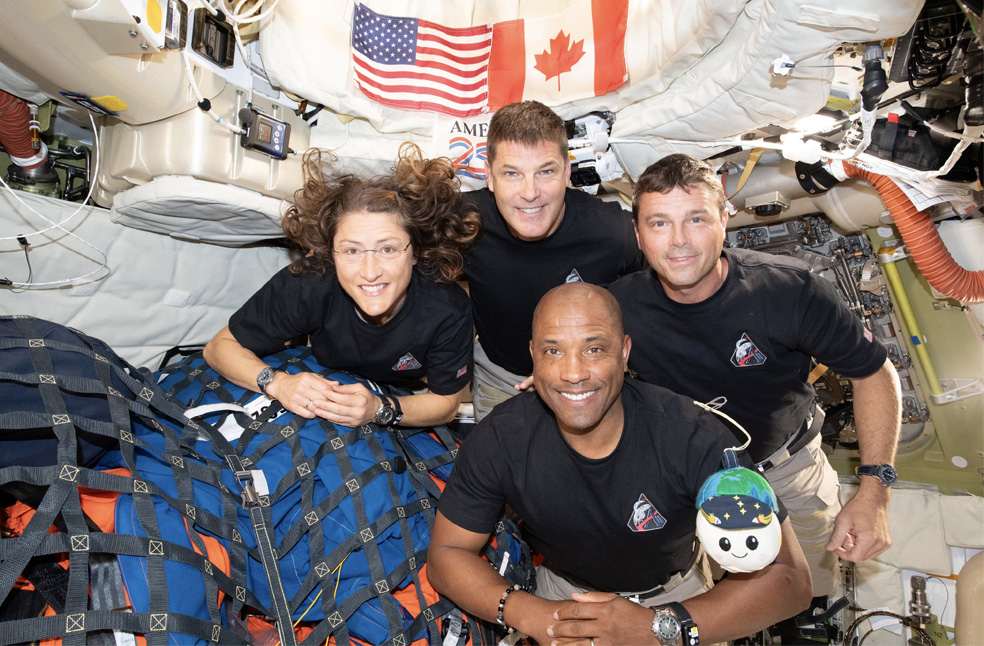
Houston: Astronauts aboard NASA’s Artemis II mission shared their emotions as they prepared to return to Earth after completing a historic journey around the Moon.
Speaking during their first press conference from space, the crew described the experience as they approached the final and most intense phase of the mission, re-entry into Earth’s atmosphere.
Traveling in the Orion spacecraft since their launch from Florida last week, the four astronauts are scheduled to splash down off the coast of Southern California on the evening of April 10. Earlier in the mission, they flew past the Moon’s far side, becoming the farthest-traveling humans in history.
There's a lot to process on Day 8 of the @NASAArtemis II mission. With Earth in view from Orion's windows, the astronauts are packing up and reflecting on their lunar journey. pic.twitter.com/iTFuMFxJPX
— NASA (@NASA) April 9, 2026
During re-entry, the spacecraft is expected to reach speeds of nearly 23,839 mph (38,365 km/h), subjecting Orion’s heat shield to extreme temperatures caused by atmospheric friction. Mission pilot Victor Glover said he has been thinking about this critical moment since being assigned to the mission in 2023, describing the experience of “riding a fireball through the atmosphere” as deeply profound.
The crew includes NASA astronauts Reid Wiseman, Christina Koch, and Canadian astronaut Jeremy Hansen. Together, they form part of the first crewed mission under NASA’s Artemis programme, which aims to return humans to the Moon and establish a sustained presence there, with long-term plans extending toward Mars exploration.
Koch compared the Artemis programme to a relay race, explaining that each mission builds on the previous one, with the crew symbolically carrying “batons” to pass on to future teams. The next mission, Artemis III, is expected to test docking procedures in low-Earth orbit involving the Orion capsule and lunar landers designed for future Moon landings.
Artemis IV in 2028
Meanwhile, Artemis IV, targeted for 2028, is planned to achieve the programme’s first crewed lunar landing since Apollo 17 in 1972.
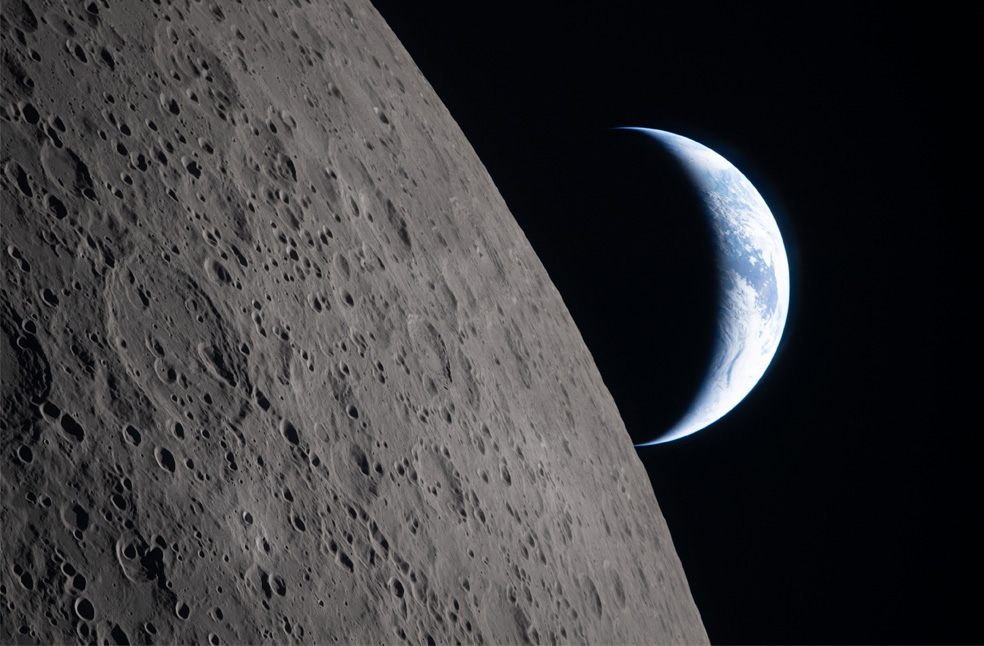
The Artemis II crew set a new distance record during their mission, traveling approximately 252,000 miles from Earth, about 4,000 miles farther than the previous record held by the Apollo 13 crew for more than five decades. Mission commander Wiseman shared that brief communications with their families were among the most emotional moments of the journey.
In a touching tribute, Hansen proposed naming a newly observed lunar crater after Wiseman’s late wife, Carroll, who passed away in 2020. The suggestion, made during a live communication with mission control, moved both the crew and the NASA staff on the ground.
Throughout the mission, scientists closely monitored the crew’s observations, with teams at NASA’s Houston-based mission control analysing real-time and recorded data. The astronauts’ six-hour flyby of the Moon provided rare, direct human observations from about 4,000 miles above the lunar surface, enabling valuable scientific discussions between space and Earth.
Experts consider Artemis II a crucial step in advancing lunar science and understanding the origins of the solar system. Koch previously described the Moon as a ‘witness plate’ that preserves vital clues about the early formation of planetary bodies.
ALSO READ | Artemis II crew heads home after historic lunar mission
