


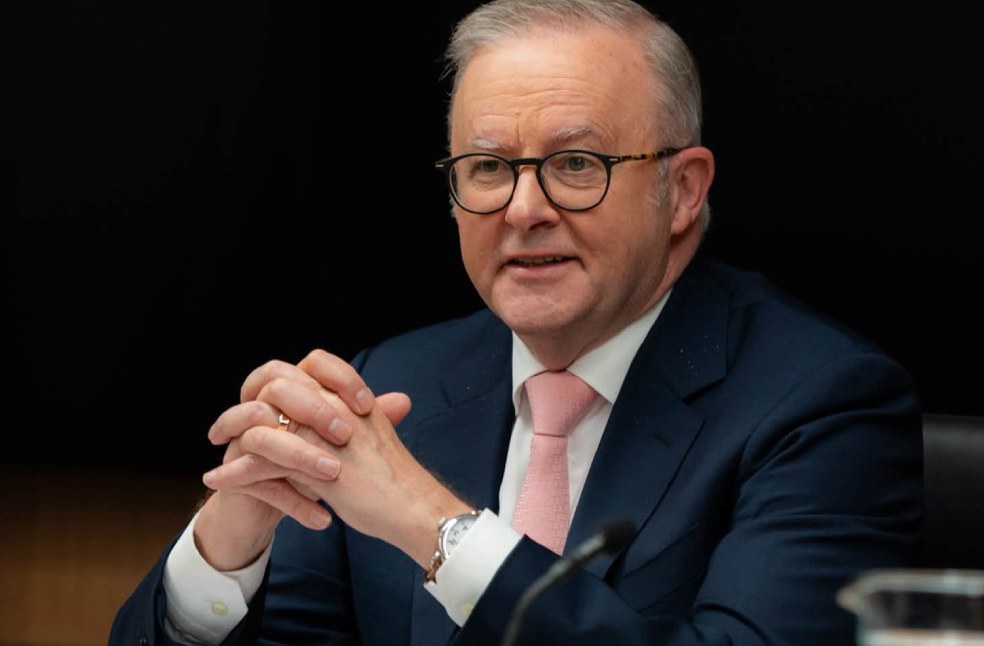
Canberra: Australian Prime Minister Anthony Albanese has ruled out significant funding cuts to healthcare, education, and essential public services in the upcoming mid-year budget update, despite mounting pressure on the government to reduce spending amid rising inflation and interest rates.
The Labour government is exploring potential savings ahead of the December budget review as Australia’s annual inflation rate climbed to 4.3 percent, raising expectations of another interest rate increase by the Reserve Bank of Australia (RBA).
Albanese acknowledged growing financial pressures on Australian households but emphasised that the government would not introduce sweeping reductions to critical public services. Albanese stated that, “We’re not looking at cutting funding for hospitals and schools and essential services because we’re a Labor Government that understand that people are under pressure.”
The Prime Minister also criticised the opposition Coalition for rejecting proposed savings measures, including changes to private health insurance rebates for Australians aged 65 and above.
The proposed rebate adjustments are expected to save approximately $3 billion over four years, with the funds intended to support aged care services. However, the proposal faces strong parliamentary opposition.
Rising inflation fuels interest rate concerns
Australia’s inflation rate reached 4.3 percent in October, intensifying concerns about another interest rate hike following four increases earlier this year. The RBA’s cash rate currently stands at 4.6 percent, its highest level in 15 years. A potential increase to 4.85 percent next week would push borrowing costs to their highest level in 18 years, placing additional strain on households and businesses.
Rising transportation, housing, and food expenses have contributed significantly to inflation. Transportation costs increased by 8.7 percent over the past year, while housing expenses rose by 5.2 percent and food prices climbed by 3.2 percent.
Australian Treasurer Jim Chalmers attributed the inflationary pressures partly to rising global fuel prices linked to the conflict involving the United States, Israel, and Iran. Chalmers also identified a faster-than-expected recovery in Australia’s private sector as another factor contributing to inflation.
Meanwhile, some Labour lawmakers have called for stronger government intervention to ease household expenses. Former Industry Minister Ed Husic has proposed introducing price caps on essential grocery products, including bread, milk, meat, and fresh produce.
Opposition leaders have continued criticising the government’s spending policies, arguing that excessive expenditure is contributing to inflation and increasing financial pressure on Australian families.
Shadow Treasurer Tim Wilson accused the Labour government of pursuing budget policies that were forcing households to pay more for everyday necessities.
With the mid-year budget update scheduled for December, the Albanese government faces the challenge of identifying meaningful savings while maintaining essential public services and addressing Australia’s worsening cost-of-living pressures.
MOST READ | UN experts raise alarm over French crackdown on student protests