


Jakarta: Indonesia’s wildfire haze continues to spread across parts of maritime Southeast Asia, affecting communities in Singapore and Malaysia and creating diplomatic tensions over the recurring environmental crisis.
Smoke from fires in Kalimantan, Papua and Sumatra travels across borders, exposing residents to toxic air pollution linked to respiratory illnesses and headaches. The prolonged episode puts neighbouring governments under pressure to address public concerns without damaging relations with Jakarta.
Indonesia faces seasonal wildfires every year. The fires are widely associated with large-scale land clearing for agricultural activities, including oil palm cultivation. This year’s blazes have proved particularly difficult to contain as a strong El Niño intensifies drought conditions across forests and peatlands.
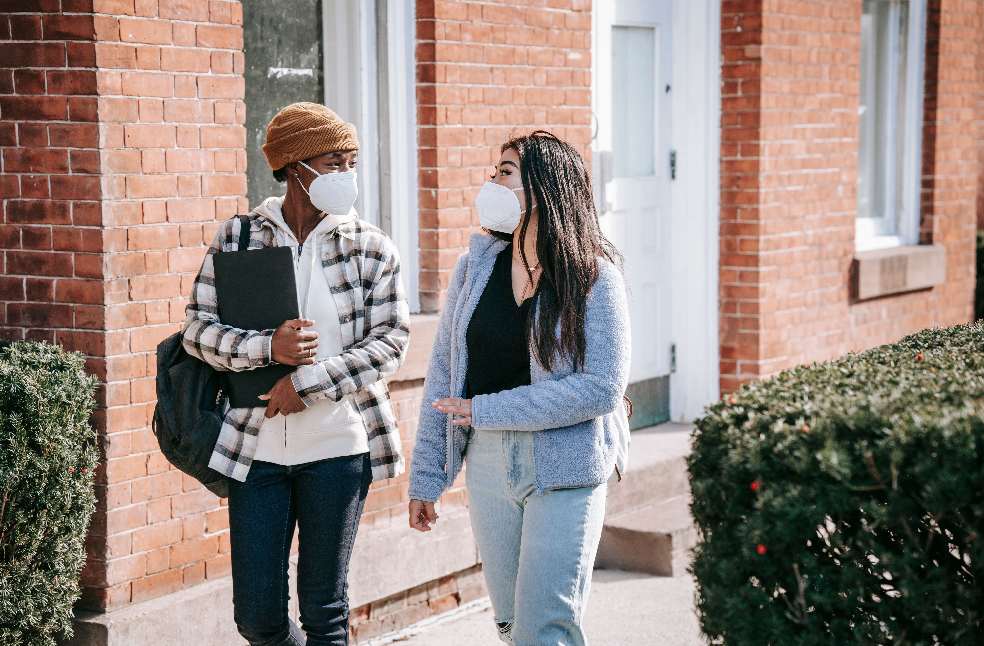
Singapore introduces several measures to protect residents. Hundreds of haze shelters now operate across the island, while authorities distribute masks to children, older people and other vulnerable groups. The government is also considering stronger haze legislation and investigating 10 Singapore-registered companies over possible links to the Indonesian fires.
Vivian Balakrishnan, Foreign Minister of Singapore met Indonesian President Prabowo Subianto in Jakarta last week. Both sides described the discussions as constructive and agreed to establish a joint task force to address the haze. The initiative signals an effort to ease tensions following weeks of strained exchanges.
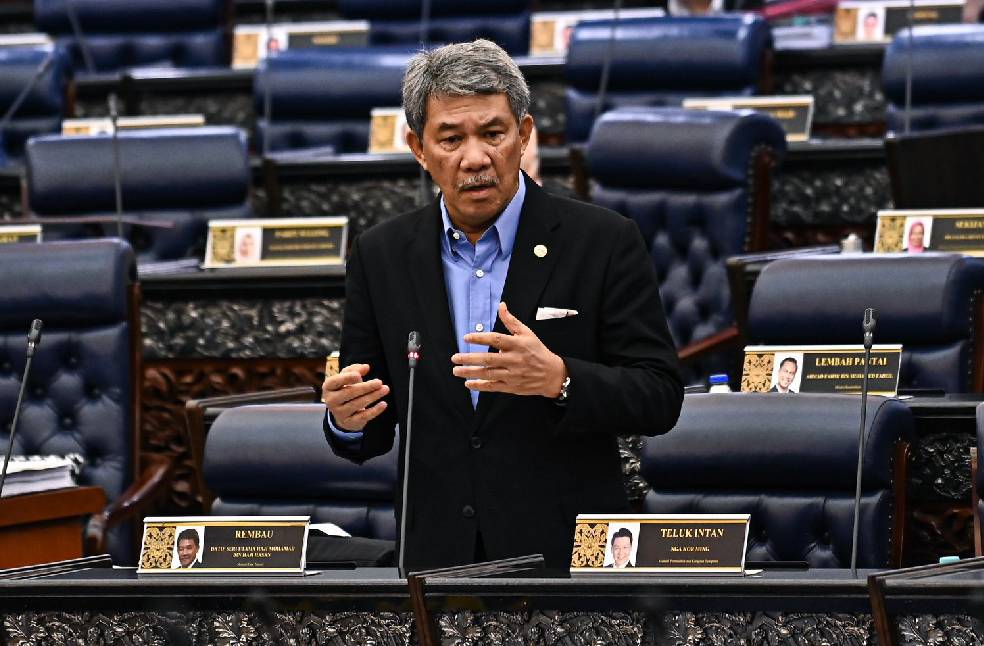
Mohamad Hasan, Foreign Minister of Malaysia ruled out filing a formal protest or pursuing legal action against Indonesia, warning that such steps could damage bilateral relations. Instead, Malaysia agreed to explore a memorandum of understanding with Indonesia to strengthen wildfire prevention efforts.
The dispute also affected energy relations. Indonesia announced plans to reduce gas exports to Singapore, citing domestic energy requirements. The decision followed warnings from Indonesian officials about supplying countries that do not respect Indonesia. Prabowo also referred to nations that criticise the country while discussing the wildfire issue.
Singapore remarked that the reduction would account for less than 2 percent of its total daily gas demand and would have little impact on supplies. Indonesia also faces electricity shortages in some areas, adding to the need to prioritise domestic energy requirements.
Both countries are also turning to regional cooperation through the Association of Southeast Asian Nations (ASEAN) and its 2003 Agreement on Transboundary Haze Pollution. However, critics consider the agreement weak because it cannot directly punish companies linked to fires or compel governments to enforce action against them.
ASEAN missed its original target of eliminating regional haze by 2020 and later set a new deadline for 2030. Malaysia’s position also faces complications because the country is a major palm oil producer, an industry frequently associated with commercial land-clearing practices.
ALSO READ | Nine killed in fiery Florida aircraft crash near Palm Beach