


Bhubaneswar/Kathmandu: Thousands of people have been evacuated from India’s eastern coast, while train services have been cancelled ahead of Cyclone Arnab’s expected landfall on October 28, with authorities warning of strong winds and heavy rainfall.
In neighbouring Nepal, officials have urged tourists to avoid high-altitude areas, warning that the cyclone could trigger intense rainfall, snowstorms and avalanches across the Himalayan region from the night of October 29, through October 31.
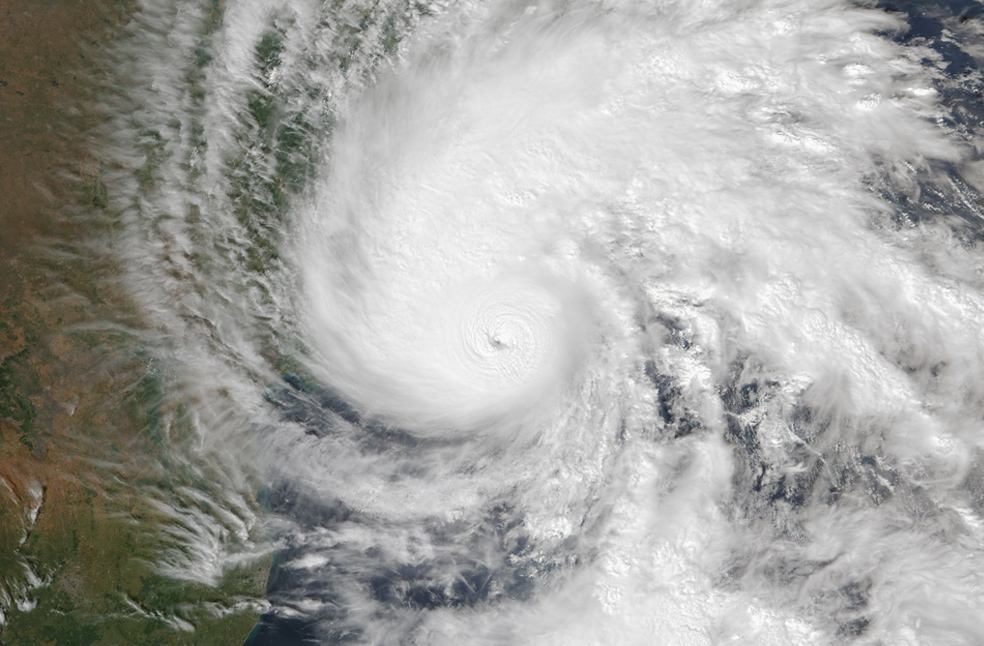
The warnings come as Nepal continues to recover from a devastating flash flood in August that killed around 1,500 people. Cyclone Arnab formed over the Bay of Bengal and intensified from October 26, according to India’s weather department.
Arnab is expected to make landfall in Andhra Pradesh by October 28 morning, bringing strong winds and heavy showers to parts of the state and neighbouring Odisha.
Prakhar Jain, Managing Director of the Andhra Pradesh State Disaster Management Authority, stated that, “Nearly 50,000 people had been relocated to shelters from vulnerable areas by October 26 night, out of an estimated 400,000 who may need evacuation. “Evacuation is continuing,” Jain added.
Odisha had not carried out any evacuations as of October 27, according to Rajesh Prabhakar Patil, the state’s special relief commissioner. However, authorities had ordered schools and colleges in five districts to remain closed on October 27, and October 28.
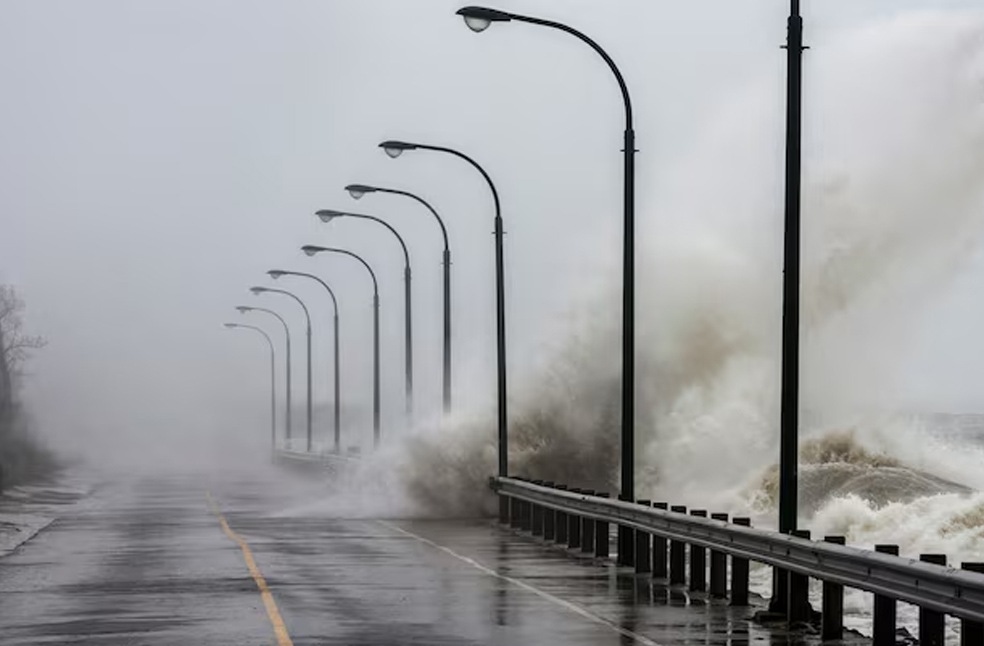
Television footage showed waves crashing onto deserted beaches, with shops closed along the affected coastline as residents prepared for the storm. Railway authorities also cancelled at least 12 trains in eastern India and suspended services on 53 routes along the southern coast for October 27, and October 28.
The Bay of Bengal is one of the world’s major tropical cyclone-forming regions, leaving India’s eastern coastline particularly exposed to severe weather and coastal hazards. As Cyclone Arnab approaches, authorities across India and Nepal remain on alert with evacuations and safety measures continuing to minimise risks to lives and infrastructure.
MOST READ | Australian court upholds prison ban on Vegemite spread