


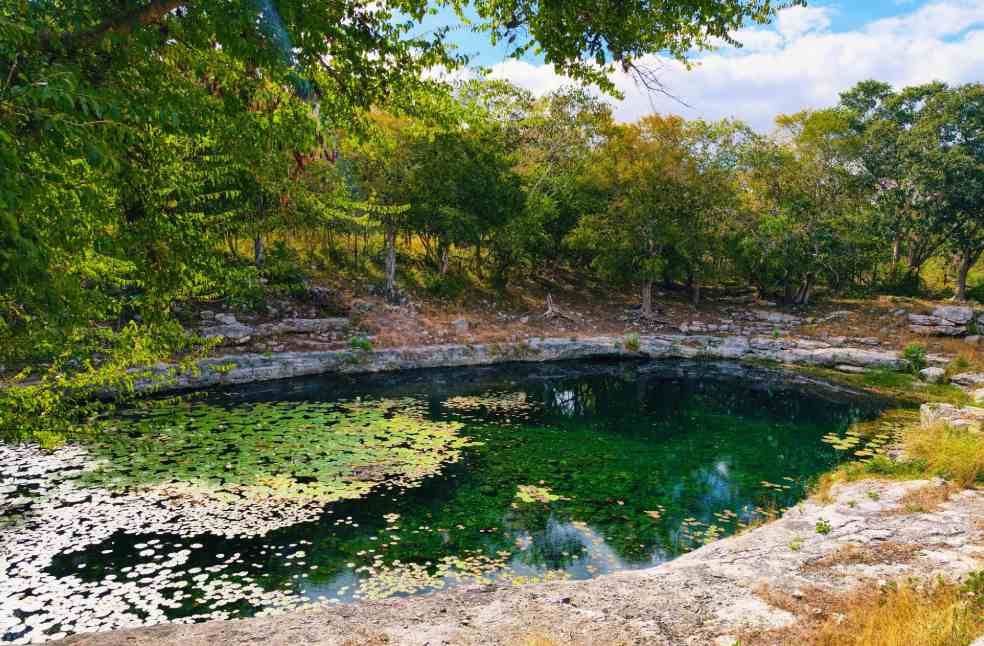
Mexico: Faecal bacteria have been detected in wells and natural sinkholes across Mexico’s Yucatan state, raising concerns about the safety of drinking water relied upon by local communities.
A report released by environmental organisation Greenpeace identified nearby industrial pig farms and municipal wastewater as potential sources of contamination.
The report described widespread organic pollution across the southeastern Mexican state, highlighting the risks posed to groundwater supplies. With no above-ground rivers, the Yucatan Peninsula depends heavily on underground water reserves for its freshwater needs. Its porous limestone bedrock also allows pollutants to seep rapidly into aquifers, increasing the vulnerability of drinking water sources.
Laboratory tests reveal widespread contamination
Greenpeace commissioned an independent laboratory to analyse water samples collected from 17 sites near Merida, the state capital, in August. The locations included household and agricultural wells, community water points and cenotes, natural sinkholes that are among the region’s distinctive geographical features and popular tourist attractions.
According to the findings, all 17 samples showed some level of contamination potentially associated with faecal waste. Total coliform bacteria reached the laboratory test’s upper detection limit in 16 samples, while faecal coliforms reached that limit in 13.
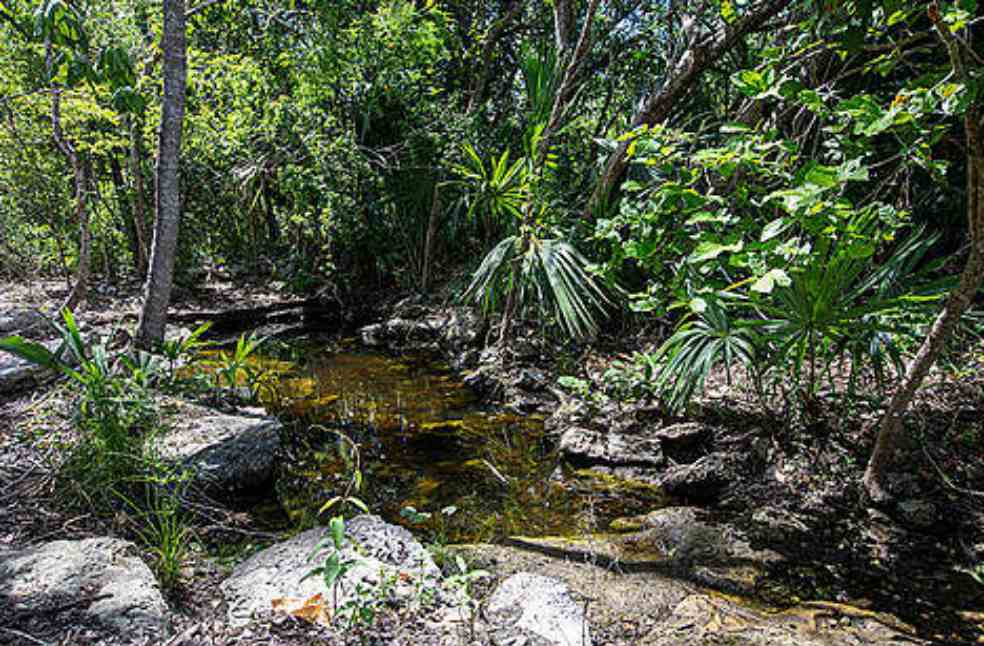
Although the results indicate significant contamination, the initial tests could not establish whether the faecal waste originated from humans or animals. Leaking septic tanks and municipal sewage systems were also identified as possible contributors.
However, Greenpeace reported that additional testing using Pig2Bac, a DNA-based method designed to identify pig faecal matter, detected evidence of pig waste in samples analysed by laboratories at Johns Hopkins University in the United States and Mexico’s National Autonomous University (UNAM).
The findings have intensified concerns about the environmental impact of nearby pig farming operations. Greenpeace has called for an immediate moratorium on new industrial livestock facilities and the expansion of existing farms across the Yucatan Peninsula.
Maya communities have also joined the organisation in urging environmental authorities to investigate the contamination and take appropriate action to protect local water resources.
Industrial pig farms under scrutiny
The report comes with growing scrutiny of industrial livestock farming in the region. A United Nations report published in July identified more than 500 industrial pig farms across Yucatan state, collectively housing over 50,000 animals. Many of these operations are located near the lands and territories of Indigenous communities.
Marcos Orellana, a former UN special rapporteur who authored the report, warned that waste and chemicals from industrial farms could quickly enter water sources used by communities for drinking, cooking and bathing. He also raised concerns about farms operating without the necessary permits and described regional government initiatives to address the problem as insufficient.
Orellana attributed much of the pollution affecting waters that have sustained Maya communities for generations to the expansion of industrial animal farming.
However, Antonio Zumarraga, vice president of the Yucatan Citizen Scientific Water Observatory, defended the local pork industry, stating that the sector had invested in water treatment and supported conservation initiatives. He instead criticised local authorities for failing to address the issue effectively.
The findings have renewed calls for stronger environmental oversight, improved wastewater management and measures to safeguard the groundwater resources essential to public health and the region’s Indigenous communities.
MOST READ | Revolut faces service outage as customers report payment issues