



London: UK inflation rose to 3.5 percent in September, above economist’s expectations, as higher oil and gas prices linked to the Middle East conflict drove up fuel costs ahead of John Healey, Chancellor’s first Budget.
The Office for National Statistics (ONS) noted that the annual inflation rate climbed from 3.1 percent in August. Economists had forecast a rise in the consumer prices index (CPI) to 3.4 percent. The latest figures point to stronger price pressures than expected.
Energy markets continue to face disruption following the outbreak of war involving the United States, Israel and Iran at the end of February. Oil and gas prices surges since the conflict began. The effective closure of the Strait of Hormuz to most fossil fuel traffic restricted supplies and pushed Brent crude above $100 a barrel (approximately £75).
Fuel costs also climbed across the UK. Petrol prices have exceeded £1.70 a litre (approximately $2.27), while diesel reaches a record high of more than £2 a litre (approximately $2.67) during October. The increases add to pressure on motorists and businesses that rely on road transport.
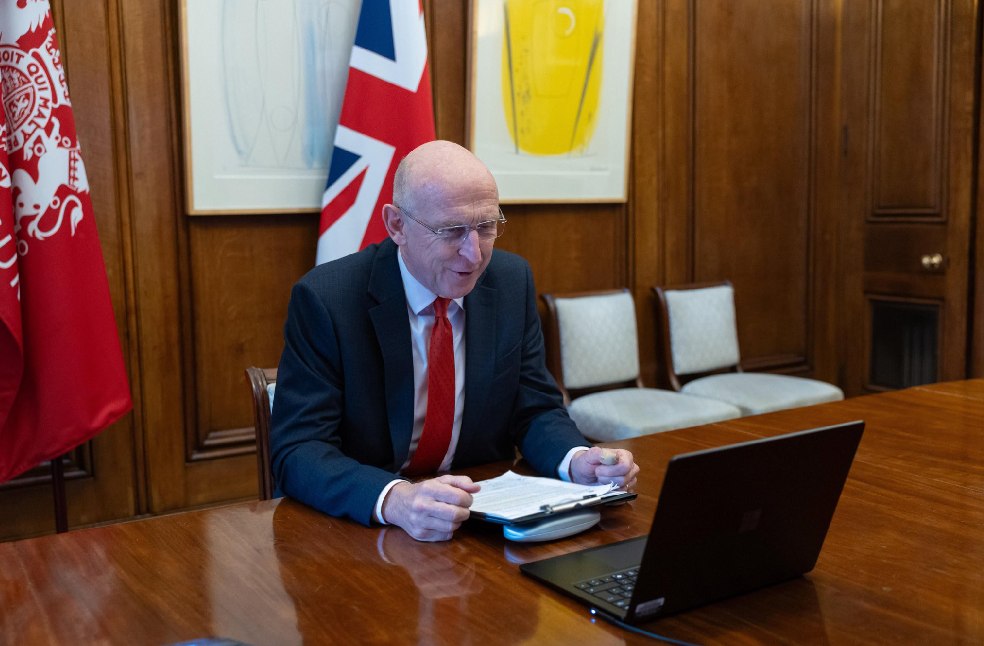
The inflation rise presents an additional challenge for Healey ahead of the government’s first Budget under the chancellor. Higher fuel and energy costs could increase household expenses and business operating costs, while pushing up prices for other goods and services.
The Bank of England is widely expected to raise interest rates at its meeting next month. Policymakers face growing concerns that inflation could exceed 4 percent next year if rising oil and gas prices continue to affect transport, domestic heating and other costs across the economy.
The Bank of England’s inflation target stands at 2 percent. A rise above 4 percent would take annual price growth to more than double that target. Higher transport and distribution expenses could also feed into consumer prices, making it more difficult to bring inflation under control.
The September figures add to uncertainty over the UK’s economic outlook as the government prepares its Budget and the central bank considers its next interest rate decision. The direction of global energy prices will remain a key factor in the inflation outlook over the coming months.
POPULAR | UK job vacancies decline sharply ahead of first Budget