


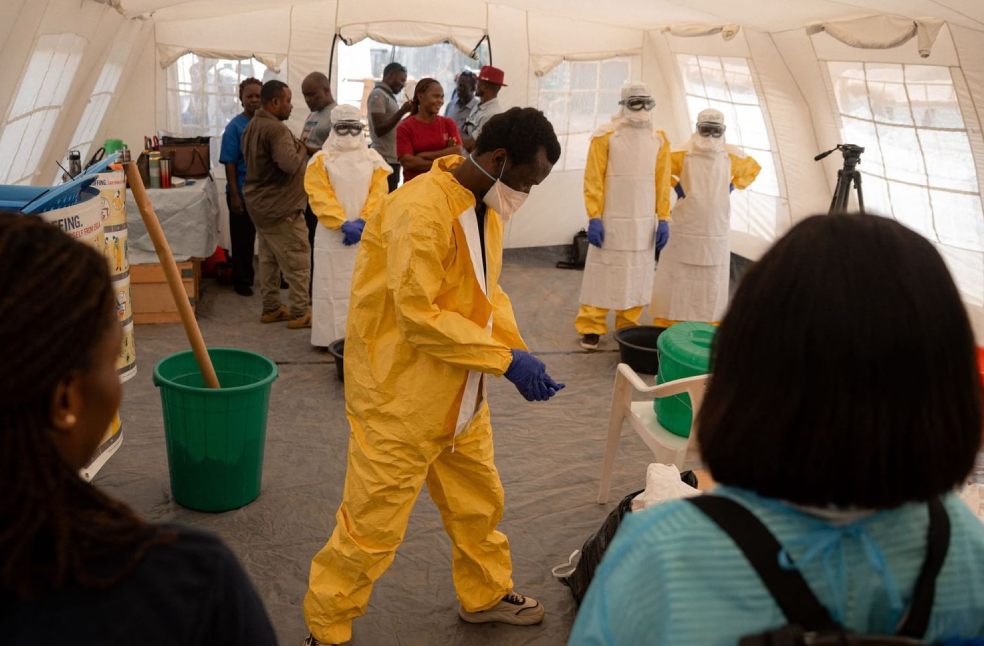
Nairobi: Kenya has confirmed a second Ebola case, involving a 39-year-old man who is a close relative of the country’s first patient and was already in quarantine when he developed symptoms, the health ministry said.
The new case was detected on October 13, nine days after the first patient died. The ministry said that early detection had improved the second patient’s chances of recovery and reduced the risk of further transmission.
“Both cases are linked, and there is no evidence of spread in the wider community,” the ministry stated, urging the public to remain calm but vigilant. It added that Kenya had not imposed restrictions on travel, trade or public gatherings.
The first patient, a 40-year-old Kenyan businessman, died on October 5 after contracting the virus. The patient had travelled from the Democratic Republic of Congo (DR Congo) through Uganda to Kenya and was admitted to a hospital in Nairobi, but the infection went undetected during the journey.
Health authorities identified 128 people who had been in contact with the first patient. By October 13, 113 had been traced, including 108 who were in quarantine in Kenya. Efforts to locate the remaining 15 contacts were continuing, the ministry said.
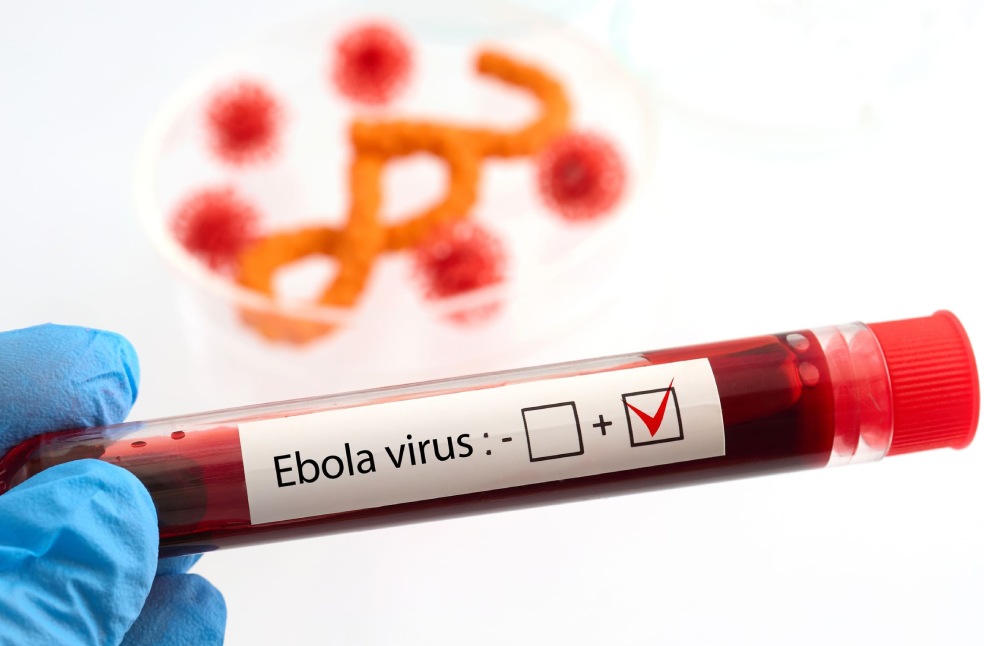
The case has highlighted the limitations of airport and border screening based on temperature checks and travellers’ declarations, as infected people may not show symptoms immediately.
Ebola has an incubation period of two to 21 days and spreads through direct contact with the blood or other bodily fluids of an infected person.
The current outbreak in DR Congo is caused by the Bundibugyo virus, a relatively rare species of Ebola for which no approved vaccine or specific treatment is currently available, although research and trials are under way.
As of October 13, DR Congo had reported more than 9,000 confirmed cases and 4,381 deaths in the outbreak, which began in May. Uganda, which also reported cases linked to the outbreak, was declared Ebola-free in August.
Kenya’s health ministry has urged anyone experiencing fever, unusual tiredness, muscle or joint pain, vomiting, diarrhoea or unexplained bleeding to seek medical care promptly.
RELATED POST | Kenya confirms first Ebola case, identifies 28 contacts
