


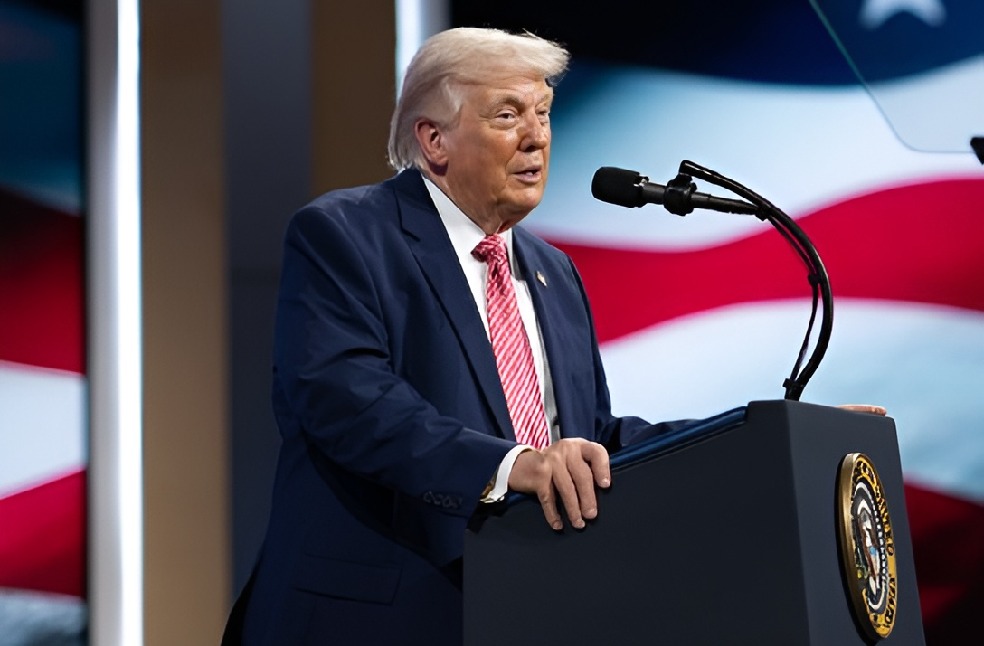
Washington: Donald Trump, the US President has announced a deal to import Russian diesel into the United States, drawing criticism from Volodymyr Zelensky, President of Ukrain, who warned that the arrangement could help finance Russia’s war against Ukraine.
Trump stated that Vladimir Putin, Russian President had agreed to release 300,000 tonnes of diesel immediately for the American and global markets. A further 500,000 tonnes are expected in November, followed by another 1 million tonnes. Trump also announced plans for an additional 3 million tonnes within a short period, subject to the condition of Russian refineries damaged by Ukrainian attacks.
The US Treasury is suspending sanctions on Russian diesel exports until April 7 under the arrangement. Other Russian assets, including funds held in American banks, remain frozen. The Treasury has issued a temporary licence permitting Russian diesel to enter the US market.
Putin confirmed discussions with Trump about the global energy situation and Russia was willing to supply oil and petroleum products to the US and international markets. However, Putin did not specify quantities in the statement. Russia had introduced a ban on diesel exports earlier this year.
The announcement comes as Trump faces pressure over rising American fuel prices linked to the war involving Iran, which began in February. Higher petrol and diesel costs have contributed to wider inflation and increased public dissatisfaction over household expenses.
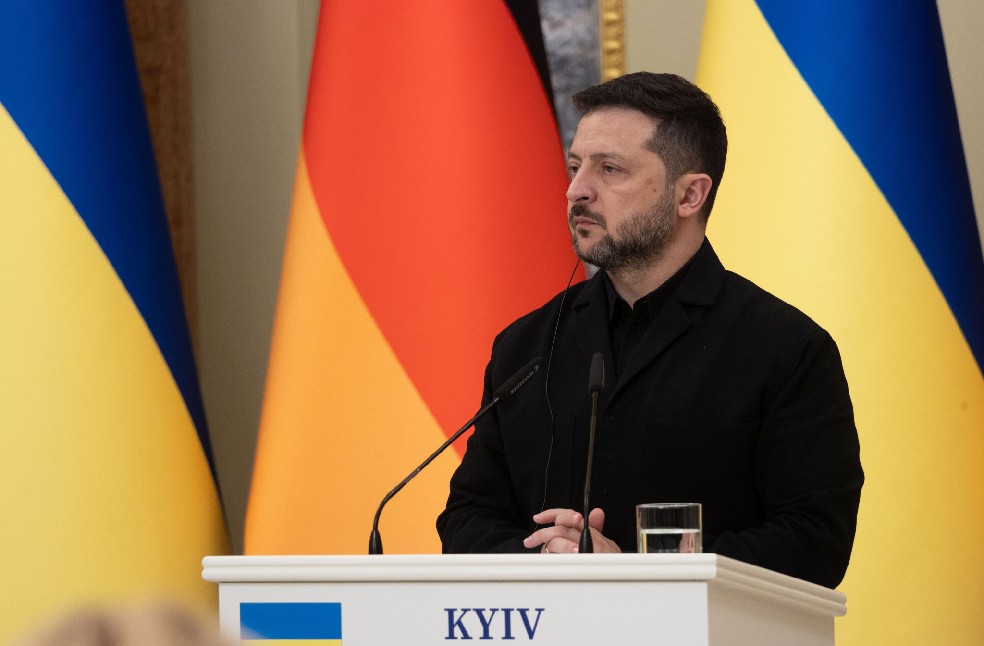
Zelensky criticised the deal, describing it as a benefit to Putin and arguing that the arrangement would support a war that should end rather than continue. Zelensky also urged Washington to maintain strong support for Ukraine’s defence and take a firm approach towards Moscow.
According to the American Automobile Association (AAA), the average US diesel price stands at $6.28 (£4.74) a gallon. The price has fallen from a record $6.53 (£4.93) recorded at the end of September.
Russia experiences 2 waves of severe fuel shortages this year following Ukrainian drone strikes on oil refineries. The International Energy Agency (IEA) estimates that Russian diesel production has fallen by nearly 30 percent.
The UK government also reiterated its commitment to maintaining strong sanctions against Russia. The government noted that Moscow could end the war and confirmed continued support for Ukraine alongside international partners seeking a lasting peace.
The diesel agreement adds another dimension to efforts to manage global energy prices while the conflict continues. It also raises questions about how Washington’s decision to permit Russian fuel imports will affect its relationship with Kyiv and its wider sanctions policy.
TRENDING | Eswatini king reaffirms strong diplomatic ties with Taiwan
