



Paris: G7 countries have agreed to release 100 million barrels of oil and diesel reserves through the International Energy Agency over four months in an effort to ease global fuel supply pressures and stabilize energy markets.
The coordinated release will begin immediately, according to a joint statement issued on October 2. The G7 stated that a substantial amount of diesel would be released during the first 20 days by member countries and partner nations.
The agreement follows growing pressure from the United States for European countries to release emergency diesel stocks as fuel prices have surged amid disruptions linked to the conflict involving Iran and tighter global supplies.
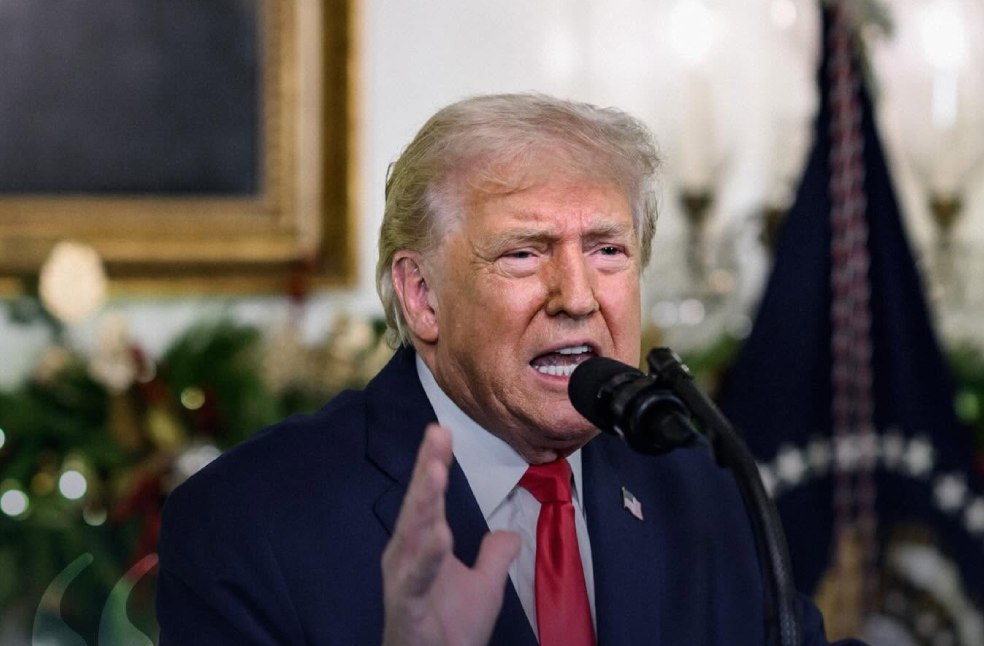
US President Donald Trump had threatened to restrict American diesel exports if European countries did not release more of their own reserves. Trump later stated that the United States would not proceed with an export ban, saying the measure was not really on the table.
The G7 includes the United States, United Kingdom, Canada, France, Germany, Italy and Japan, with the European Union also participating in its meetings. The group stated that its members would refrain from imposing energy export restrictions on one another and called on other producers to avoid measures that could further tighten global supplies.
The release will contain a combination of crude oil and refined products, including diesel. The precise contribution from individual countries has not yet been disclosed. Reuters reported that European governments had discussed a proposal involving 50 million barrels of diesel and 50 million barrels of crude oil.
French President Emmanuel Macron chaired the G7 discussions after speaking with Trump about the rising cost of fuel. Macron stated that the coordinated action would help reduce pressure on petroleum product prices, particularly diesel.
The announcement comes as diesel markets face severe supply constraints. Disruptions in the Middle East, reduced Russian exports and restrictions affecting Chinese fuel shipments have tightened supplies in international markets. The United States has become an increasingly important supplier to Europe as other sources have declined.
The United Kingdom is particularly dependent on imported diesel. More than half of the country’s diesel is imported, while a significant share of those imports comes from the United States. Rising diesel prices have placed additional pressure on households, transport companies and businesses.
Diesel is particularly important to the transport and agricultural sectors, meaning higher fuel costs can feed through into the prices of food and other essential goods. Unlike gasoline, diesel demand is also relatively difficult to reduce because of its heavy use in freight transportation and farming.
The G7 leaders also agreed to coordinate refinery maintenance schedules to prevent several major facilities from being taken offline simultaneously. Countries with sufficient capacity will also be encouraged to increase diesel refining.
The emergency release follows a much larger coordinated action earlier in 2026, when International Energy Agency members agreed to release 400 million barrels of oil and refined products in response to disruptions caused by the conflict in the Middle East.
Following the latest announcement, IEA Executive Director Fatih Birol stated that oil prices had begun falling and that the agency was prepared to consider additional releases if necessary to stabilize markets.
The G7 release is intended to provide additional supplies while governments continue to address longer-term disruptions affecting global oil and diesel markets.
RELATED POST | SpaceX crew led by Jessica Watkins sets US speed record
