



Australia: The Australia’s online safety regulator has found significant gaps in child protection measures across popular gaming platforms, raising concerns about young users being exposed to predators, sexual extortionists, and violent content.
Research shows that nine out of 10 children aged eight to 17 in Australia play online games. The eSafety Commission (eSafety) evaluated safety standards across Steam, Roblox, Fortnite, and Minecraft between October 2025 and March 2026. The evaluation highlighted inconsistent approaches to safety enforcement across these services.
The findings revealed that Valve Corporation (Valve), owner of Steam and Steam Chat, was the only provider that failed to use standard industry technology to detect and remove known harmful material. Valve did not proactively employ tools to detect child sexual exploitation or violent content in chats. Current systems on the platform mainly flag financial scams.
Roblox Corporation (Roblox) and Valve relied exclusively on internal datasets to train language detection systems. Neither company regularly retrained these models. Furthermore, Valve did not share industry expertise or participate in joint initiatives to combat child sexual exploitation and violent extremism.
Julie Inman Grant, eSafety Commissioner, stated that, “Australian children have a right to play online without being exposed to predators, sexual extortionists, violent extremist content or other harmful material.”
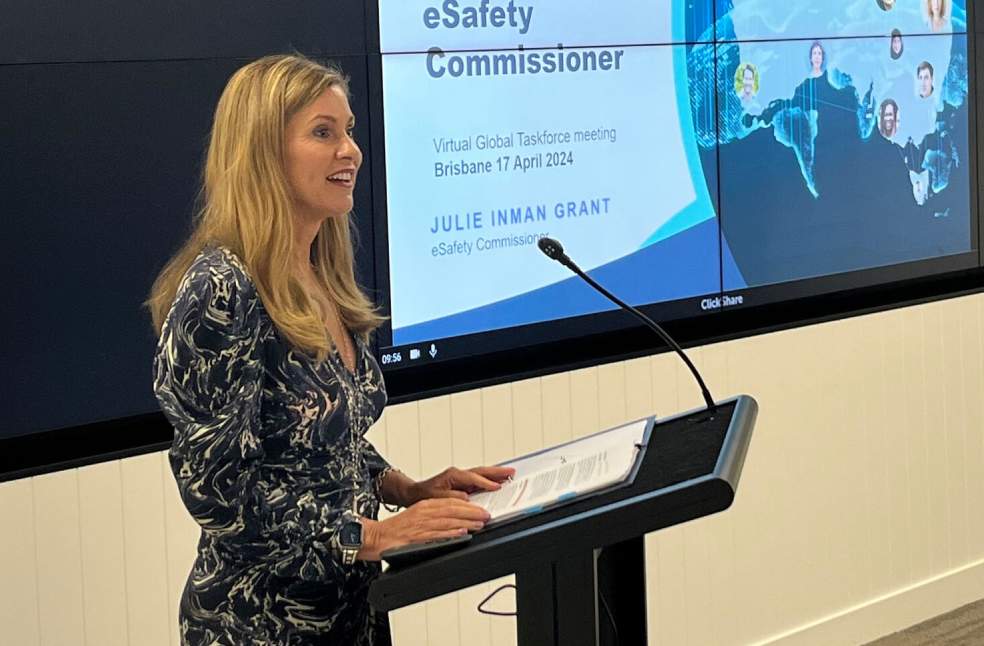
“We expect these services to lift their game to identify and combat serious harms such as child sexual exploitation, sexual extortion and material and activity which promotes, incites or instructs violence,” Inman Grant added.
Minecraft developer Mojang Studios (Mojang) and Roblox shared expertise in countering online abuse. However, Epic Games (Epic Games), creator of Fortnite, failed to report policy breaches to other platforms under a global initiative against online child exploitation.
Age verification weaknesses were also highlighted in the report. Minecraft and Fortnite allowed users to self-declare their age. This loophole enabled players claiming to be adults to access higher-risk communication features. Steam previously relied on self-declaration, but has introduced age checks using credit cards. Roblox also introduced stronger age verification procedures since December 2025.
In response, Roblox remarked that the company prioritises the safety of the Australian community, especially its youngest users. Other platforms were contacted for comment.
Australia previously implemented a global social media ban for children under 16 in December 2025. The legislation excluded gaming platforms. Australian authorities also pushed to allow users to opt out of social media algorithms.
MOST READ | India GST collections climb as domestic revenue strengthens
