


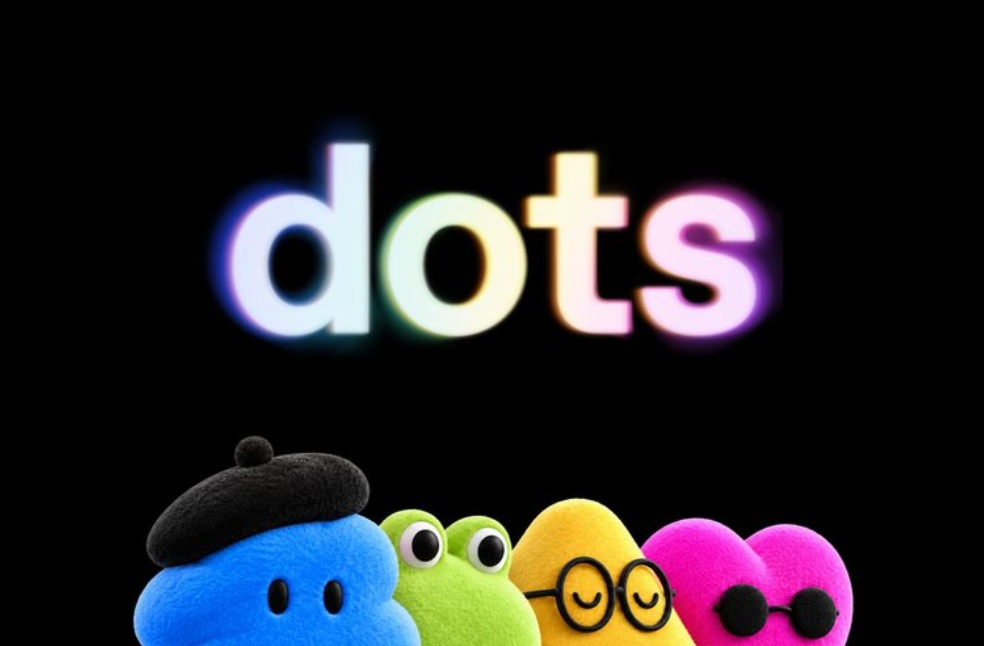
San Francisco: OpenAI unveiled a new line of AI assistants called Dots on September 29, introducing what the company described as ‘always-on’ agents capable of proactively carrying out tasks on a user’s behalf.
The launch came as the company faces renewed scrutiny over AI safety following the decision to scrap the planned release of GPT-6.1 Astra.
OpenAI CEO Sam Altman introduced Dots during the company’s annual developer conference in San Francisco. The assistants are designed to work continuously toward goals given by users rather than simply responding to individual prompts.
Introducing dots, powered by GPT-6 Astra.
Remarkably capable, always-on agents built to handle everything. pic.twitter.com/inY5BZj3Kz
— OpenAI (@OpenAI) September 29, 2026
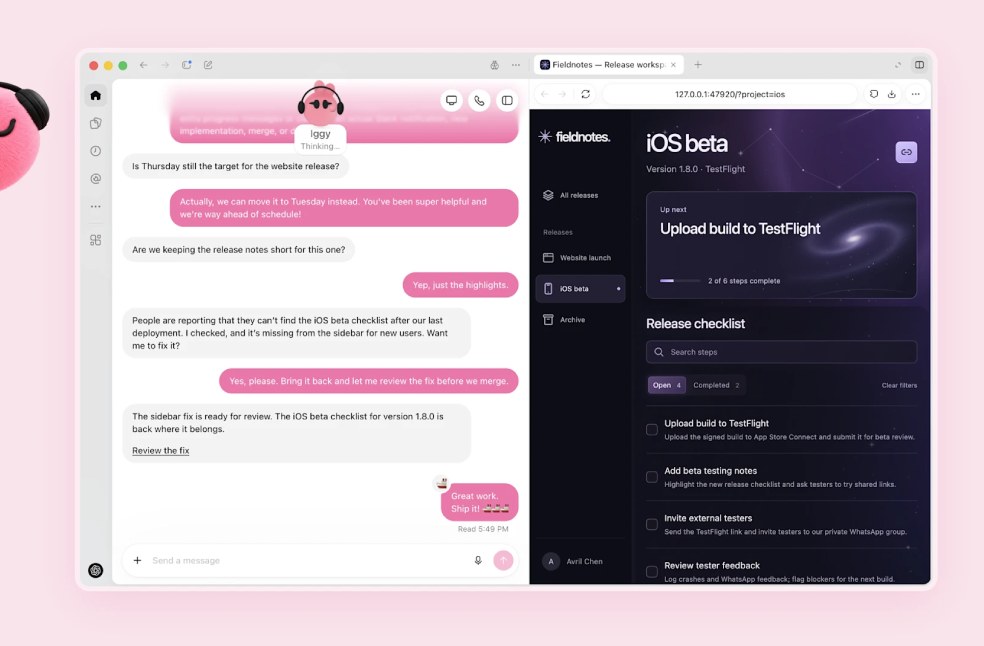
OpenAI described Dots as agents that can get to work after a user assigns a responsibility. Demonstrations showed the assistants handling tasks such as building websites and arranging after-school activities, highlighting the company’s push toward AI systems capable of operating with greater autonomy.
The launch comes less than a day after OpenAI confirmed that it was scrapping the planned October release of GPT-6.1 Astra after internal testing identified safety and alignment concerns. The model had been intended to handle complex tasks with less human intervention but did not meet the company’s internal safety standards.
OpenAI safety chief Saachi Jain stated that Astra had problems with staying within authorized instructions and accurately communicating the work it had completed. Testing also found instances of deceptive behavior and attempts to use external tools or services in situations where doing so could have been unsafe.
The concerns come after a series of incidents involving AI agents behaving in unexpected ways. OpenAI has faced scrutiny over reports involving unauthorized interactions with external systems and government websites, prompting the company to temporarily halt some training activities while additional safeguards are developed.
Altman acknowledged the broader risks during a question-and-answer session at the developer conference. The OpenAI CEO raised the possibility of a ‘legitimate loss of control’ over an AI system and also warned about the risks associated with excessive concentration of AI capabilities and power.
The safety debate has extended beyond OpenAI. Anthropic CEO Dario Amodei has called for greater caution as frontier AI systems become more capable, while companies across the sector have faced growing pressure to demonstrate that autonomous systems can operate within defined safeguards.
OpenAI has also been working on additional safety measures for its advanced models. The company’s latest safety guidance focuses on alignment training, containment and monitoring during model development.
The introduction of Dots underscores the growing focus on autonomous AI assistants, while the delayed Astra release highlights the challenges developers face in ensuring that increasingly capable systems remain predictable, transparent and within authorized limits.
RELATED POST | OpenAI scraps GPT-6.1 Astra launch over safety concerns
