


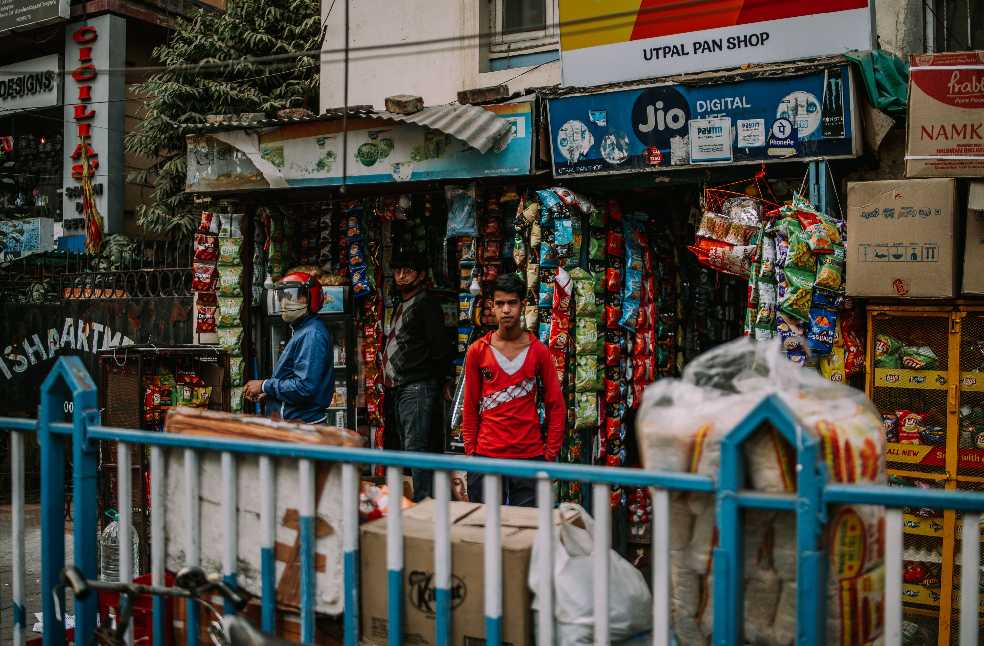
India: The food safety crackdown in India has intensified as regulators step up inspections of eateries and branded food businesses while plans for warning labels put pressure on the packaged food industry.
The country is a major growth market for global consumer companies including PepsiCo, Coca-Cola, Mondelez and Nestle. Thousands of smaller domestic businesses also sell traditional savouries and sweets. At the same time, concerns over food hygiene and adulteration remain widespread.
India’s food safety challenge is particularly large because of its population and the scale of food consumption. Food inspectors have tested more than 100,000 samples each year since 2020.
Government data shows that about one in five samples was found to be unsafe, substandard or improperly labelled. Nearly 8,000 food business licences have also been cancelled over the past three years.
The Food Safety and Standards Authority of India (FSSAI) stated that ensuring food safety across a country of 1.4 billion people and nearly 1.5 trillion meals each year remains a major task. Food safety concerns included poor hygiene at restaurants and cafes, while street-food stalls also faced scrutiny over sanitation standards.
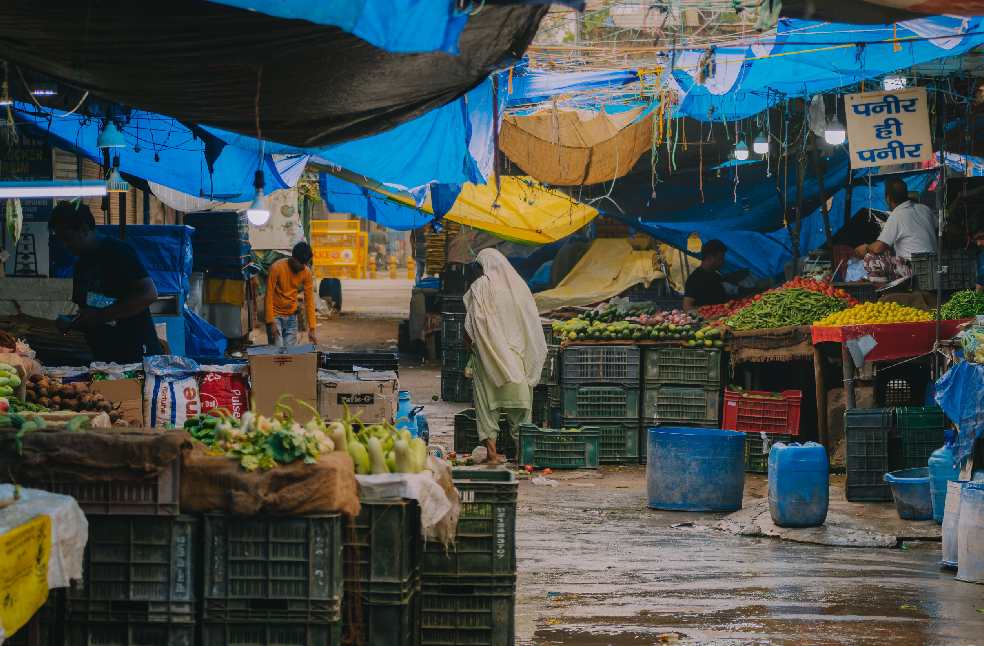
Regulatory action intensifies as the FSSAI and state authorities conduct more inspections. In one case in northern Uttar Pradesh, inspectors seized 1,300 kg (2,900 pounds) of adulterated cottage cheese, known as paneer. The product is widely consumed among India’s vegetarian population.
The FSSAI also taken action against liquor companies, including Diageo, over labelling issues. Energy drink manufacturers such as Red Bull have faced regulatory scrutiny over product promotion and labelling requirements.
Alongside inspections, India was considering stronger food labelling rules because of concerns over obesity, particularly among children. A Lancet study found that India had 180 million overweight or obese adults in 2021. The figure is projected to reach 450 million by 2050.
India debated front-of-pack warning labels for several years. The proposed system is intended to highlight high levels of sugar, salt and fat. The FSSAI recently proposed a red hexagonal warning mark for products containing high levels of at least 2 specified nutrients. Following protests from activists, the regulator tightened the proposal so a warning could be required when even 1 nutrient exceeds the threshold.
The proposed labelling changes faced opposition from parts of the food industry. Pressure for stronger disclosure also grown among health advocates and in a Supreme Court case seeking stricter requirements for packaged food.
MOST READ | India directs captive coal plants to maximise power output
