


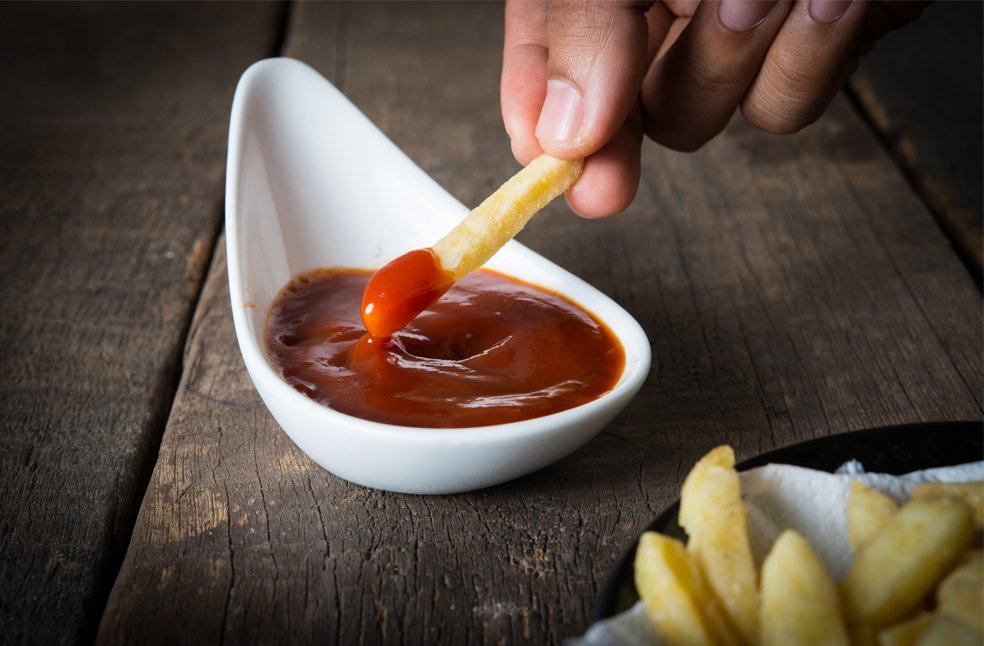
London: Double-dipping refers to eating part of a piece of food and then putting the same portion back into a shared dip. Common examples include biting into a carrot before dipping it into communal hummus or dipping a half-eaten tortilla chip back into salsa.
The concern is that bacteria from a person’s mouth can be transferred to the shared dip and potentially expose other people who eat from it. Prof John Tregoning, Author of Live Forever? A Curious Scientist’s Guide to Wellness, Ageing and Death, stated that bacteria can be transferred from food that has already been eaten back into the shared source.
The Professor pointed to a study that examined salsa, chocolate sauce and cheese dip and found that bacteria were transferred to all three types of dip. Salsa recorded the highest level of contamination.
Role of mouth bacteria
However, the presence of mouth bacteria in a shared dip does not necessarily mean that other people will become sick. Tregoning noted that he considers the health risk relatively low because people have their own established communities of mouth bacteria, which can generally help protect against bacteria introduced by someone else.
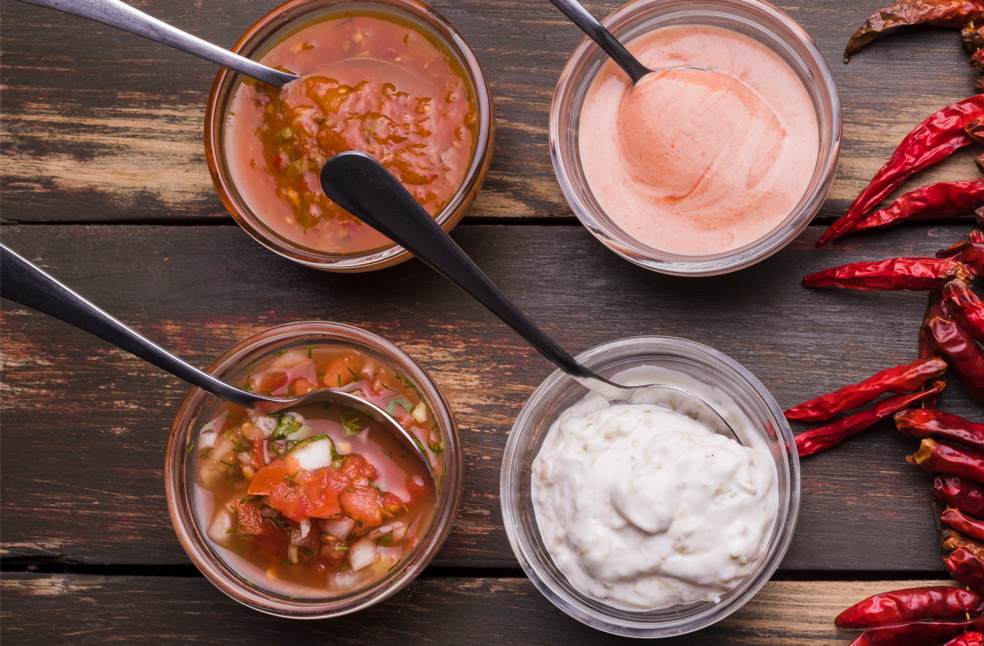
The risk could be higher for people who are severely immunocompromised or those who have recently taken antibiotics. Even in these cases, however, infections resulting specifically from double-dipping are likely to be rare.
According to Tregoning, greater attention should be given to bacteria that can be transferred through people’s hands. Studies involving shared foods such as popcorn have found evidence of some cross-contamination, with bacteria moving from fingers to food and then potentially into another person’s mouth.
The Author noted that while mouth bacteria are unlikely to cause illness in most circumstances, bacteria originating from faecal contamination can be much more concerning. Pathogens such as Salmonella and norovirus, which can cause diarrhoea and vomiting, can spread between people and foods, particularly when individuals fail to wash their hands before preparing or handling food.
This means that although double-dipping does introduce bacteria into communal food, it may not represent the biggest hygiene concern. Proper handwashing and safe food handling remain more important ways of reducing the spread of potentially harmful bacteria and viruses.
ALSO READ | Roblox users targeted by scams offering free Robux
