



London: Teenagers in England will be able to take new vocational GCSEs alongside traditional subjects such as English, Maths and Science under government plans aimed at strengthening technical education and addressing youth unemployment.
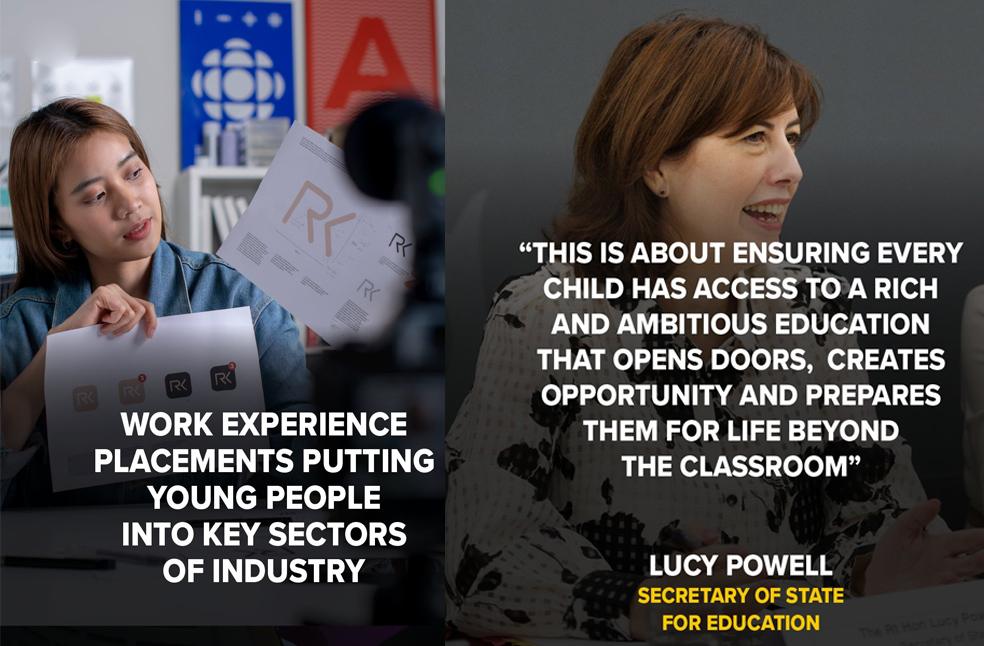
The new qualifications will be available to 14-year-olds in some subjects from September 2029. The government has also set a national target for employers to provide an additional 200,000 work experience opportunities for young people aged between 14 and 16.
The plans follow Prime Minister Andy Burnham’s pledge to place technical training on a similar footing to academic education. Burnham has previously said that the UK should value technical careers alongside university education and has repeatedly committed to tackling the number of young people not in education, employment or training, known as NEETs. The number of NEETs is believed to have surpassed one million.
We’re introducing new vocational GCSEs to give young people more options and the skills they need for the jobs of the future.
We’re also creating more opportunities for work experience in key sectors across industry, to give young people greater confidence about their first… pic.twitter.com/xOI1mLwt2I
— Department for Education (@educationgovuk) September 24, 2026
Burnham added that some young people had felt that school was not suited to them because they were not given opportunities to study vocational courses alongside traditional subjects.
The PM noted that the government was moving away from a one-size-fits-all education model and building a system that recognizes both academic and technical pathways.
Earlier this year, the government announced that new V-level qualifications would be introduced from 2027. The qualifications will sit alongside A-levels and T-levels as a third pathway for students aged 16 to 19.
New vocational GCSE qualifications
The new vocational GCSEs will be set nationally, with their assessment and grading regulated by Ofqual. They are eventually expected to replace existing Technical Awards.

The government will launch a consultation later this year to help shape the new qualifications. Potential subjects could include business management and finance, creative media production, building and construction, and child development, according to the Department for Education.
Education Secretary Lucy Powell remarked that the qualifications would give young people a stronger connection with the careers and industries contributing to the economy while helping students identify and develop their talents.
Powell stated that the reforms were not intended to create separate educational routes for different groups of children. Instead, she said the aim was to ensure every child could access a broad and ambitious education that creates opportunities and prepares them for life after school.
Concerns over implementation
The plans come despite earlier indications from exam board OCR that changes to vocational education may not be necessary.
Interim findings from a report chaired by former Education Secretary Charles Clarke found that educators, students and parents value the vocational qualifications currently available to 14- to 16-year-olds. However, the report also identified structural and reputational barriers that have limited their wider adoption.
Pepe Di’Iasio, General Secretary of the Association of School and College Leaders, described the government’s plans as “well-intentioned” but said the reforms alone would not address the obstacles preventing more young people from choosing vocational subjects.
Di’Iasio highlighted that the schools would need sufficient staffing and resources to deliver the new qualifications, alongside a campaign to increase public awareness of vocational and technical education routes.
The General Secretary warned that without broader measures, changing the qualifications could create additional disruption and workload for schools already under pressure without achieving the government’s objective of expanding vocational and technical pathways.
ALSO READ | CMA proposes new search choice rules for Google users
