


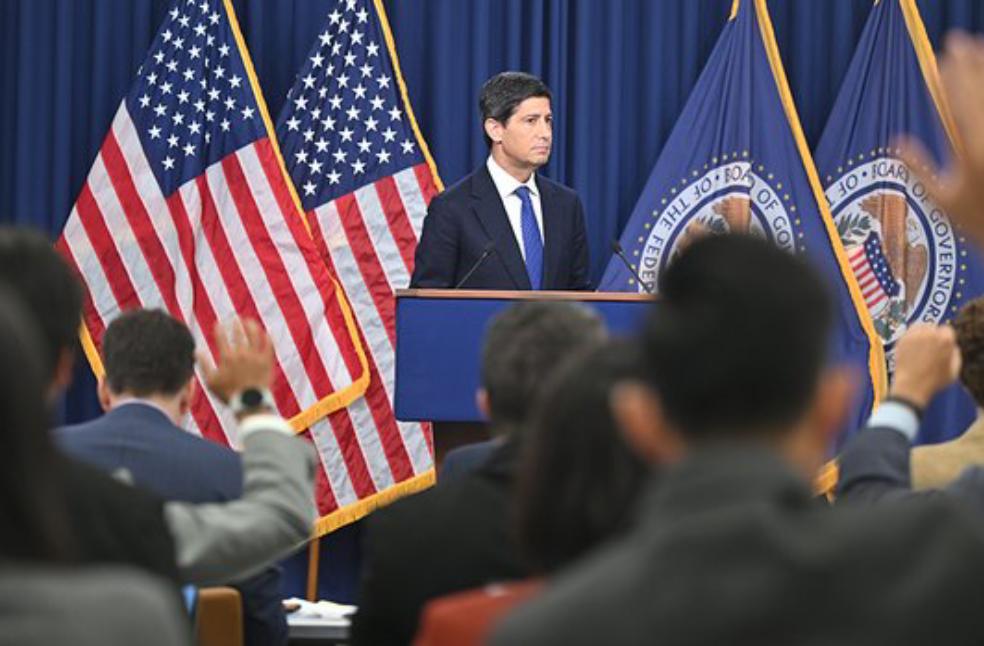
Washington: The US Federal Reserve has raised its benchmark interest rate for the first time since July 2023, increasing it by 25 basis points to a range of 3.75 percent to 4 percent as persistent inflation continues to weigh on the economy.
The decision was approved unanimously by the Federal Open Market Committee, with policymakers citing elevated inflation and the need to bring price growth back towards the Fed’s 2 percent target.
Fed Chair Kevin Warsh said inflation remained too high despite continued strength in economic activity, consumer spending and the labour market. Kevin Warsh described the rate increase as a responsible step towards restoring price stability.
The move comes despite repeated calls from US President Donald Trump for lower interest rates. Trump has argued that borrowing costs should be reduced, while continuing to express support for Warsh.
Higher interest rates generally make borrowing more expensive for consumers and businesses, affecting mortgages, credit cards, personal loans and other forms of credit. At the same time, savers can benefit from higher returns on some savings products.
Impact on US borrowers
The latest rate increase is expected to put additional pressure on borrowing costs. Major US banks, including JPMorgan, KeyCorp and BNY, raised their prime lending rates to 7 percent from 6.75 percent following the Fed’s decision, potentially increasing the cost of credit cards and personal loans.
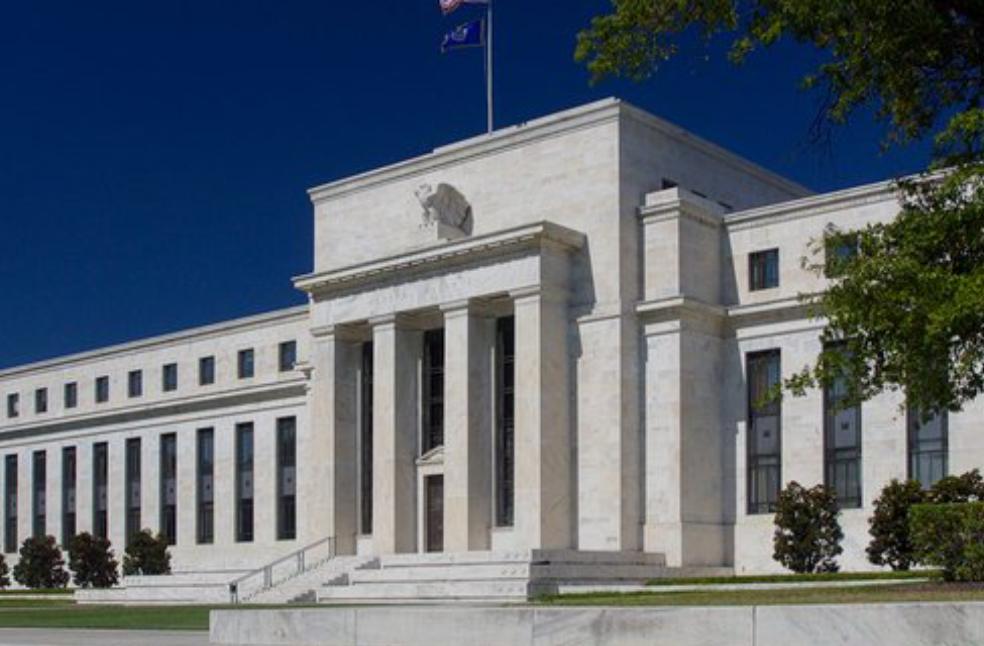
Mortgage rates are also already elevated. The average rate for a 30-year fixed mortgage stood at 6.76 percent, while the average 15-year fixed rate was 6.09 percent, according to Freddie Mac figures cited in the report.
However, many existing homeowners with fixed-rate mortgages will not see an immediate change in their monthly payments. The impact is more significant for people seeking new mortgages or refinancing existing loans.
Inflation remains a key concern
The Fed’s decision reflects continued concern over inflation, which has remained above the central bank’s 2 percent target for an extended period. Consumer prices increased 3.4 percent year-on-year in August, while energy costs have also risen amid geopolitical tensions and higher oil prices.
Warsh said the Federal Reserve cannot directly control individual prices such as oil or food, but monetary policy can help prevent temporary price increases from spreading more broadly across the economy.
The central bank is also balancing inflation risks against economic growth. Higher rates can discourage consumer spending and business investment, potentially slowing economic activity, while stronger rates can help ease broader price pressures.
More rate increases possible
Federal Reserve officials have signalled that another rate increase could come later this year as policymakers continue to assess inflation and economic conditions. The latest projections put the median federal funds rate at about 4.1 percent at the end of 2026, implying another quarter-point increase.
The Fed’s latest statement said economic activity was expanding at a solid pace, while job gains had kept pace with the workforce and unemployment had changed little. It added that productivity growth and capital investment remained strong.
The rate decision marks a significant shift in US monetary policy after a period in which markets and policymakers had been focused on the prospect of lower borrowing costs. The Fed will continue to monitor inflation, employment, economic growth and geopolitical developments before making further policy decisions.
MOST READ | OpenAI’s Sam Altman urges public to trust AI firms on safety
