


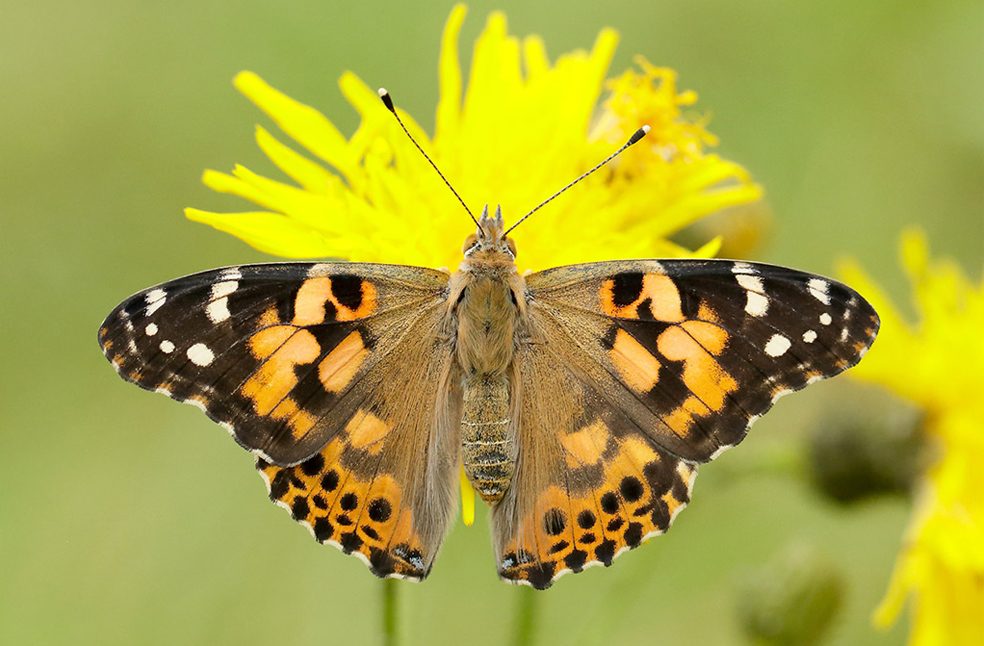
Britain: Record-breaking heat in 2026 has produced the second-best British butterfly season of the past 16 years, according to results from the Big Butterfly Count.
More than 100,000 volunteers took part in the world’s largest insect count, recording almost 1.4 million common butterflies and day-flying moths. The results confirmed the unusually high numbers of butterflies seen across Britain during a summer marked by five heatwaves.
Painted ladies were among the most numerous species. The migratory butterflies arrive in Britain each summer after several generations travel north from sub-Saharan Africa. Their numbers increased by 335 percent compared with last year, marking the second-highest count for the species since the survey began in 2010.
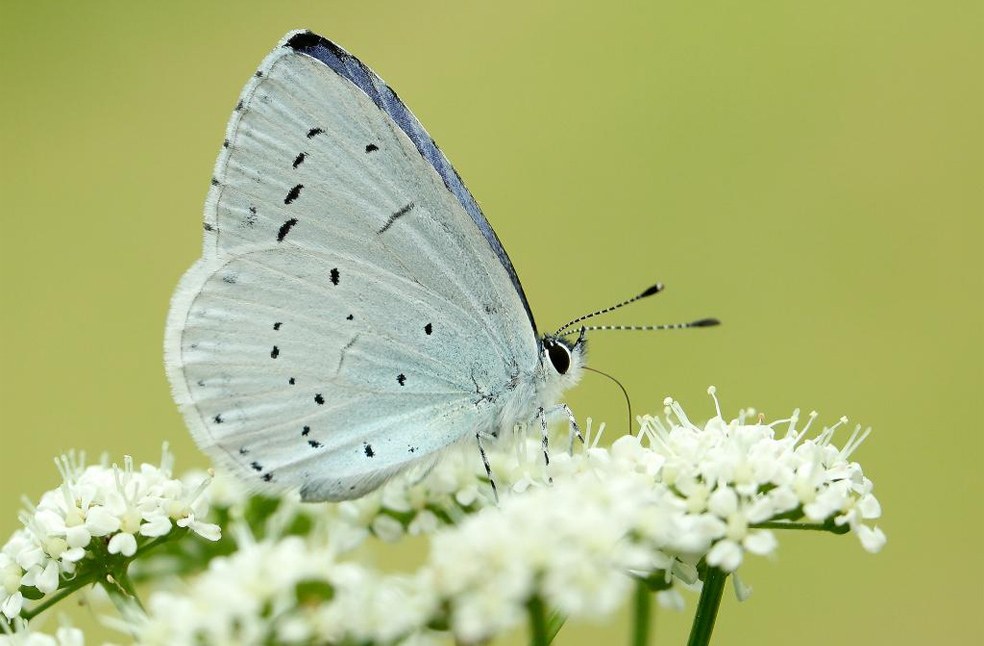
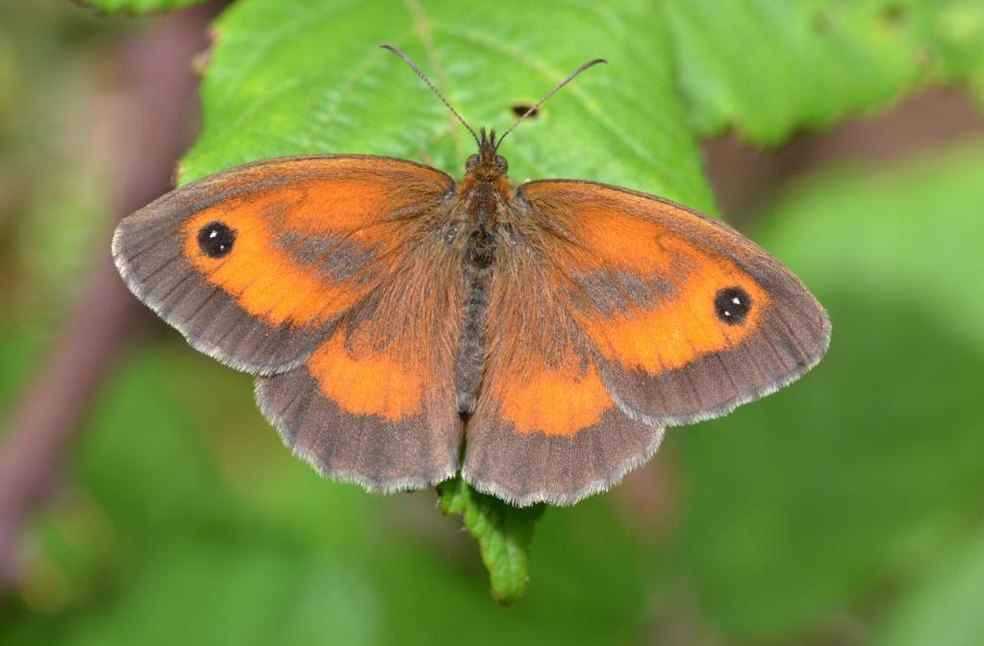
The holly blue and gatekeeper recorded their highest-ever results in the Big Butterfly Count, while the small copper had its third-best year. Overall, butterfly numbers were the highest recorded since summer 2019.
However, Butterfly Conservation has warned that the drought affecting many parts of Britain could lead to a sharp decline in butterfly populations next year. Caterpillars that would normally develop into adult butterflies in 2027 may have died as grasses, wildflowers and other plants dried out during the prolonged period of extreme heat and low rainfall.
Richard Fox, Head of science at Butterfly Conservation, said hot, sunny conditions benefit adult butterflies by supporting flying, feeding and breeding. However, he noted that favourable conditions for adult butterflies do not necessarily mean the wider population is doing well, as the survival of caterpillars and their food plants is more important for future numbers.
Similar population crashes followed exceptional butterfly seasons in 1976 and 1995, when drought was considered a major factor. More recent droughts in 2018 and 2022 did not produce a comparable decline, with experts noting that the effects of drought can vary depending on conditions before and during the summer.
Independent naturalist Matthew Oates, who has recorded butterfly seasons since 1964, said the conditions in 2026 differed from those in 1976. The 1976 drought followed a dry year, while 2026 came after a wet winter. Oates also reported good survival of some important grassland food plants in the Cotswolds and Wiltshire, although south-facing slopes were more affected.
Migratory species have continued to perform strongly, with clouded yellows still being seen across southern Britain in September and potentially record numbers of Queen of Spain fritillaries reported near coastal areas.
At the same time, several drought-sensitive species recorded weaker results. Speckled wood, green-veined white and ringlet numbers were below average in the latest count, with their numbers down by 44 percent, 54 percent and 39 percent respectively compared with 2011.
Butterfly Conservation noted that few species are likely to benefit from the combination of extreme heat and drought experienced across much of Britain this summer. Fox and Oates also said the country is entering unfamiliar territory as increasingly extreme weather affects native wildlife and flying insects.
Oates highlighted that the conditions experienced this year were outside his experience of the 62 summers he has documented through weather diaries and butterfly observations.
MOST READ | England and Wales allow digital ID for alcohol purchases
