



Belgium: Travellers entering the European Union could face renewed border queues as temporary flexibility measures for the bloc’s Entry/Exit System (EES) expire on September 6, although technical problems and uneven enforcement could mean that biometric checks are not immediately applied everywhere.
The European Commission has not extended the discretionary measures that allowed member states to temporarily ease or pause some EES controls when border congestion became severe. Airlines and travel groups had urged Brussels to extend the flexibility until the end of 2026, warning that stricter enforcement could again cause delays at busy airports and border crossings.
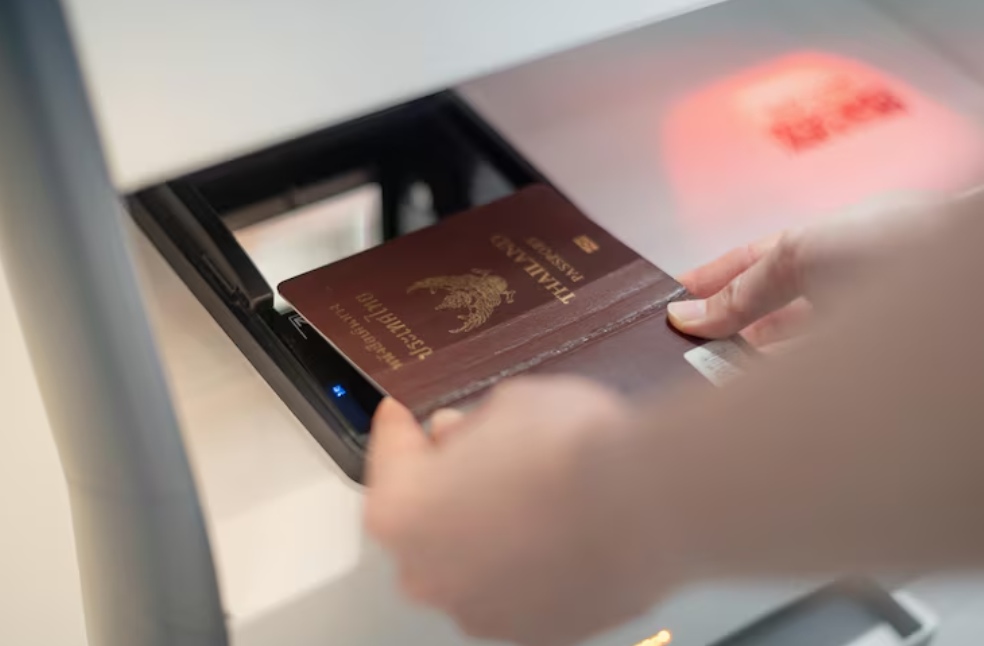
The EES is designed to digitally register non-EU travellers entering and leaving the Schengen area. The system records passport details, entry and exit information and biometric data, including fingerprints and facial images, replacing the traditional practice of stamping passports for many travellers.
The aviation and travel industry has raised concerns about the practical impact of the system. During the early summer, long queues were reported at some European airports, with delays in some cases causing passengers to miss flights and onward connections. Industry representatives said the situation later improved partly because authorities relaxed enforcement of biometric requirements.
However, the end of the flexibility period does not necessarily mean that every traveller will face full biometric checks immediately. France, for example, is still experiencing technical problems with software linked to the EES, according to sources familiar with the rollout.
Fingerprinting kiosks installed by Eurotunnel, the Port of Dover and Eurostar at London St Pancras have also not yet become fully operational. Dover said it was not expecting changes to its current arrangements, with car passengers not yet being subjected to EES checks.
Airlines are also watching how individual EU countries implement the system. A senior airline source said carriers did not expect full enforcement at the busiest European airports immediately, despite the formal end of the flexibility period.
Greece, one of the most popular destinations for British tourists, has also been cited as an example of uneven implementation. According to the airline source, border officials at some major tourist destinations appeared to have informally exempted UK passengers from certain EES checks in an effort to prevent excessive queues.
Luke Petherbridge, director of public affairs at UK travel industry body Abta, said the organisation continued to urge the European Commission to allow discretionary suspension of border checks beyond September.
The International Air Transport Association has also called for an extension, saying EES-related delays had already resulted in travellers missing flights and connections.
For British travellers, the impact of the latest phase is likely to depend on the airport, port or border crossing being used and how quickly individual EU countries move toward full implementation.
The EES rollout is intended to improve border management and strengthen the tracking of non-EU visitors across the Schengen area. But airlines and travel companies remain concerned that inconsistent implementation, technical problems and the additional time required for biometric enrolment could create disruption during busy travel periods.
ALSO READ | Nepal flood damage crosses $2.5 billion after deadly disaster
