


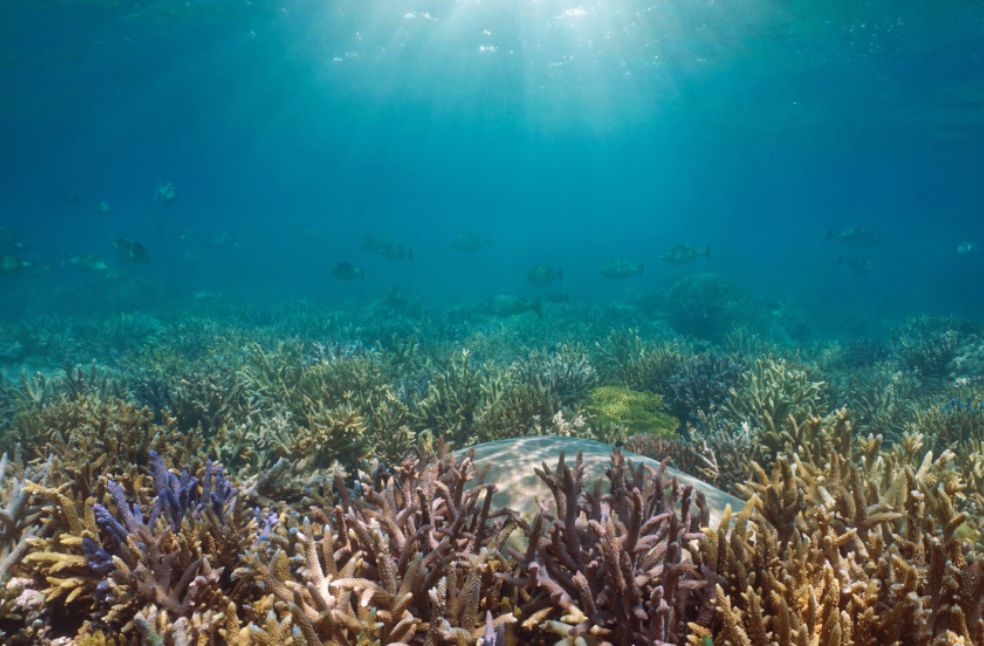
Australia: Coral reefs around the world are facing an increasing threat as bleaching events occur more frequently, leaving reefs with little time to recover between episodes, according to a new report by the Global Coral Reef Monitoring Network (GCRMN).
The report said global coral cover has fallen well below normal levels and could be heading towards an irreversible decline if current trends continue. Manuel Gonzalez Rivero, lead author of the report and a scientist at the Australian Institute of Marine Science, said corals have the ability to recover when given sufficient time. However, the increasing frequency of bleaching events is limiting that recovery period.
Gonzalez Rivero stated that, “Bleaching occurs when corals expel the colourful algae living in their tissues. Without the algae, corals become vulnerable to starvation and disease. Although bleached corals are not immediately dead, they require cooler water and adequate time to recover.”
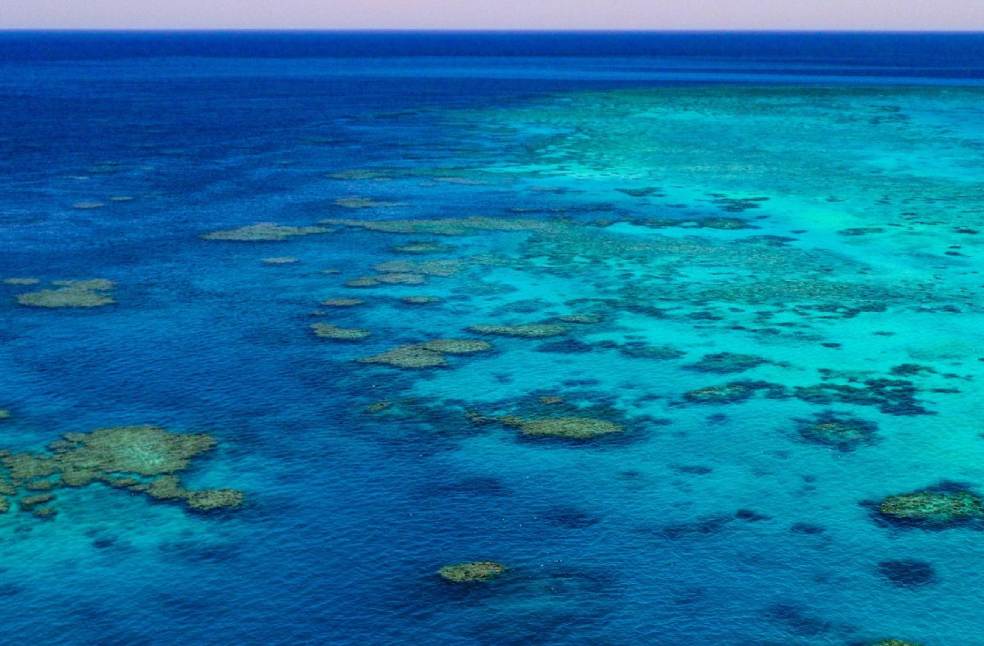
According to Rivero, global coral cover remained relatively stable for around four decades until about 2010. Since then, researchers have recorded a sharp decline. The latest major bleaching event in 2023 was the most extensive ever recorded, affecting around 77 percent of the world’s coral reef areas. With global temperatures remaining elevated, Rivero warned that another widespread bleaching event could be very likely this year.
Coral reefs play a vital role in maintaining ocean health and supporting marine ecosystems. Although they cover less than 1 percent of the ocean floor, they support more than 25 percent of marine life. The warning comes as Pacific leaders prepare for the annual Pacific Islands Forum, where climate change and ocean health remain key regional concerns.
Organizers said at least five leaders from the 18-member group are expected to miss the upcoming summit, raising concerns over regional cooperation at a time when Pacific nations face growing climate-related challenges.
POPULAR | At least 15 feared missing after flash flood hits Grand Canyon
