


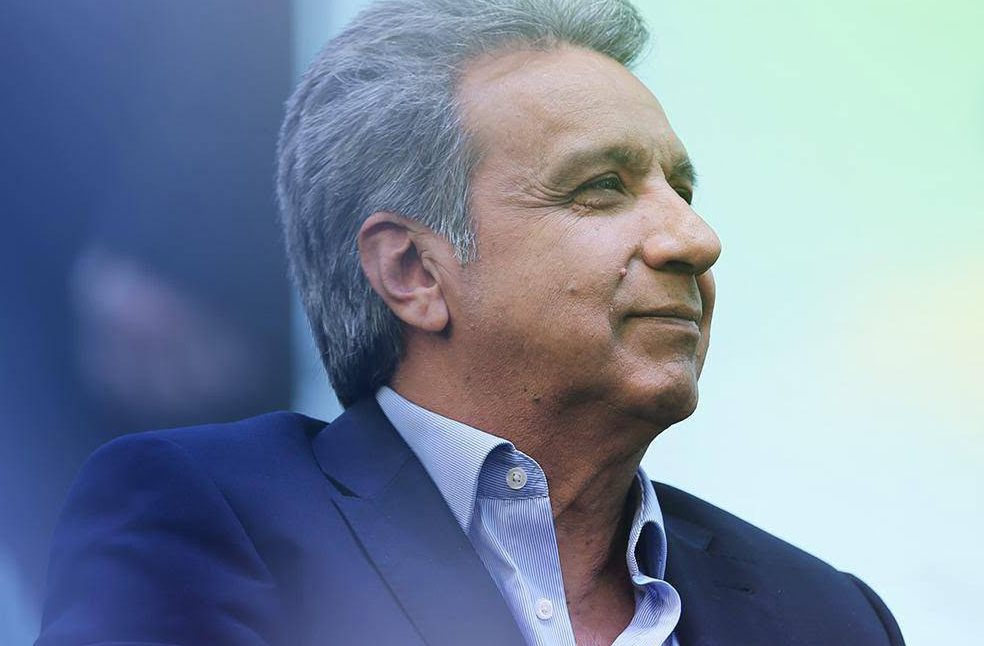
Ecuador: Former Ecuadorian President Lenín Moreno has been sentenced to five years in prison after a court in Quito found him guilty of corruption in a bribery case involving a Chinese state-owned company.
Moreno, 73, who served as Ecuador’s president from 2017 to 2021, has denied receiving money from Sinohydro, the Chinese company involved in the construction of the Coca Codo Sinclair hydroelectric project. Due to his age and disability, he will serve his sentence under house arrest.
The court found Moreno and 19 other defendants guilty in connection with a bribery scheme surrounding the major hydroelectric project. Moreno has indicated that he plans to appeal the verdict.
Prosecutors alleged that Sinohydro paid about $76.1 million through shell companies to individuals involved in securing the contract to build the Coca Codo Sinclair dam. Among those sentenced were Moreno’s wife, daughter and brother, along with former plant managers, Sinohydro representatives and a Chinese ambassador to Ecuador.
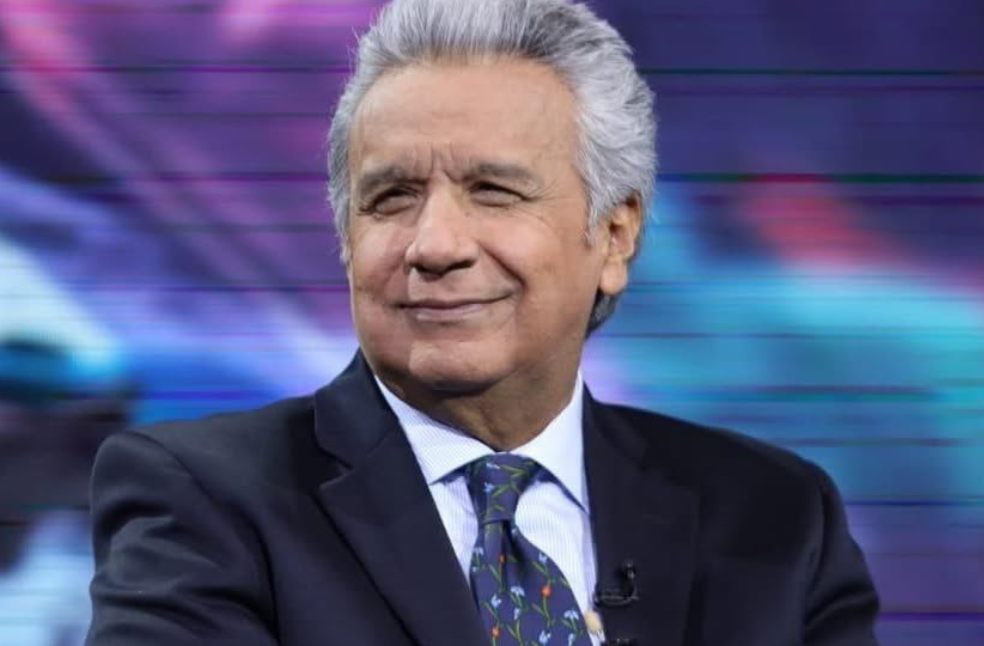
Although prosecutors alleged that Moreno personally received only a small amount from the scheme, they said members of his family received tens of thousands of dollars. Those convicted of bribery have been ordered to repay three times the amounts they received, while Moreno has also been barred from holding public office.
Moreno rejected the allegations and blamed former President Rafael Correa, under whom he served as vice-president. Correa was separately sentenced to eight years in prison in 2020 in another corruption case.
Moreno argued that Correa had approved the Coca Codo Sinclair project and said he ordered an investigation into problems with the facility after becoming president.
The hydroelectric dam has faced technical problems, including cracks and other failures. Ecuador began legal proceedings against Sinohydro in 2021, and the company’s owner agreed to a $400 million settlement with the government earlier this year.
Moreno’s conviction makes him the third former president of Ecuador to be sentenced for corruption, adding another chapter to the country’s long-running political and legal battles over alleged bribery and misuse of public funds.
MOST READ | Ebola Outbreak: DRC begins vaccinating frontline workers
