


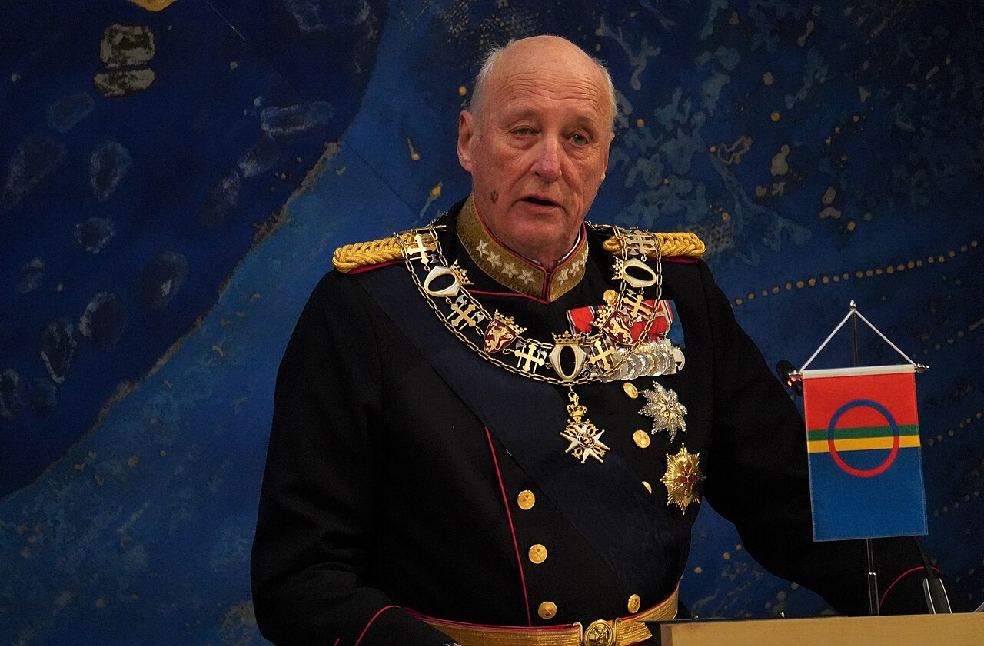
Oslo: Norway’s King Harald V has died at the age of 89 after 35 years on the throne, leaving his son Haakon to succeed him.
The Norwegian royal palace stated that the king died peacefully at 06:35 local time on August 28 at the national hospital in Oslo. King Harald had been admitted for treatment for haemolytic anaemia, a rare blood condition that reduces the number of red blood cells in the body.
The royal flag at the palace was lowered to half-mast as members of the royal family and members of the public gathered to pay their respects. In the 24 hours before the king’s death, relatives visited the hospital while crowds left flowers outside the palace.
View this post on Instagram
Harald was Norway’s first king born in the country since the 14th century. Crown Prince Haakon, 53, has succeeded to the throne and was due to hold an extraordinary council of state with the government. After 35 years as monarch, King Harald became one of Norway’s most popular public figures.
King Harald also served as a unifying figure during difficult periods in Norway. Following the 2011 bomb and gun attacks in Oslo and on Utøya, the monarch urged Norwegians to support one another and resist fear.
Born on February 21, 1937, Harald spent part of his childhood away from Norway during the Nazi invasion in World War II. The royal family later returned after the war. Harald became crown prince in 1957 and studied social science, history and economics at Balliol College, Oxford, from 1960 to 1962.
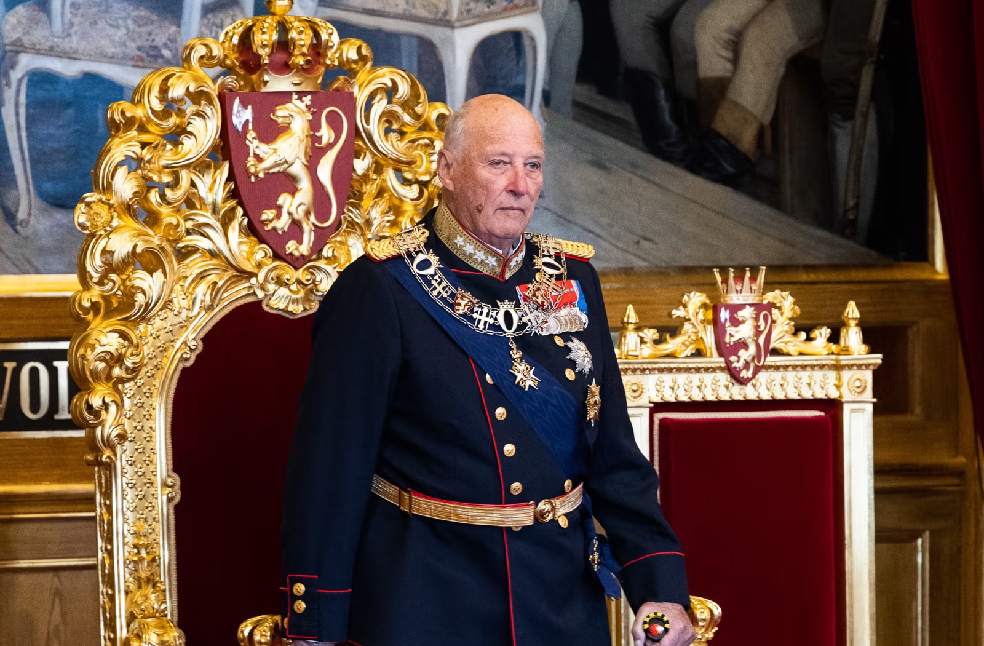
King Harald broke with royal tradition by marrying Sonja Haraldsen, a commoner, in 1968 after waiting 9 years for approval from King Olav. The marriage was later seen as an important step towards a more modern Norwegian monarchy.
The king gradually reduced public engagements as health concerns increased and permanently scaled back duties in April 2024. King Harald is survived by Queen Sonja, Princess Märtha Louise, King Haakon and 6 grandchildren.
King Harald’s death brings an end to a reign defined by change, public service and a close connection with the Norwegian people. As King Haakon begins a new chapter for the monarchy, Norway now turns its attention to honouring a monarch remembered as a steady and widely respected national figure.
MOST READ | Oil prices fall as Middle East supply fears continue to ease
