


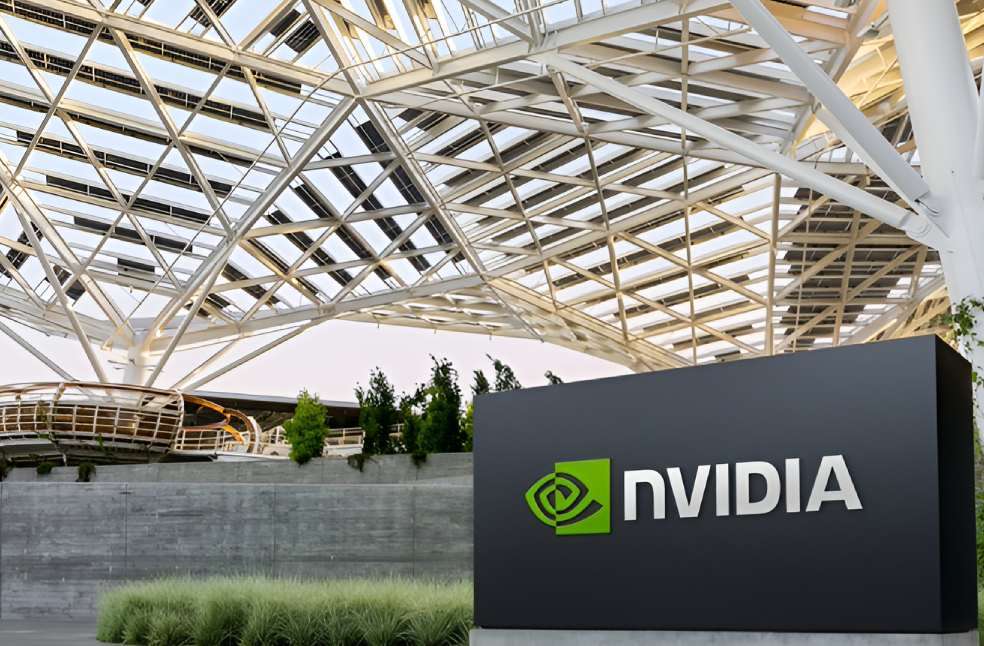
California: Nvidia has reported another major jump in revenue as demand for artificial intelligence infrastructure continues to accelerate worldwide.
Nvidia generated $96 billion in revenue in the second quarter, more than double the amount recorded during the same period a year earlier, as technology companies continue to invest heavily in AI systems. The chipmaker also expects revenue to reach $108 billion in the next quarter, indicating that demand for its processors and data center technology remains strong.
Nvidia CEO Jensen Huang said AI had reached an ‘inflection point’ and described the global infrastructure buildout as operating at full speed. The results exceeded Wall Street expectations and sent Nvidia shares 4.7 percent higher in after-hours trading, reflecting investor confidence in the company’s continued growth.
Nvidia’s data center division was the biggest contributor to the quarterly performance, generating $89 billion in revenue, an increase of 117 percent from a year earlier. The figures underline the extent to which the AI industry has become dependent on Nvidia’s advanced computing hardware.
Major technology companies including Amazon, Meta, Google and Microsoft use Nvidia chips to develop and operate AI systems. The company’s processors are widely used in data centers that train and run large AI models.
Nvidia’s rapid growth has transformed its position in the technology industry. The company is now the world’s most valuable firm, with a market capitalization of more than $5 trillion, driven largely by expectations surrounding continued AI investment.

The company has also expanded its role in the AI industry beyond supplying chips. Nvidia has provided funding to companies including OpenAI, Anthropic and SpaceX, helping support the expensive infrastructure required to develop and operate advanced AI systems.
Demand for AI computing power has remained strong as businesses and technology companies race to expand data center capacity. The spending has created a major growth opportunity for Nvidia while also increasing competition across the semiconductor industry.
Some of Nvidia’s biggest customers are developing their own processors to reduce their reliance on the company. Meanwhile, Chinese chipmakers are seeking to compete with lower-cost alternatives.
Despite those challenges, the latest financial results suggest Nvidia’s position in the AI hardware market remains strong. The company’s latest revenue forecast also indicates that major technology firms continue to commit substantial amounts of capital to AI infrastructure.
Nvidia’s performance has implications beyond the technology sector. Around 40 percent of the US stock market is concentrated in 10 companies with significant exposure to AI, making Nvidia’s financial performance an important indicator for investors assessing the strength and sustainability of the broader AI boom.
The continued surge in Nvidia’s revenue highlights how quickly AI has moved from an emerging technology into a major driver of corporate investment, semiconductor demand and financial market valuations.
ALSO READ | Record global ocean temperatures signal growing climate stress
