


Ecuador: The Panama Canal will reduce the number of vessels allowed to transit the key waterway starting in early September as authorities prepare for declining water levels linked to the expected impact of El Nino.
The Panama Canal Authority has announced new daily transit limits aimed at conserving water and managing the canal’s operations amid concerns over drier weather conditions. Under the new measures, the canal will allow up to 34 vessels per day from September 4.
The daily limit will be reduced further to 32 vessels from September 15, marking a reversal of the authority’s earlier position. Officials had said in May that no transit restrictions were expected this year, citing water conservation measures introduced following the severe drought experienced in 2023.
The Panama Canal normally handles around 40 vessel transits each day and accounts for approximately 5 percent of global maritime trade. Since June, the waterway has recorded an average of about 35 daily transits.
Any significant reduction in canal traffic could affect international shipping and industries dependent on the route, potentially causing longer delivery times and higher transportation costs. The canal serves as a crucial maritime link between the Atlantic and Pacific oceans, allowing vessels to avoid the longer route around South America.
The impact of water shortages was particularly evident in 2023, when a severe drought forced authorities to reduce vessel traffic by about 36 percent. The restrictions contributed to delays and disruptions across global supply chains.
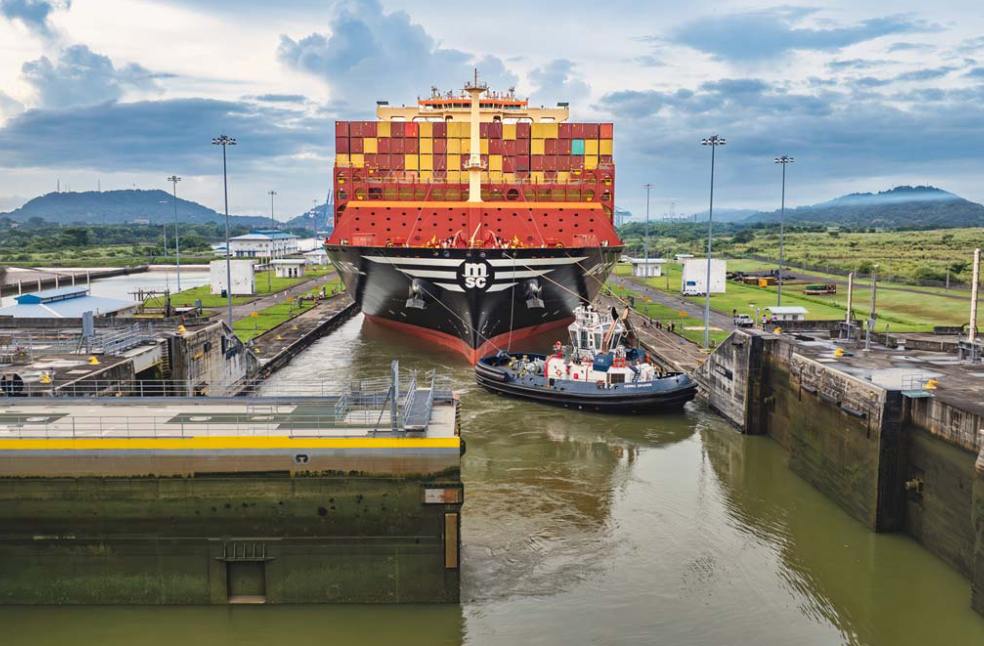
The Panama Canal depends on a system of locks that raises and lowers vessels as they move between the Pacific Ocean and the Caribbean Sea. The system requires substantial quantities of freshwater, much of which comes from Gatun Lake and other nearby reservoirs.
Gatun Lake is also an important source of drinking water for Panama’s population, including communities around Panama City. During periods of drought, authorities therefore face the challenge of balancing the needs of maritime transportation with the country’s freshwater requirements.
El Nino, a naturally occurring climate phenomenon that develops when waters in the eastern tropical Pacific become warmer than normal, can influence weather patterns across large parts of the world. Scientists are expecting a particularly strong El Nino in the coming months, raising concerns about increased heat, drought and other extreme weather conditions.
The latest restrictions highlight the growing vulnerability of major global trade routes to changing weather conditions and water availability. Further declines in water levels could place additional pressure on Panama Canal operations and international supply chains in the months ahead.
POPULAR | 7 killed in safari helicopter crash in Northern Kenya
