


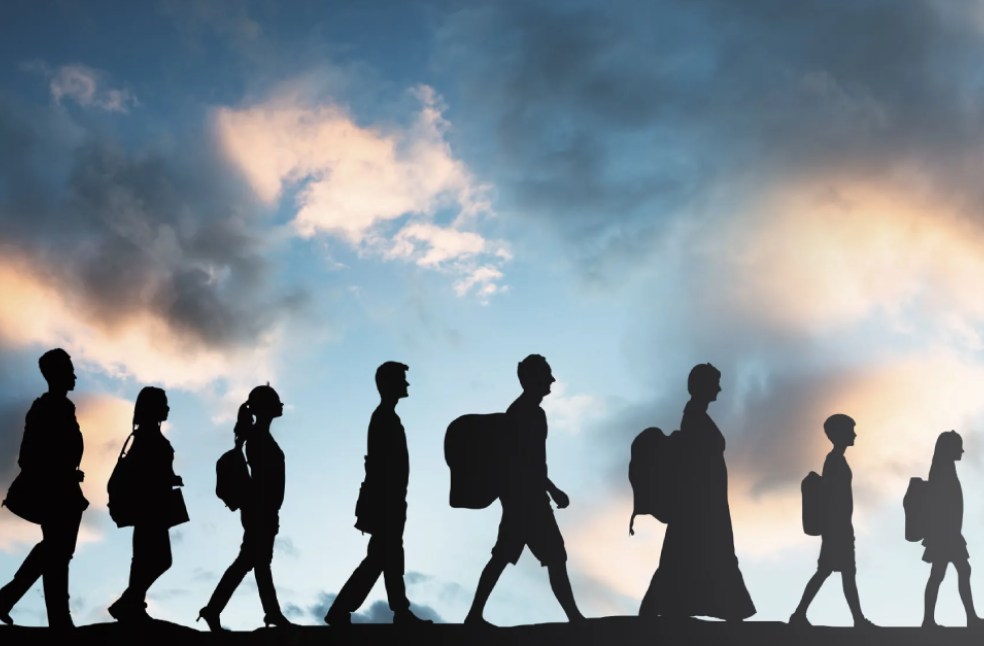
Migration is transforming modern cities by changing their populations, economies, cultures and urban landscapes. People move across borders and within countries for employment, education, family, safety and better living conditions.
Others are forced to leave their homes because of conflict, persecution, natural disasters and climate-related pressures. The impact is particularly visible in cities, where migrants often find greater access to jobs, housing, healthcare, education and other essential services.
According to the United Nations, the number of international migrants reached 304 million in 2024, almost twice the estimated 154 million recorded in 1990. However, international migration is only one part of the picture. The user’s source notes that internal migration, movement within the same country, is the dominant form of human migration globally.
This means that cities are being transformed not only by people arriving from other countries but also by millions moving from rural areas and smaller towns into major urban centres.

Cities are becoming more diverse
One of the most visible effects of migration is the growing cultural diversity of urban areas. Migrants bring their languages, traditions, food, skills, businesses and cultural practices with them. Over time, these influences can become an important part of a city’s identity.
From restaurants and neighbourhood markets to festivals and cultural events, migration can create more diverse and globally connected communities. UN-Habitat describes migration as a key driver of urban growth and highlights how migrants can become important contributors to cities when appropriate policies are in place.
For modern cities, diversity can therefore be more than a demographic change. It can contribute to innovation, entrepreneurship, cultural exchange and stronger connections with international markets.
Migration is changing the urban workforce
Employment remains one of the major reasons people move. The attached source notes that migration can be associated with improved human capital and better economic opportunities, while migration networks can make subsequent movement easier.
Migrants can fill labour shortages in sectors ranging from construction and manufacturing to healthcare, hospitality, technology, logistics and professional services. Their economic contribution can also extend beyond the cities where they live. The World Bank estimated that officially recorded remittances to low- and middle-income countries would reach $685 billion in 2024.
This illustrates how migration connects cities and economies across borders. A worker living in one city may support family members thousands of kilometres away, creating economic links between countries and communities.
Pressure on housing and infrastructure
Migration can also create challenges when cities grow faster than their infrastructure. A sudden increase in population can place additional pressure on housing, public transport, healthcare, schools, water supplies, sanitation and other essential services. When affordable housing does not expand quickly enough, migrants and low-income residents can face overcrowding or be pushed towards informal and underserved areas.
UN-Habitat has warned that rapid migration into urban areas can intensify existing institutional and financial pressures, potentially contributing to service deficiencies, health risks and environmental problems. This makes urban planning increasingly important. Cities need to anticipate population movement rather than simply react after neighbourhoods become overcrowded.
The rise of migrant neighbourhoods
Migration can reshape the physical geography of cities. Certain neighbourhoods may become home to large communities from particular countries or regions, creating distinctive cultural and commercial centres.
These areas can provide newcomers with social networks, familiar languages, businesses and support systems. Migration networks can make it easier for new arrivals to find employment and housing and adapt to their new surroundings.
At the same time, cities need to ensure that migrant neighbourhoods are not isolated from the wider urban economy. Access to reliable transport, schools, healthcare, public spaces and employment opportunities is essential for successful integration.
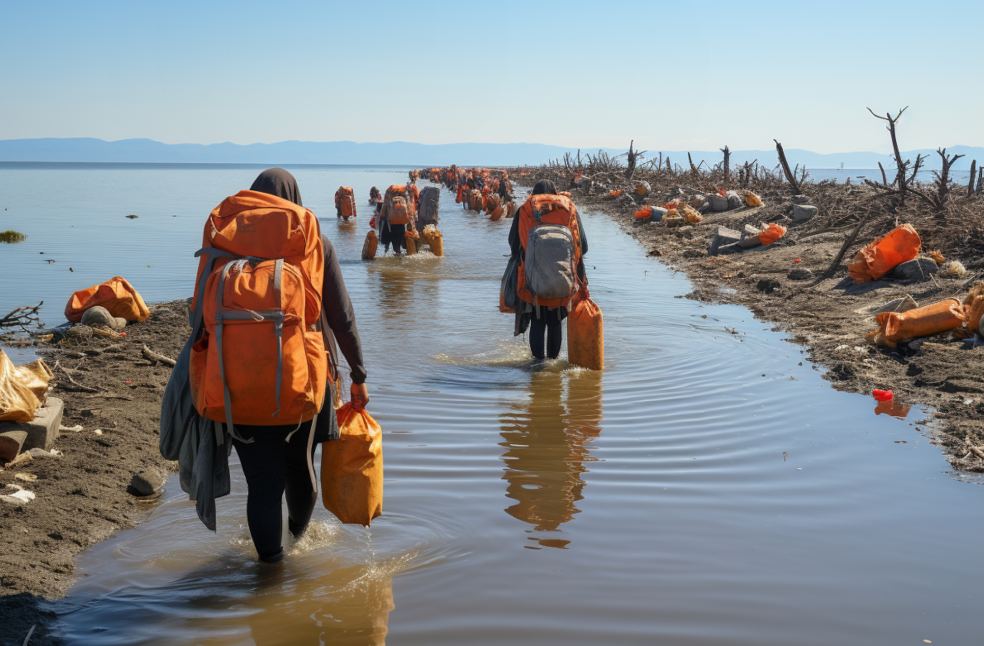
Cities are also becoming destinations for displaced people
Not all migration is voluntary. The source material distinguishes between migrants, refugees and asylum seekers. Refugees are people forced to flee their countries because of violence or persecution, while asylum seekers seek protection after leaving their homes.
Increasingly, displaced populations are moving towards urban areas rather than remaining exclusively in refugee camps. A 2024 UN-Habitat publication reported that by the end of 2022, 108.4 million people were forcibly displaced, including 35.3 million refugees and 62.5 million internally displaced people. It also noted that more than 60 percent of refugees and around half of internally displaced people were living in urban environments.
This creates an important responsibility for city authorities. Urban policies need to consider the needs of displaced populations while also ensuring that existing residents continue to receive adequate services.
Climate change could increase urban migration
Climate change is emerging as another important factor behind population movement. Extreme heat, flooding, drought, storms, environmental degradation and declining agricultural opportunities can make some areas increasingly difficult to live in. People affected by these pressures may move temporarily or permanently, sometimes towards larger cities where they expect to find employment, housing and essential services.
UN-Habitat identifies climate change, environmental degradation, conflict, poverty and inequality among the factors pushing people towards urban areas. As climate risks increase, cities may therefore face a new challenge: preparing not only for natural disasters but also for the movement of people caused by those disasters.
Migration can drive innovation
Migration is not simply a challenge for cities. It can also be an important source of economic and social development. Migrants bring skills, professional experience, business ideas and international connections. Some establish companies, create jobs or introduce new products and services.
Others contribute through education, research, healthcare, construction, technology and creative industries. UN-Habitat notes that migration, when effectively managed, can contribute positively to the socioeconomic dynamism and sustainable development of cities.

Cities that successfully integrate migrants can therefore benefit from a larger and more diverse workforce while strengthening their cultural and economic connections with other parts of the world.
The challenge of building inclusive cities
The central question for modern cities is no longer simply how many people are arriving, but whether urban systems are prepared to accommodate them. Housing policies, public transportation, healthcare, education, employment services and public spaces all need to reflect changing population patterns.
UN-Habitat’s work on migration and urban planning emphazises the importance of inclusive planning and public spaces so that cities can respond to migration while improving living conditions for all residents.
This approach is particularly important because migrants are not a single group. Some arrive for employment, some for education or family reasons, while others are escaping conflict or environmental disasters. Their needs, legal situations and economic circumstances can be very different.
What will migrant cities look like in the future?
Urbanisation and migration are likely to remain closely connected in the coming decades. UN-Habitat reported that there were 1,934 metropolitan areas with more than 300,000 inhabitants in 2020, representing around 60 percent of the world’s urban population. It projected that almost one billion additional people could become metropolitan inhabitants by 2035.
As metropolitan populations grow, migration will become an even more important consideration in urban planning. The cities that adapt successfully will be those that see migration not simply as a population-management issue, but as part of long-term economic, social and environmental planning.
Migration is changing modern cities from the inside out. It is influencing where people live, how businesses operate, what neighbourhoods look like and how cities plan their infrastructure. The movement of people can bring new skills, investment, entrepreneurship and cultural diversity. At the same time, rapid and poorly managed migration can place pressure on housing, transport, public services and the environment.
Migration has shaped human civilisation for thousands of years. In the increasingly urban world of the 21st century, it is helping shape the cities of tomorrow.
TOP PICKS | Urban Gardening: How to grow fresh food in small spaces
