


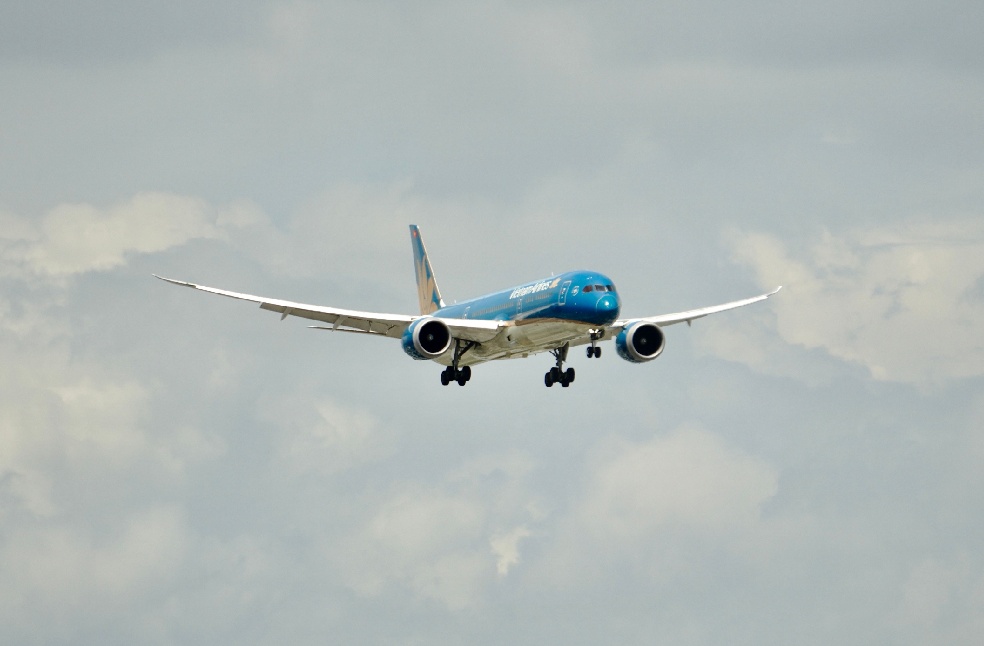
London: An AI contrail trial will test whether aircraft can avoid areas where climate-warming contrails are most likely to form across a busy North Atlantic air corridor.
The £5 million ($6.8 million) Operation Blue Skies programme will focus on Shanwick Oceanic airspace in the eastern half of the North Atlantic corridor. The area accounts for approximately 5 percent of global contrail warming.
The 30-month project brings together Google, the UK government, the Met Office, air traffic control provider National Air Traffic Services (NATS), the University of Cambridge and Imperial College London.
Contrails are icy clouds formed when hot aircraft engine exhaust meets very cold air at high altitude. Many disappear within a short period. Under particularly cold and humid conditions, however, the ice crystals can persist and spread into clouds that trap heat which would otherwise escape from the Earth.
Under Operation Blue Skies, Google will use satellite images and flight data to identify locations where aircraft have previously produced contrails. Weather patterns will then be combined with the information to forecast areas where conditions are suitable for new contrail formation.
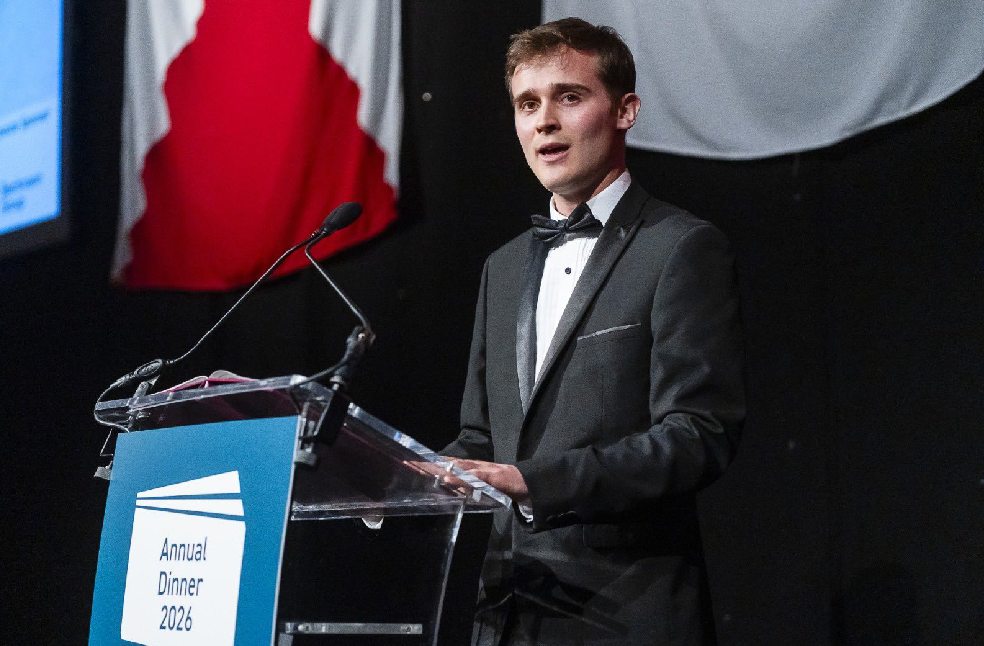
Aviation Minister Keir Mather remarked that the trial will assess small changes to flight paths over the Atlantic and could provide a way to reduce aviation’s climate impact. Previous airline-level trials have recorded reductions of around 60 percent to 70 percent in contrail formation or warming, according to Hodgson.
The forecasts will be passed to NATS so air traffic controllers can guide aircraft away from those areas. The project will mainly involve altitude changes of around 2,000ft rather than major route diversions. Similar altitude adjustments are already used to avoid turbulence and severe weather. The changes are therefore expected to have little noticeable effect on passengers.
Testing is planned for selected evenings and nights during the winters of 2026-27 and 2027-28 when air traffic is lower. Around 10,000 flights are expected to pass through the airspace during the trial periods. Only a fraction are expected to require an altitude change specifically to avoid contrails.
The Department for Transport is providing £2.65 million ($3.6 million), while Google is contributing £1.4 million ($1.9 million) through AI research, engineering and computing infrastructure. The project will also examine whether avoiding contrails can deliver a net climate benefit. Changing altitude can increase fuel consumption, creating additional carbon emissions.
Modelling indicates that a full deviation through Shanwick could require around 100kg of additional fuel per affected aircraft. The findings from Operation Blue Skies are expected to be published in academic literature and made available for wider scientific scrutiny.
POPULAR | Ebola death toll rises as DR Congo battles deadliest outbreak
