



Washington: Fast-growing nicotine pouches are emerging as one of the tobacco industry’s biggest bets on a future beyond cigarettes, offering rapid sales growth, strong profit margins and, for now, less regulation than several competing nicotine alternatives.
Investors are increasingly watching whether products such as Philip Morris International’s Zyn and British American Tobacco’s Velo can expand beyond the United States and Scandinavia, where oral nicotine products are already well established. The companies see the category as a potential new source of growth as cigarette consumption continues to decline.
However, nicotine pouches face two major challenges: convincing consumers in countries without a strong tradition of oral nicotine use to switch and maintaining growth as regulators become increasingly concerned about youth uptake and marketing practices.
BAT has reported rising demand in markets including Britain and Poland. Its pouch volumes across Asia, the Middle East and Africa increased 27.5 percent to around 700 million pouches during the first half of 2026. That figure remains a small portion of the more than 3 billion pouches sold across its US and European businesses.
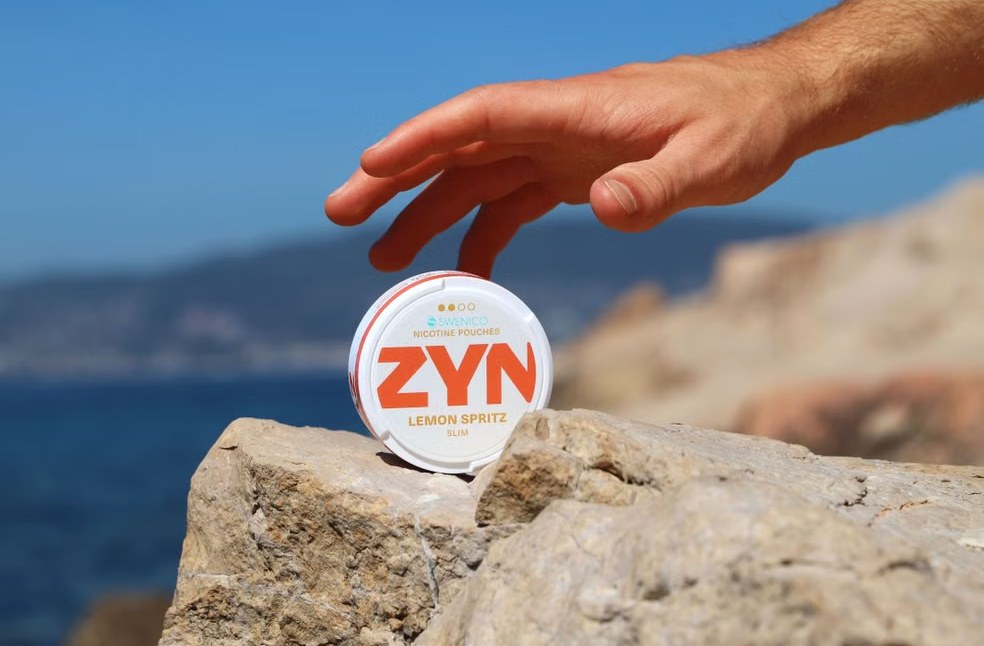
BAT Chief Executive Tadeu Marroco described nicotine pouches as a potential long-term growth engine that could eventually replace cigarettes. He also highlighted their lower cost and ease of use compared with some other smoking alternatives.
Fast growth and attractive margins
Nicotine pouches are small packets containing nicotine but no tobacco. They are placed under the lip and are gaining market share faster than some other alternatives, including vapes and heated tobacco products.
BAT estimates that global pouch industry revenue could reach £11 billion ($15 billion) by 2030, up from £4 billion in 2025. The company expects the number of pouch users to reach 47 million by that time, slightly more than half the projected number of vape users.
Profitability is another major attraction for tobacco companies and investors. Philip Morris said its US nicotine pouch business generated eight times the gross profit per 1,000 units of its international cigarette business in 2024. Its flagship IQOS heated tobacco product generated 2.4 times the cigarette business’s gross profit on the same basis.

The strong margins have made pouch performance increasingly important to tobacco-company valuations, according to Jefferies analyst Andrei Andon-Ionita.
Nicotine pouches are also creating new opportunities for nicotine consumption because they produce neither smoke nor vapour. This means they can be used in locations where smoking and vaping are prohibited.
Philip Morris and BAT also have a strong position in the pouch market. Analysts say this contrasts with vaping, where Chinese manufacturers hold a significant share of the global market.
Regulation remains a major concern
The category is also attracting greater scrutiny from regulators and public health organisations. The US Food and Drug Administration says smokers who completely switch to alternatives such as pouches, vapes and heated tobacco products may reduce their health risks. However, experts stress that nicotine pouches are not risk-free.

Decades of use in Sweden and Norway indicate that oral nicotine products carry substantially lower health risks than smoking, although experts say the products still expose users to nicotine. Vaping, meanwhile, has a shorter history of widespread use, leaving greater uncertainty around its long-term health effects.
Concerns are growing over youth use and how nicotine pouches are marketed. Some companies have promoted the products through channels such as sports and music sponsorships and free samples, approaches that are generally avoided for some other nicotine products.
The World Health Organization (WHO) has criticised aggressive marketing and high nicotine strengths, saying these factors could make pouches attractive to new users.
The organisation called for stronger controls and said in May that 160 countries still lacked specific regulations for nicotine pouches, leaving the products less regulated in many markets than vapes or heated tobacco.
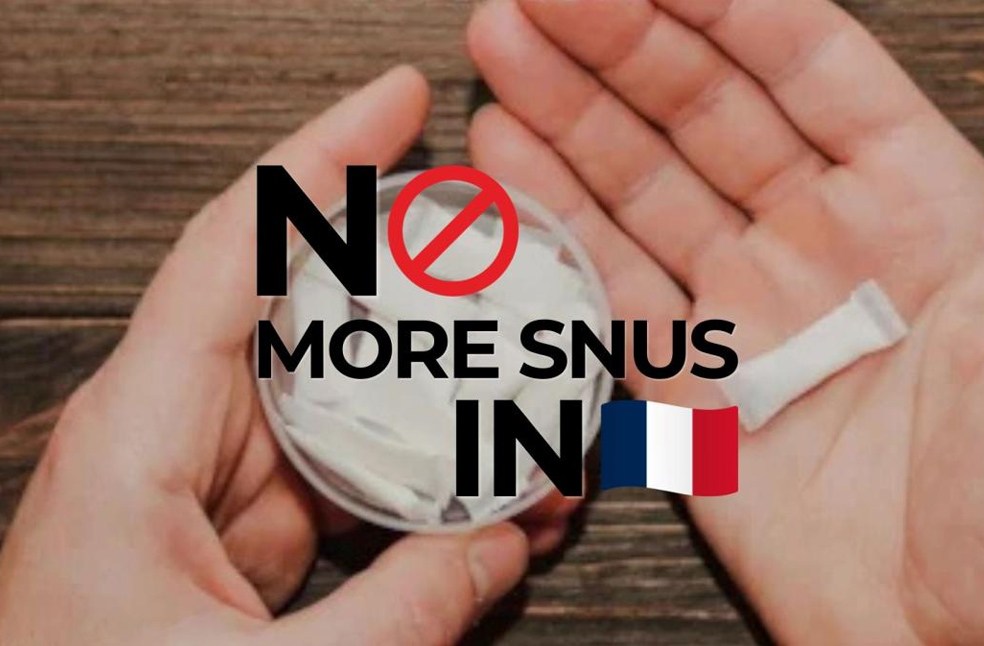
Regulatory approaches are already becoming stricter in several countries. France has banned nicotine pouches, while Finland has introduced measures including plain packaging. Britain and the European Union are also moving towards tighter controls.
BAT and Philip Morris have noted that they support appropriate regulation, although analysts warn that tougher rules could slow the category’s expansion.
Can nicotine pouches become a global success?
The industry’s biggest question is whether the popularity of nicotine pouches in established markets can be replicated elsewhere. In countries without an oral nicotine tradition, consumers may be more accustomed to inhaling nicotine, making a switch to pouches more difficult.
Jefferies analyst Andon-Ionita described the absence of an established oral nicotine culture outside a limited number of countries as the biggest obstacle to wider adoption.

Cigarettes nevertheless remain the tobacco industry’s main profit engine. At Philip Morris, oral nicotine products currently account for only 2.6 percent of total volumes, showing that pouches remain a relatively small part of its overall business.
An unexpected increase in cigarette sales recently helped Philip Morris exceed second-quarter expectations, prompting Bernstein analysts to note that investor enthusiasm surrounding Zyn may have overshadowed the continuing importance of traditional cigarettes.
Analysts expect nicotine pouches to contribute an increasing share of tobacco-industry profits, but both BAT and Philip Morris maintain that consumers have different preferences and will require a range of alternatives rather than a single replacement for cigarettes.
The future of nicotine pouches will therefore depend not only on their ability to attract adult smokers but also on how effectively companies navigate changing regulations, public health concerns and differences in consumer habits across global markets.
MOST READ | UK housing near transport stations set for ‘default yes’
