


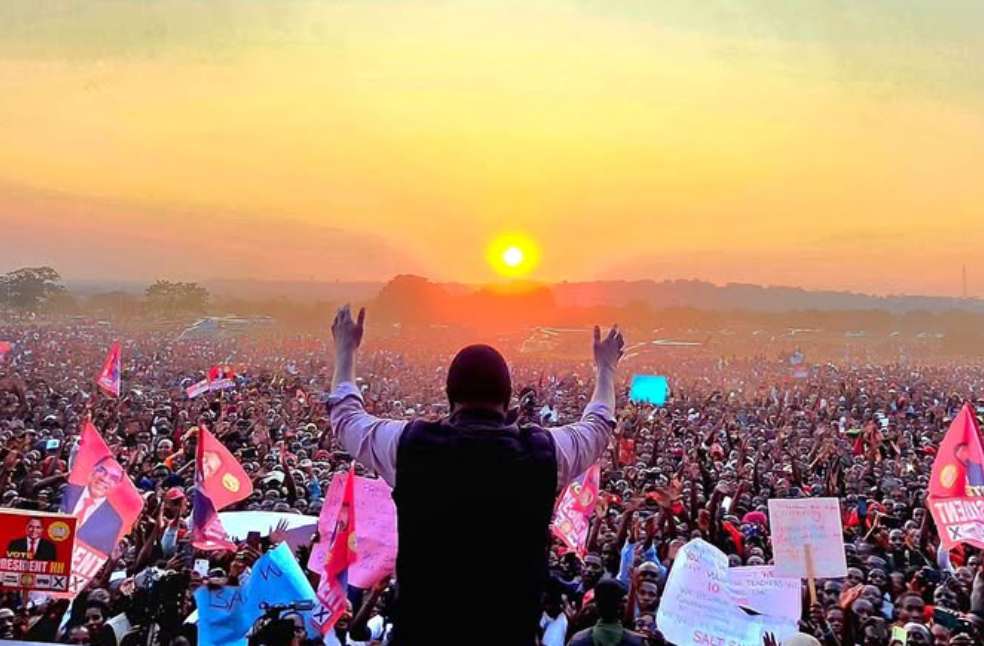
Lusaka: Zambia’s President Hakainde Hichilema has been declared the winner of the country’s presidential election, securing a second five-year term after receiving about 61.4 percent of the valid votes, according to the electoral authorities.
The Electoral Commission of Zambia announced the results in the early hours of August 18, with Hichilema defeating his main challenger, Brian Mundubile, who secured around 38 percent of the vote. The commission chairperson Mwangala Zaloumis stated that, “I therefore declare Hichilema Hakainde S to be president-elect of the Republic of Zambia this 18th day of August, 2026.”
The victory marks Hichilema’s second consecutive presidential term and his seventh attempt at securing the country’s highest office. Mundubile, meanwhile, was contesting the presidency for the first time.
Following the announcement, hundreds of Hichilema supporters gathered across Lusaka wearing the red colours of his United Party for National Development (UPND). Supporters celebrated by singing, dancing and setting off firecrackers in the streets.
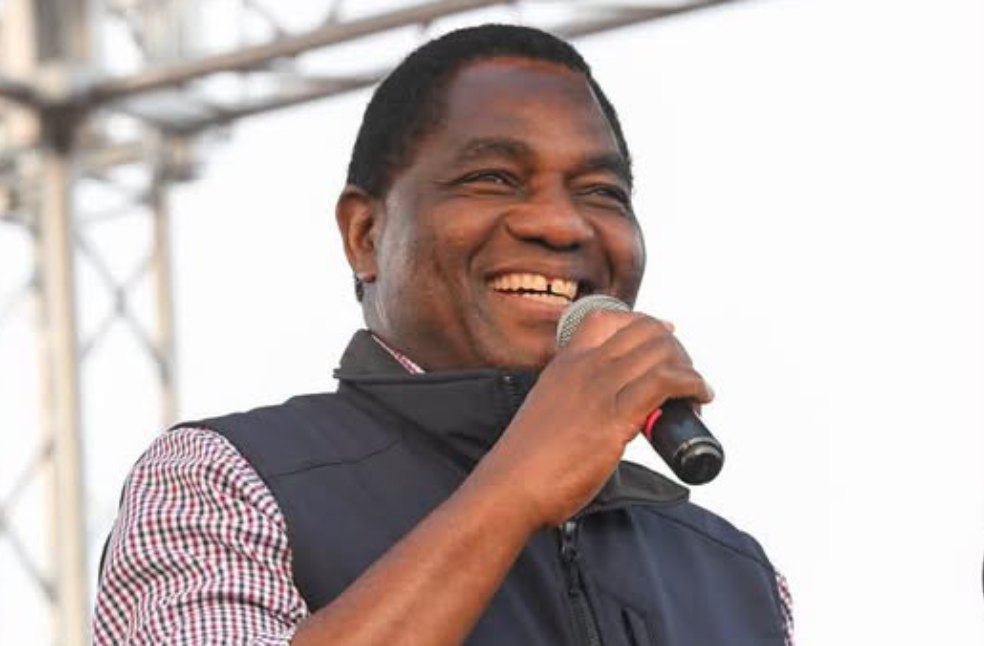
Hichilema, 64, said he was humbled by the confidence placed in him by voters and pledged to continue working for all Zambians, including those who supported other candidates. Hichilema remarked that, “We hear you, and we will continue to work for you.”
The election was, however, marked by tensions and allegations of irregularities. Authorities arrested 11 people, including prominent opposition figures, during a raid on election night. The government said the operation targeted suspected militia activity and alleged that those arrested had military-grade weapons intended for an armed insurrection.
Mundubile’s National Reconciliation Party for Unity and Prosperity rejected the government’s explanation, claiming the raid occurred at the opposition leader’s residence and resulted in a member of parliament being wounded by gunfire.
Vote counting was also temporarily suspended after reports of violence against polling officials and the theft of ballot papers. Mundubile subsequently called for an independent investigation into allegations that polling station results may have been altered, a claim rejected by Hichilema’s camp.
International observers, including the European Union, said the election was largely peaceful but raised concerns about the wider electoral environment. The EU observation mission said legal changes, uncertainty and unequal campaign conditions had affected the fairness of the contest.
Around five million votes were cast in the election. With a population of about 22 million, Zambia is Africa’s second-largest copper producer and has traditionally been regarded as one of the continent’s more stable democracies. Since the restoration of multiparty politics in 1991, every presidential transition in the country has taken place through elections.
POPULAR | Cameroon clinch WAFCON title with 3-0 win over Malawi
