


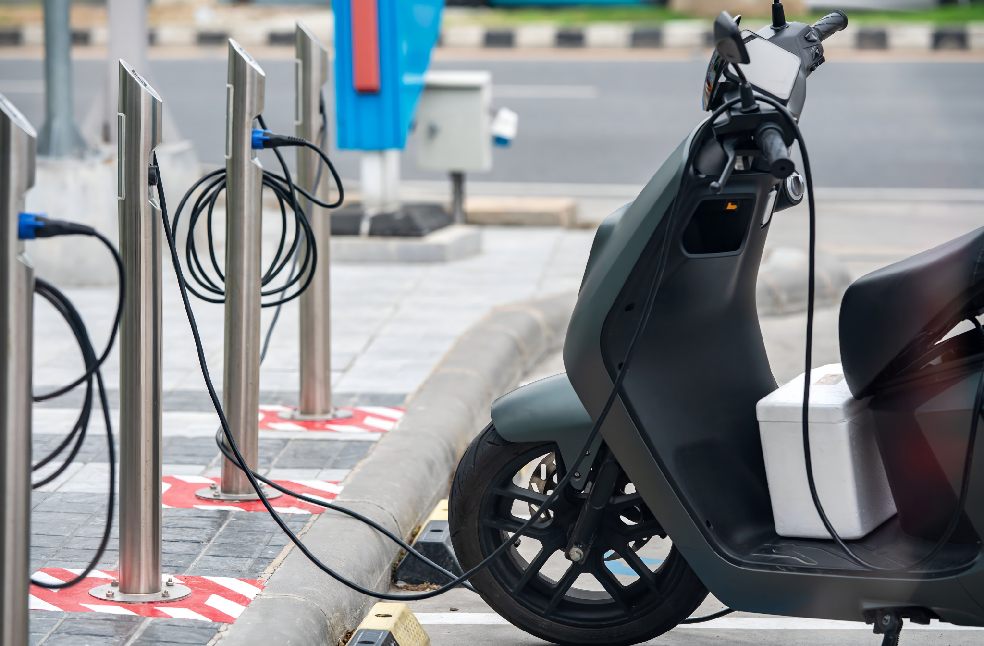
Nigeria: Electric bikes are gaining ground in Gombe as high petrol prices push riders towards more affordable transport options and lower operating costs.
Electric bikes typically cost about 1 million naira (about $735), putting them beyond the reach of many households. Riders who have made the switch, however, say the bikes can significantly reduce fuel and maintenance expenses.
Petrol in Gombe now sells for about 1,365 naira ($1) per litre (0.26 gallons). Before the subsidy was removed, the price was roughly 200 naira (15 cents) per litre. The increase pushed up transport costs and added pressure to household budgets across Nigeria.
The change also coincides with concerns about pollution from the country’s ageing fleet of petrol-powered motorcycles and vehicles. According to the World Bank, road transport is a major source of air pollution in Nigerian cities. Vehicle emissions contribute significantly to harmful particulate matter.

The shift has come after President Bola Tinubu removed Nigeria’s longstanding petrol subsidy in May 2023. The decision triggered a steep increase in petrol prices and forces many transport workers and households to reconsider how they travel and earn money.
Despite the potential savings, unreliable electricity remains a major obstacle to wider electric bikes adoption. Nigeria’s power supply is inconsistent, as many households receive electricity for only a few hours a day.
The electricity challenge also becomes more complex under the country’s service-based tariff system. Customers are placed in different bands according to the amount of electricity supplied.
Electric bikes therefore remain a niche option in Gombe, although battery-swap infrastructure is gradually expanding. If access to charging and battery services improves, the growing presence of electric bikes could signal a wider change in how economic pressure is reshaping transport across Nigeria.
POPULAR | Israeli settlers seize Palestinian spring for West Bank pool
