


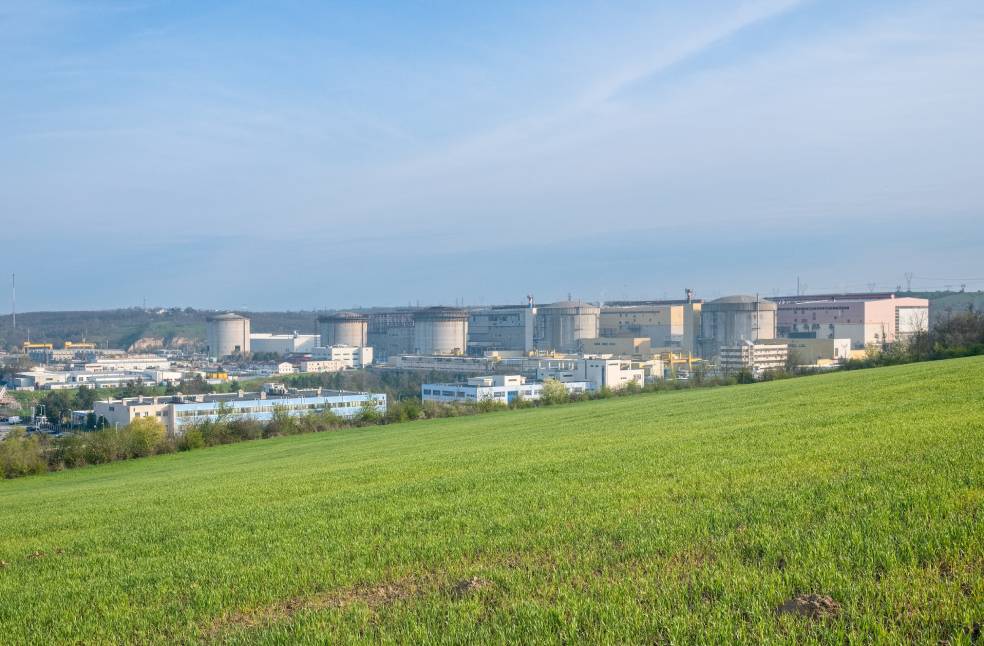
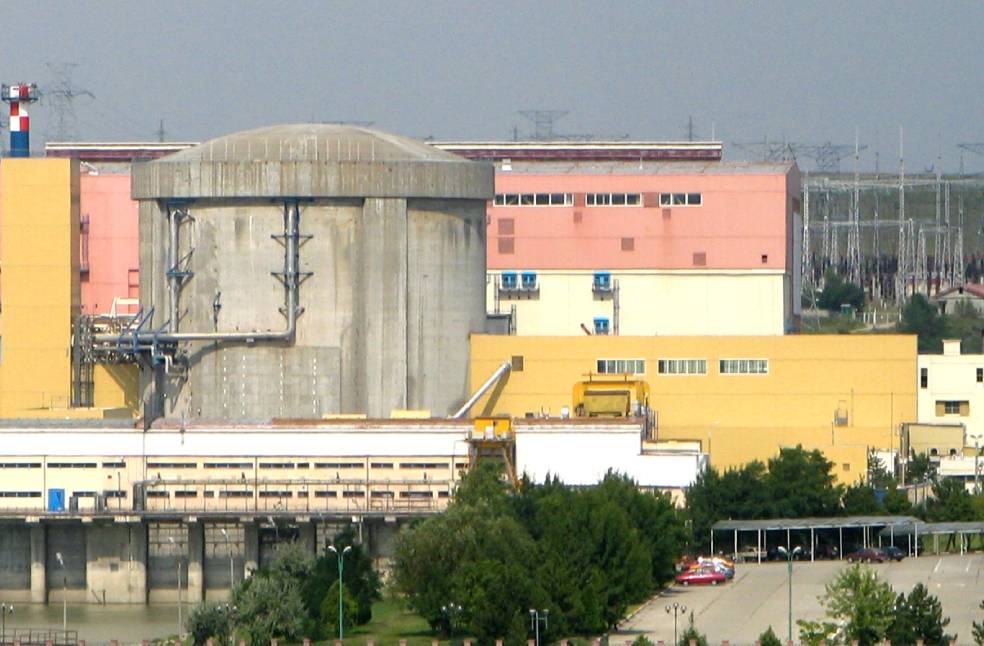
Bucharest: Romania has shut down its only nuclear power station after extremely low water levels in the Danube left the plant without enough water for cooling, amid prolonged hot weather across Europe.
The Cernavodă nuclear power plant, which operates two 706-megawatt reactors and supplies around 20 percent of Romania’s electricity, is not expected to resume operations for at least 10 days, according to plant director Romeo Urjan.
The second reactor was disconnected from Romania’s electricity grid shortly before midday. The first reactor had already been taken offline in July. Cernavodă relies on water from the Danube for cooling, but the river has fallen to its lowest levels in decades in several parts of Europe. Romanian authorities earlier attempted to increase water flow to the plant by sinking barges loaded with rocks into the river.
The shutdown is only the second time Cernavodă has been taken offline since its launch, with the previous shutdown occurring in 2003. Romania is expected to cover the resulting electricity shortfall through solar and wind generation during daylight hours, while coal- and gas-fired power plants and electricity imports may be needed during the evenings. The country’s hydropower generation has also been affected by the low water levels.
The situation has raised concerns in neighbouring Hungary, where the Paks nuclear power plant also depends on the Danube for cooling. Hungary’s four-reactor Soviet-era facility has so far remained operational, although officials have warned that continued falls in river levels could pose challenges.
Europe’s prolonged heatwave has placed growing pressure on rivers, energy systems, agriculture and infrastructure. The continent is warming at around twice the global average, according to the Copernicus Climate Change Service, contributing to more frequent heatwaves, drought and wildfires. The Rhine, another major European waterway, is also experiencing low water levels that are disrupting shipping.
Several European countries are facing wider consequences from the extreme weather. In France, around 80 departments were under heatwave alerts, with temperatures expected to exceed 40°C in some areas. Greece has also seen major wildfires, prompting the evacuation of more than 200 people from resorts in northern Halkidiki.
Spain recorded temperatures of up to 37°C in central areas, while the UK experienced its hottest day of the year so far, with a provisional temperature of 38.1°C recorded at London’s Kew Gardens. The extreme heat has also caused significant economic damage. Italy’s agricultural trade association Coldiretti estimated that climate-related losses from hail, drought and wildfires could exceed $3.46 billion (€3 billion). France’s environment minister has warned that recent heatwaves could result in $11.53 billion (€10 billion) to $17.3 billion (€15 billion) in direct and indirect costs.
With water levels continuing to fall and extreme temperatures affecting large parts of Europe, the Cernavodă shutdown highlights the growing vulnerability of energy infrastructure to prolonged heat and drought.
MOST READ | Zambia Presidential race begins with Hichilema seeking 2nd term
