


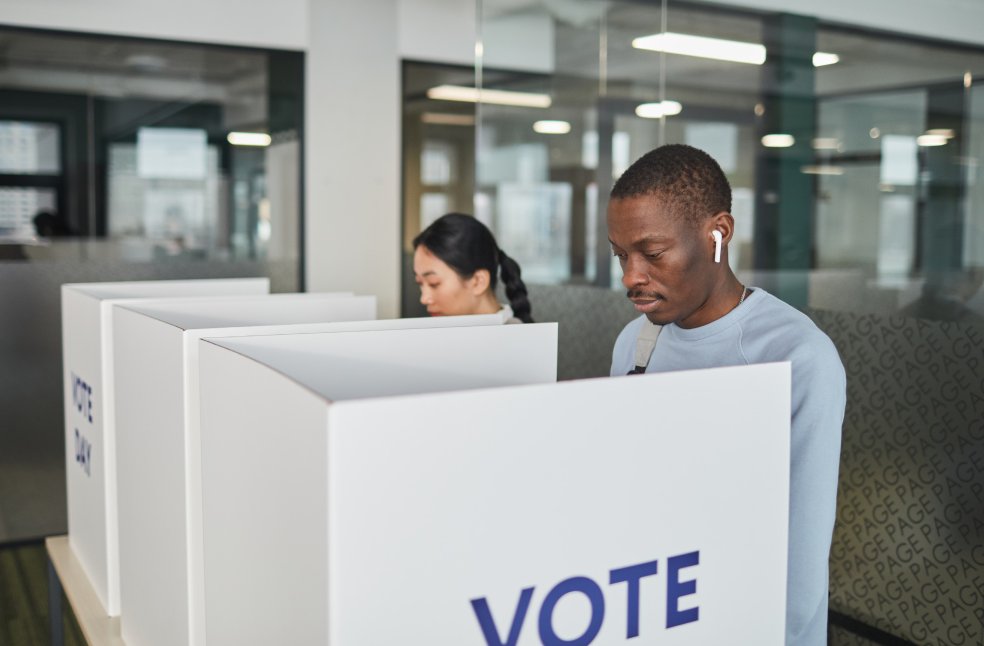
Zambia: Polling stations have opened across Zambia as President Hakainde Hichilema seeks a second five-year term in an election dominated by concerns over the cost of living, jobs and economic recovery.
Voting began at 6am local time (04:00 GMT) and is scheduled to continue for 12 hours. About 8.7 million registered voters are eligible to cast ballots in the presidential election, which is also being closely watched for signs of growing political tensions.
Hichilema, 64, won the 2021 presidential election after six previous attempts. His campaign is focused on job creation, economic reforms and a major infrastructure development programme as he seeks to secure another term in office.
The election comes as Zambia continues to face economic challenges despite improvements in some key indicators. Inflation fell to 6.8 percent in April, while the Zambian kwacha has strengthened. However, high food and energy prices continue to put pressure on households. More than 70 percent of Zambia’s population of about 22 million people live on less than $3 a day, according to World Bank data, while unemployment remains around 10 percent.
Hichilema’s government has also faced criticism over concerns about restrictions on political dissent. Zambia has traditionally been viewed as one of Africa’s more stable democracies, but opposition figures have questioned whether the political environment remains sufficiently open.
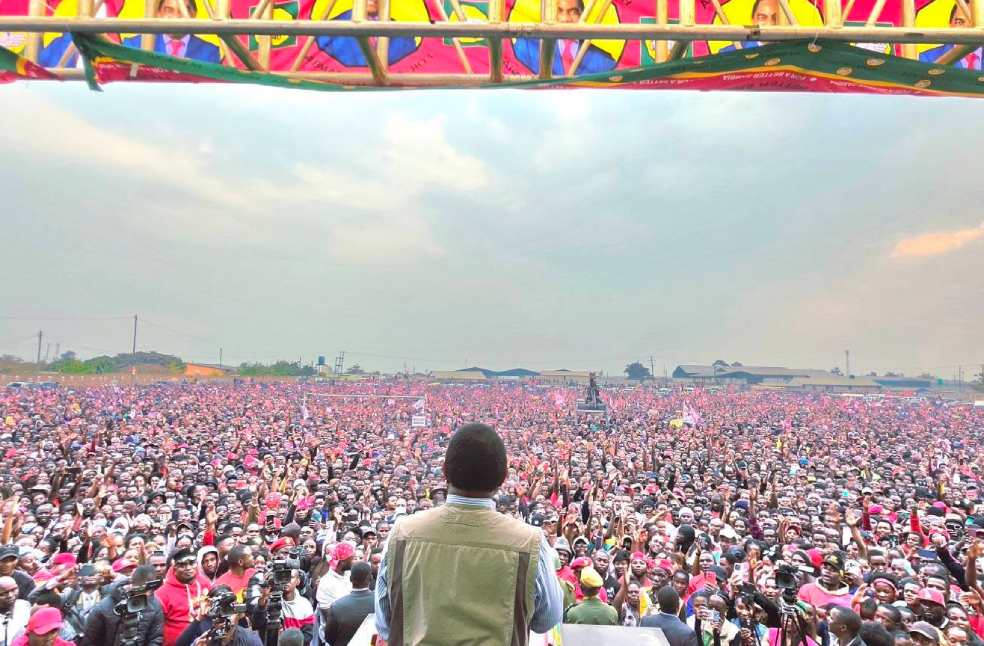
Hichilema’s main challenger is Brian Mundubile, a 55-year-old former minister in the Patriotic Front government that ruled Zambia from 2011 to 2021. Mundubile is contesting under the newly formed NRPUP and has the backing of an alliance of opposition parties.
Mundubile entered the presidential race in May, adding uncertainty to an election that had previously appeared to favour Hichilema. Mundubile has accused the government of imposing restrictions on his party’s campaign and said the election would not be free and fair.
Mundubile has promised a ‘national reset’ and reconciliation if elected, arguing that political divisions are holding back development. Voters will also elect representatives to Parliament, with 226 seats up for grabs, compared with 156 in the previous legislature.
Voting patterns have historically followed regional lines, with Hichilema’s party enjoying stronger support in southern and western Zambia, while the former PF retains support in parts of the north and Copperbelt. Presidential election results are expected by August 17. A candidate must secure more than 50 percent of the vote to win outright; otherwise, a run-off will be held.
POPULAR | At least 15 dead after boat capsizes on Zimbabwe’s Lake Kariba
