


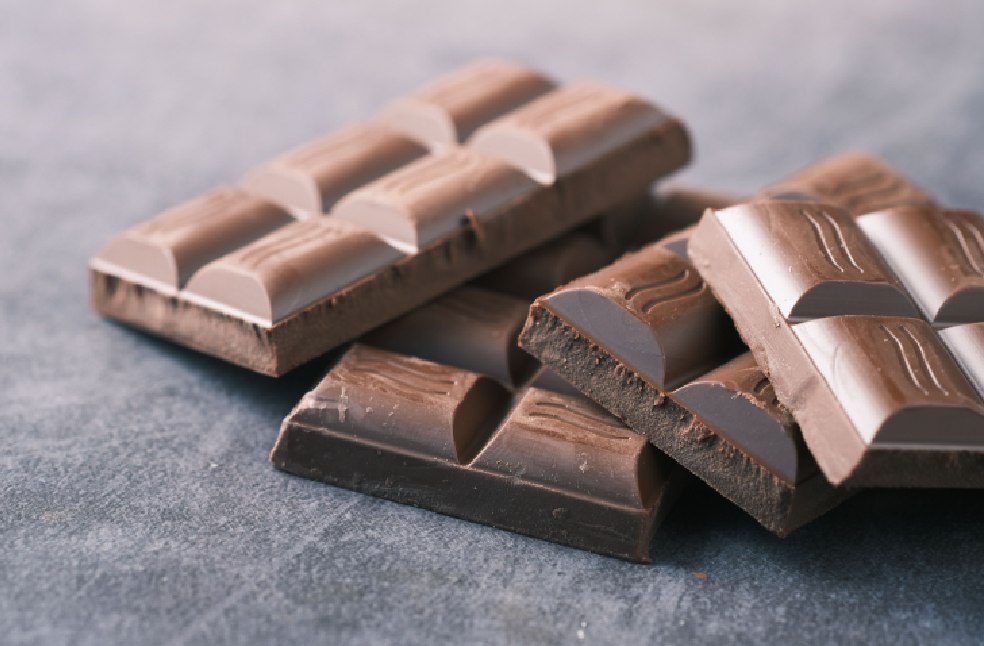
England: Scientists at the University of Reading have created a chocolate bar using cocoa grown in Berkshire, marking a rare example of chocolate produced entirely from ingredients grown in the UK.
The bar has been made to celebrate the university’s 100th anniversary. Maha Khan, a master’s student at the university, harvested, fermented and processed cocoa beans from plants held in the institution’s collection. The complete process was carried out at the university’s food department.
Maha, remarked that, “Cocoa plants are very sensitive to changes in temperature and rainfall, and climate change is already causing problems in countries that produce most of the world’s cocoa. Protecting different varieties is vital if farmers need hardier plants that can cope with a changing climate.”
The project also highlighted a little-known part of British chocolate history. In 1932, the late Queen was given a chocolate bar made with 100 percent British ingredients by confectioner Rowntree’s when the Queen was 6 years old. The chocolate bar was produced using cocoa grown in a glasshouse at Rowntree’s headquarters in York.
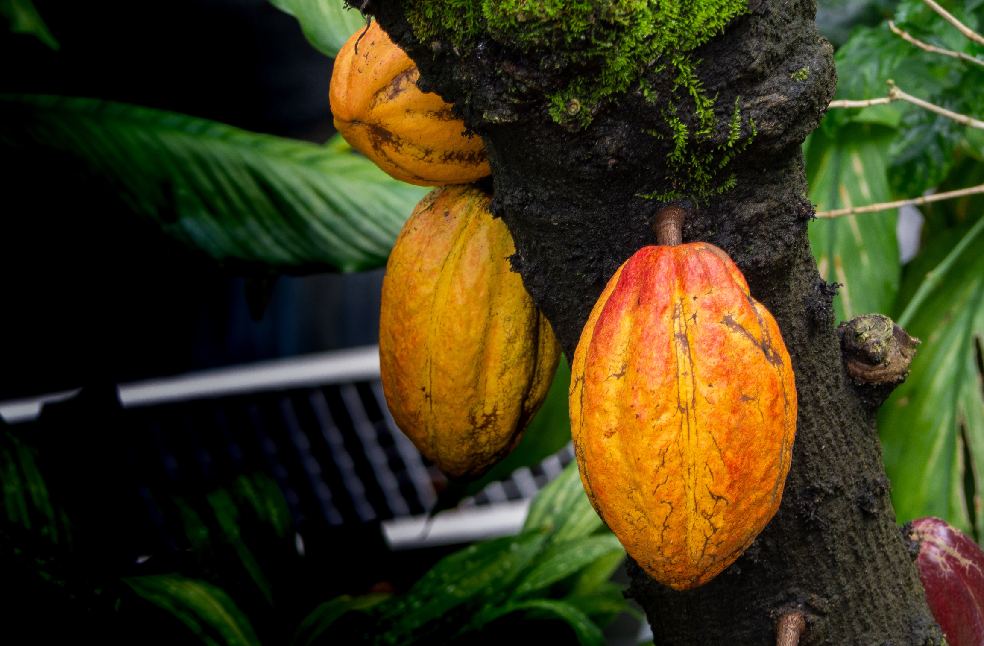
The UK chocolate market is worth £10.4 billion ($14,05) however, the industry remains entirely dependent on imported cocoa. The Reading project demonstrates how cocoa plants can be cultivated under controlled conditions in Britain while drawing attention to challenges facing production in traditional growing regions.
The University of Reading houses more than 300 types of cocoa plant at its international cocoa quarantine centre. The centre handles 97 percent of the world’s international movement of cocoa plants. The university hopes the project will support awareness of research focused on preserving different cocoa varieties.
Only 6 bars have been produced so far, with further production dependent on the availability of cocoa beans. A single cocoa pod can take 6 months to grow, making larger-scale production dependent on the limited supply of locally grown beans.
The project therefore combines a distinctive British chocolate bar experiment with wider research into protecting cocoa production from climate change, pests and disease. It also highlights the potential of preserving cocoa varieties for future production.
MOST READ | Beijing warns of intense rain and possible flooding in 24 hours
