


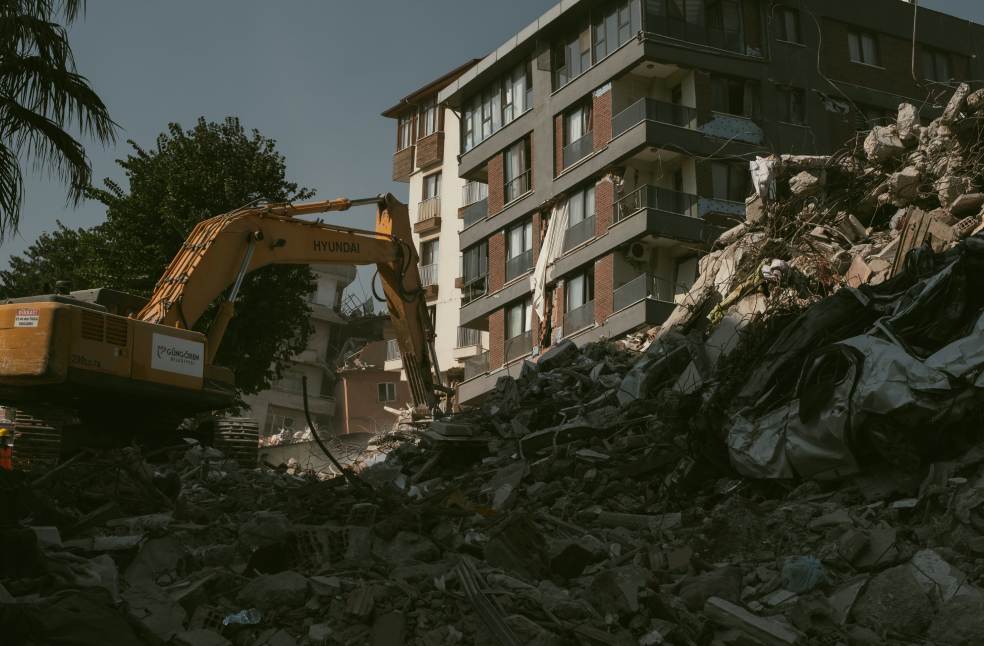
Colombia: At least 132 people have been killed and more than 480 injured after a powerful magnitude 7.4 earthquake struck Colombia, causing widespread destruction across several regions and prompting the government to declare a national disaster.
The earthquake struck at 07:34 local time (12:34 GMT) at a depth of about 103 kilometres in Chocó province, according to Colombia’s geological service. The powerful tremor was felt across hundreds of miles of western Colombia, including major cities such as Pereira, Cali and Manizales.
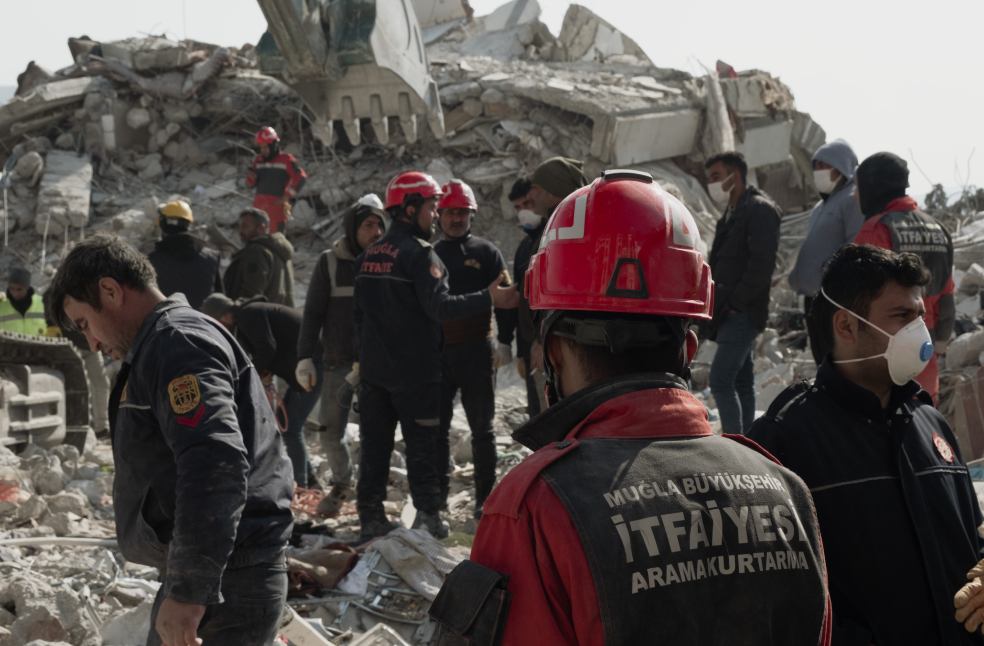
The death toll is expected to rise as emergency crews continue searching collapsed buildings for survivors. More than 1,500 homes have also been damaged, according to President Abelardo de la Espriella.
En Cali, nuestra prioridad son las familias afectadas y las personas desaparecidas que ha dejado esta tragedia natural.
Desde el Gobierno Nacional, en articulación con las autoridades departamentales y locales, trabajamos sin descanso en la atención de los heridos, la búsqueda… pic.twitter.com/WFGLM3ofCm
— Abelardo De La Espriella (@ABDELAESPRIELLA) August 11, 2026
Pereira among worst-hit areas
The city of Pereira, located around 55 kilometres from the epicentre, suffered some of the most severe damage. Local authorities reported at least 40 deaths in the metropolitan area, while 65 buildings collapsed. Rescue teams believe people may still be trapped inside 15 of the collapsed structures.
Footage from Pereira showed a building collapsing in Plaza Bolívar, the city’s main square, sending debris and dust across the area. A curfew has been imposed in parts of the city until 05:00 local time on August 11.
The epicentre was near the village of San José del Palmar in Chocó province. Despite damage to roads connecting the community to surrounding areas, the local mayor said there were no reported deaths or injuries there.
Major damage in Cali and Manizales
Cali, around 160 kilometres south of Pereira, also reported extensive damage, with 32 buildings collapsing. The earthquake caused structural damage in several other cities and areas, including Manizales, Quibdó, Medellín and parts of the Chocó and Valle del Cauca regions.
At least two people were reported dead in Manizales. Residents described scenes of panic as walls cracked, bricks fell and glass shattered during the powerful shaking.
A local journalist said the city’s strict seismic-resistant construction regulations helped buildings withstand the earthquake, although household items and books were thrown from shelves during the tremor.
Airports and infrastructure damaged
Colombia’s aviation authorities reported damage at several regional airports, including those serving Pereira, Manizales, Quibdó, Armenia, Cartago and Buenaventura.
In the capital Bogotá, trees and traffic lights were seen shaking violently. Some buildings developed cracks, although authorities reported no major damage to critical infrastructure in the city. The earthquake was also felt in neighbouring Venezuela, Ecuador and Panama.
Government declares national disaster
President Abelardo de la Espriella declared a national disaster situation, giving the government additional powers to respond to the emergency and redirect public funds towards relief and recovery efforts.
The earthquake comes just days after the president took office, placing the new administration under immediate pressure to coordinate rescue operations, provide assistance to affected communities and assess the scale of the destruction.
International leaders have offered support to Colombia. US Secretary of State Marco Rubio said Washington was closely monitoring the situation and was ready to assist. European Commission President Ursula von der Leyen said the EU’s Copernicus satellite system was being used to support rescue efforts.
El Salvador’s President Nayib Bukele also expressed solidarity with Colombia and offered personnel and equipment for emergency operations. According to the US Geological Survey, around 1.5 million people experienced shaking near a magnitude 7 event. Although deep earthquakes are generally considered less dangerous than shallower quakes, they can still release significant energy and cause severe damage to buildings.
Rescue and assessment operations are continuing as authorities search collapsed structures and determine the full extent of the disaster.
POPULAR | Germany on alert over rising hybrid warfare attacks
