


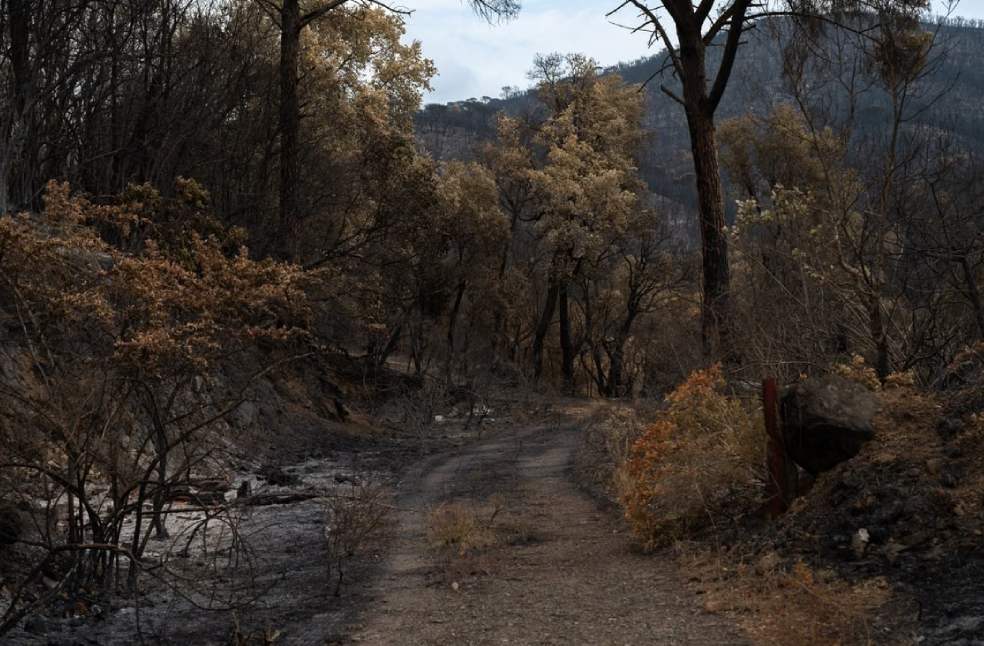
Brussels: Western Europe experienced its warmest June-July period on record, with extreme heat and drought contributing to severe wildfires across the region, according to the European Union’s Copernicus Climate Change Service.
The average temperature across Western Europe during June and July 2026 reached 21.62 degrees Celsius, 2.79 degrees Celsius above average. The figure surpassed the previous record set in 2022.
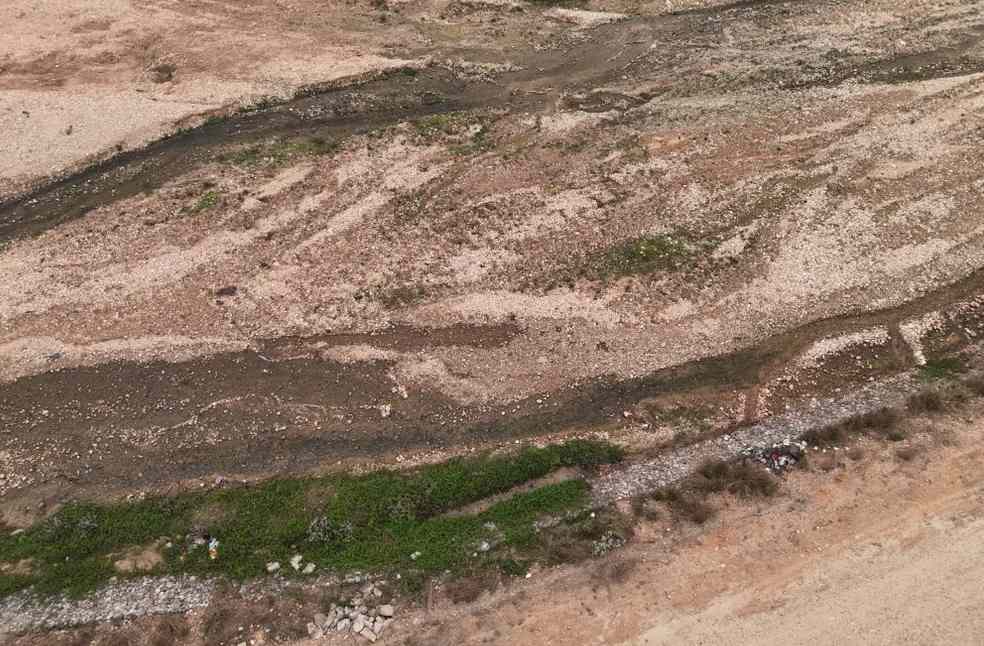
The extreme heat was accompanied by exceptionally low rainfall and soil moisture, worsening drought conditions across parts of Europe. Low water levels were recorded in major rivers, including the Seine, Rhine and Danube, creating additional pressure on transport and energy systems.
Copernicus said the combination of heat and dry conditions has contributed to an environment increasingly favourable to large and intense wildfires, particularly in southern Europe.
Laurence Rouil, director of the Copernicus Atmosphere Monitoring Service, said climate change was increasingly creating the hot and dry conditions that support high-intensity wildfires in southern Europe while allowing the fire season to extend further north.
The latest figures also showed that July 2026 was the second-warmest July globally on record, with temperatures averaging 1.47 Celsius above the estimated pre-industrial level between 1850 and 1900.
Sea surface temperatures also reached a record high for July across the world’s extra-polar oceans. Copernicus attributed part of the increase to developing El Niño conditions in the equatorial Pacific.
The combination of extreme heat and limited rainfall has had consequences beyond wildfire risks. Critically low water levels in major European waterways have affected electricity generation and freight transport. Some power plants have been forced to reduce output or shut down as river levels fell, prompting companies and households to reduce electricity consumption in affected areas.
Cargo traffic has also faced increasing restrictions as lower water levels make it more difficult for vessels to navigate major rivers. The Seine, Rhine and Danube are particularly important transport routes for European trade.
The record temperatures and worsening drought highlight the broader effects of a changing climate across Europe, where prolonged periods of heat and dryness are increasingly affecting ecosystems, infrastructure, energy supplies and economic activity.
DON’T MISS IT | Paris tightens e-scooter safety rules after rise in accidents
