


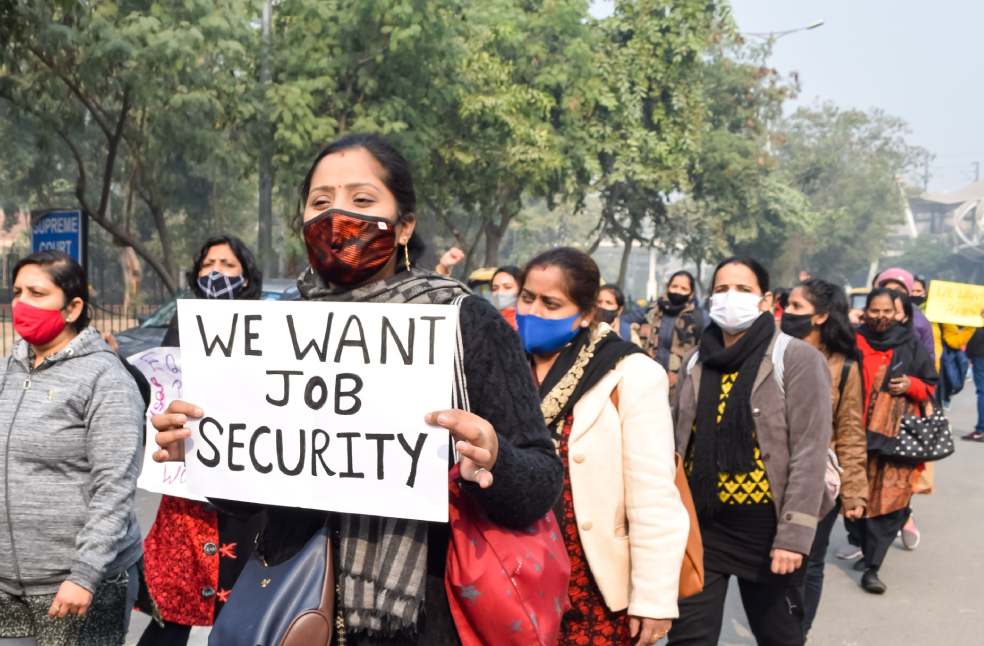
Jharkhand: Thousands of students, job seekers and volunteers took to the streets of Ranchi in India’s eastern Jharkhand state, marching towards the state assembly to demand sweeping reforms in the government recruitment examination system.
The protesters have been demonstrating in the state capital for more than two weeks, demanding action over alleged irregularities in recruitment examinations conducted by the Jharkhand Public Service Commission (JPSC). Despite several rounds of discussions with the state government and the acceptance of some demands, protesters have vowed to continue their agitation until all their key demands are addressed.
The latest protest follows weeks of demonstrations by young Indians in other parts of the country over alleged examination paper leaks and irregularities. The protests have intensified concerns over the fairness and transparency of competitive government examinations, which are highly sought after by millions of job seekers across India.
In Ranchi, thousands of protesters have been staying at a stadium since July 25. Some have reportedly been sleeping in the open, while several protesters have gone on hunger strikes. Security has been tightened across the state capital as police personnel and media teams monitor the demonstrations.
The immediate trigger for the Jharkhand protests was a preliminary civil service examination conducted by the JPSC in April. Following the announcement of results in July, candidates raised allegations after purported answer sheets circulated on social media appeared to show that some successful candidates had answered significantly fewer questions than expected.
The allegations sparked concerns that the examination results may have been manipulated. The state government has assured candidates that the matter will be investigated and that action will be taken against anyone found responsible.
Jharkhand’s Criminal Investigation Department (CID) is investigating the allegations, with more than a dozen people reportedly arrested so far. Investigators are also examining the involvement of a private company that handled parts of the examination process after questions were raised over its selection.
Following talks with protesters, the state government agreed to cancel the disputed examination as well as two other examinations. Three JPSC members have also reportedly resigned. The development came after JPSC chairman L Khiangte stepped down on July 22 and was subsequently questioned as part of the investigation.
However, protesters say the measures do not go far enough. Their main remaining demand is for the Central Bureau of Investigation (CBI), India’s federal investigative agency, to take over the probe into the alleged examination irregularities.
The Ranchi protests have also attracted significant political backing. The opposition Bharatiya Janata Party (BJP) has supported the protesters, organised demonstrations and raised the issue in the Jharkhand state assembly while calling for a federal investigation.
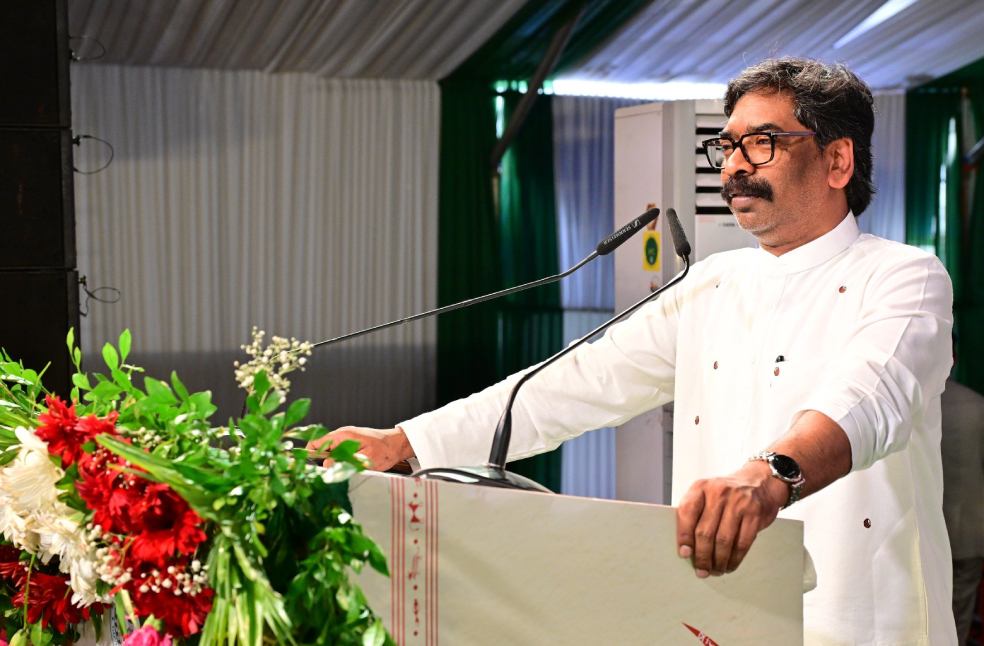
Congress, which is part of the ruling alliance in Jharkhand but is a national rival of the BJP, has also expressed support for the students’ demands. Jharkhand Chief Minister Hemant Soren, who heads the regional Jharkhand Mukti Morcha (JMM), has accused vested interests of attempting to disrupt democracy in the state. He has urged protesters to keep the movement free from political influence while reiterating his commitment to ensuring justice.
With thousands still on the streets, pressure is mounting on the Jharkhand government to address the remaining demands and restore confidence in the state’s recruitment examination system.
POPULAR | Germany on alert over rising hybrid warfare attacks
