


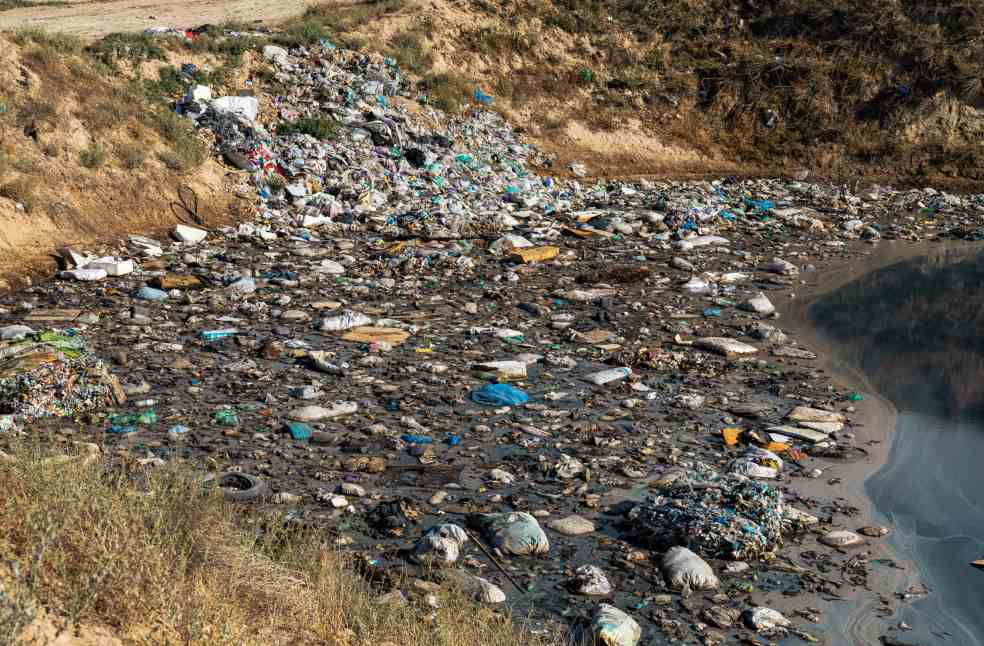
United States: A new study has warned that efforts to divert food waste from landfills could create another environmental problem if plastic contamination is not properly addressed.
Around one-third of all food produced globally is wasted every year, according to UN data. In the US, around 40 percent of food waste ends up in landfills, generating an estimated 30 million metric tonnes of carbon dioxide equivalent annually.
A new study published in Nature Food examined the environmental impact of different food-waste management methods, assessing their effects on climate change, nutrient pollution and plastic contamination.
Researchers from the University of Vermont used life-cycle analysis to compare landfilling food waste with alternative recycling and recovery methods. They found that diverting food waste away from landfills could reduce climate impacts by between 89 percent and 99 percent.
The alternative methods could also help reduce nutrient pollution in waterways. Excess nutrients can trigger algal blooms, a process known as eutrophication, which can damage aquatic ecosystems. However, the study identified a major environmental concern linked to plastic contamination. Researchers found that microplastics can remain in compost and could result in up to 20,000 tonnes of plastic contaminating agricultural soils in the US every year.
Lead author Kate Porterfield said the researchers calculated the plastic pollution footprint of different food-waste management strategies in a way similar to assessing the carbon footprint of a product or process.
Kate Porterfield noted that a significant amount of wasted food remains in its packaging because it can spoil before reaching consumers. Mechanical depackaging systems can separate food from packaging, allowing the food to be composted or processed through anaerobic digestion while the packaging is sent to landfill.
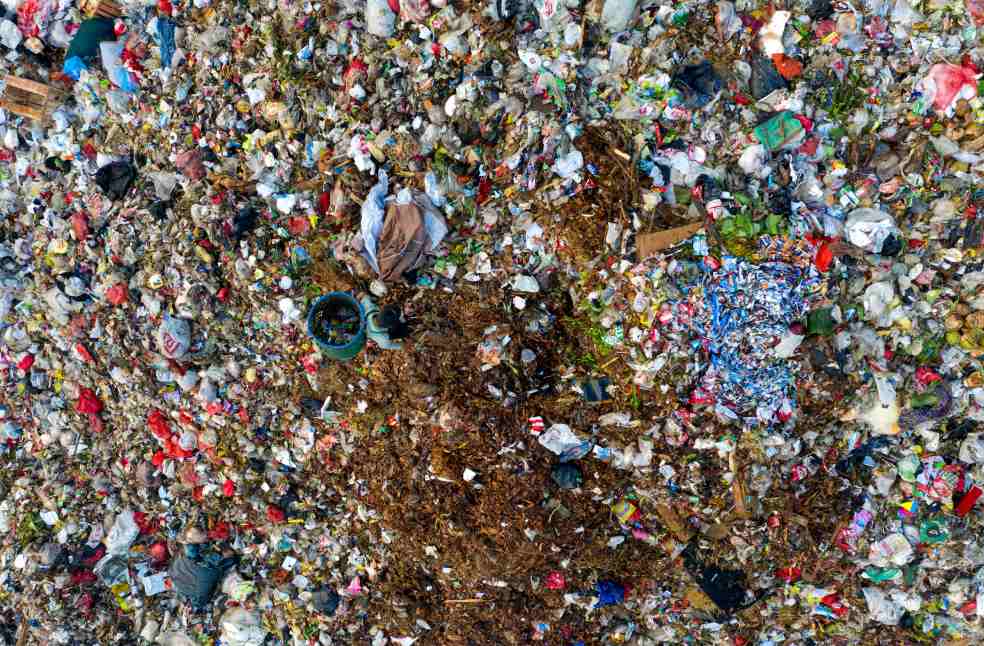
However, the researchers found that even plastic-separation technologies operating at 99 percent efficiency could still result in a significant increase in microplastic contamination of agricultural soils.
Porterfield said there was always a risk of microplastic pollution when food waste was diverted from landfill because neither people nor machines can achieve perfect separation, while much of today’s food is packaged in plastic.
Co-author Eric Roy said Vermont has one of the most ambitious organic-waste diversion programmes in the US. Under the state’s Universal Recycling Law, which has been fully effective since 2020, households are required to divert food waste from landfill.
The researchers said the findings could help assess the potential impact of expanding similar regulations nationwide. They called for plastic contamination to be considered from the beginning when governments design food-waste recycling and diversion policies.
Phil Holtam, co-founder and director of food-waste social enterprise Sussex Surplus, said there was a misconception that plastic packaging was unnecessary. Phil Holtam noted that packaging can play an important role in extending the shelf life of fresh produce, particularly for smallholder farmers.
The findings highlight a complex challenge for food-waste management: diverting food from landfills can deliver major climate benefits, but without effective plastic separation, it could also create a new environmental problem through microplastic contamination.
POPULAR | Infantino under pressure as FIFA denies latest allegations
