



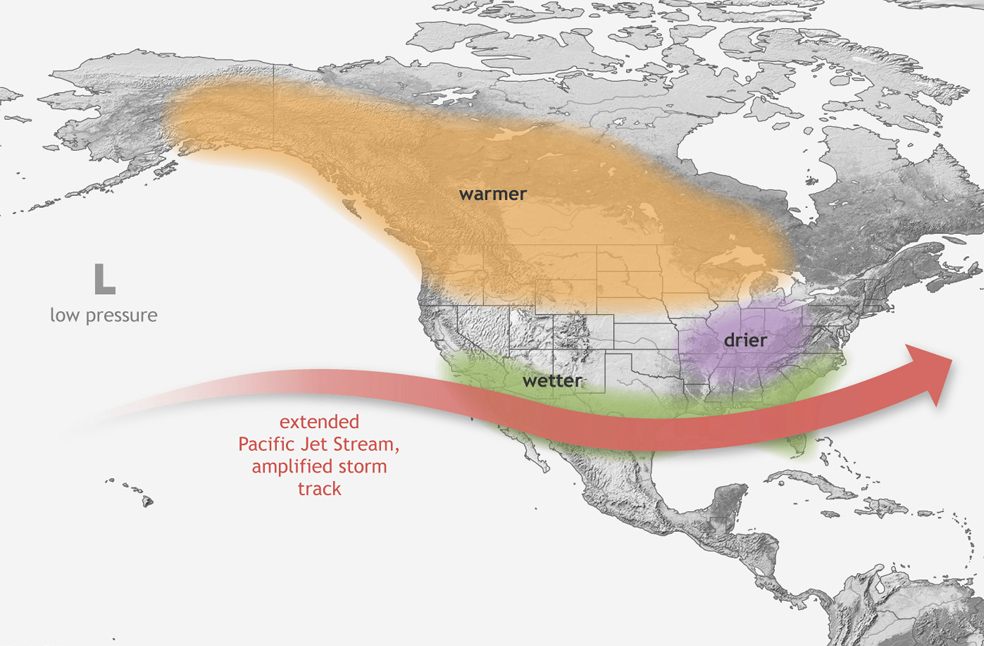
California: A potentially powerful El Niño developing this year could bring an unusually wet winter to parts of the western and south-eastern United States, while increasing the threat of coastal flooding, according to climate forecasts.
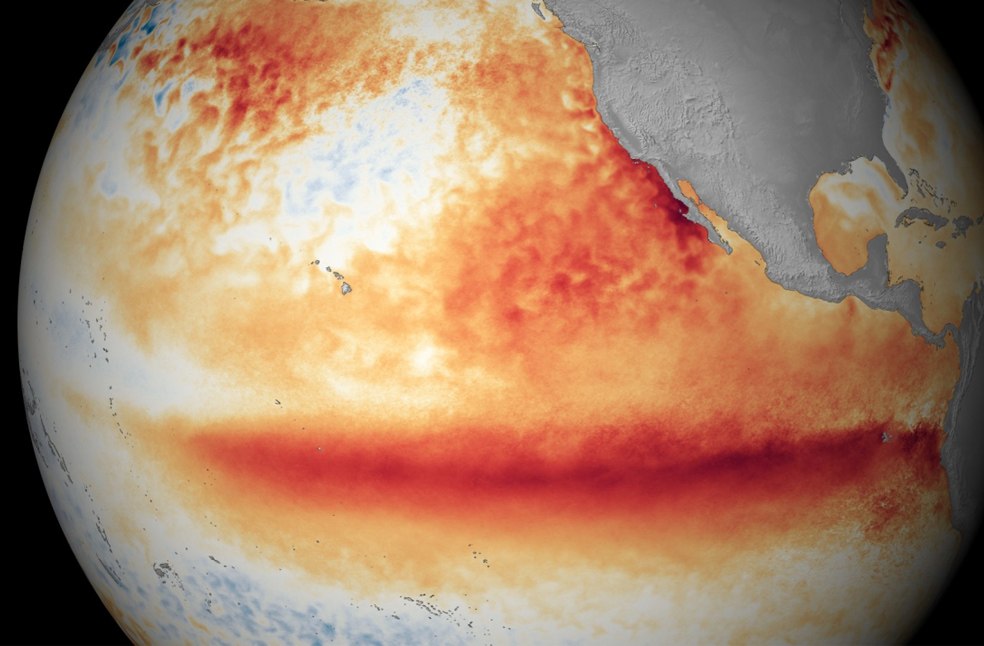
El Niño occurs when shifts in Pacific Ocean wind patterns allow warmer-than-usual seawater to move towards the central and eastern equatorial Pacific. Climate scientists expect the phenomenon to strengthen through the autumn and winter and continue into early spring 2027.
Forecasters are describing the expected event as a potentially “super” El Niño, a term used when Pacific sea surface temperatures rise at least 2°C above average. The US National Oceanic and Atmospheric Administration (NOAA) expects the event to intensify during the coming months, although the exact strength and impacts remain uncertain.
California is among the areas that could see significantly higher rainfall. A European Centre for Medium-Range Weather Forecasts model gives the state’s coastal areas a 70 percent to 100 percent probability of above-average precipitation.
California has experienced severe consequences during previous strong El Niño events. The 1982-83 episode destroyed dozens of oceanfront homes and damaged thousands of other residences. The 1997-98 event brought widespread flooding and was linked to 17 storm-related deaths. During the 2015-16 El Niño, California also recorded severe coastal erosion.
Scientists warn that reduced beach width could leave coastal areas more exposed to powerful waves, increasing the chances of flooding and erosion along vulnerable cliffs.
The expected rainfall may also provide some relief to drought-stricken parts of the US south-west, but experts say a significant improvement in water supplies would require exceptionally heavy precipitation. Such rainfall could itself create additional risks, including flooding, infrastructure damage and potential loss of life.
Higher-than-average precipitation is also expected to be possible across sections of the Gulf Coast and the eastern US, from Florida towards the mid-Atlantic region.
Florida has historically experienced more severe weather during El Niño winters, including increased tornado and flooding activity. During the 1998 El Niño, an unusually intense tornado outbreak in the region caused 42 deaths and more than $100 million in damage.
Experts stress that El Niño events vary considerably, meaning their effects can differ from one region to another. Some have been associated with hurricanes and intense rainfall, while others have contributed to heatwaves and drought.
Scientists also view the approaching event as an opportunity to examine vulnerabilities linked to a changing climate. The temporary rise in sea levels and increased coastal pressure that can accompany a strong El Niño could offer a glimpse into the challenges communities may face more frequently as climate change progresses.
Researchers say the event could therefore serve as a warning for governments and communities to strengthen preparations for flooding, coastal erosion and other extreme weather risks.
ALSO READ | Typhoon Dolphin hits Okinawa; China braces for landfall
