



Southampton: The scientists in the United Kingdom have tested a new approach allowing vaccines to be stored at room temperature, with early trials showing promise to reduce global waste and improve immunisation access.
Current systems rely on strict refrigeration from production to delivery. This process, known as the cold chain, which causes major challenges in remote regions and conflict zones.
Research by the National Institute for Health and Care Research (NIHR) has examined a modified tetanus diphtheria vaccine developed by Stablepharma. The vaccine was converted into a dry powder and stored for one year at room temperature before being rehydrated and administered to 60 volunteers.
Further research has already been planned, with a larger trial involving 160 participants is expected to begin in the coming months. Since the original vaccine is already approved, the process may progress faster than entirely new vaccine developments.
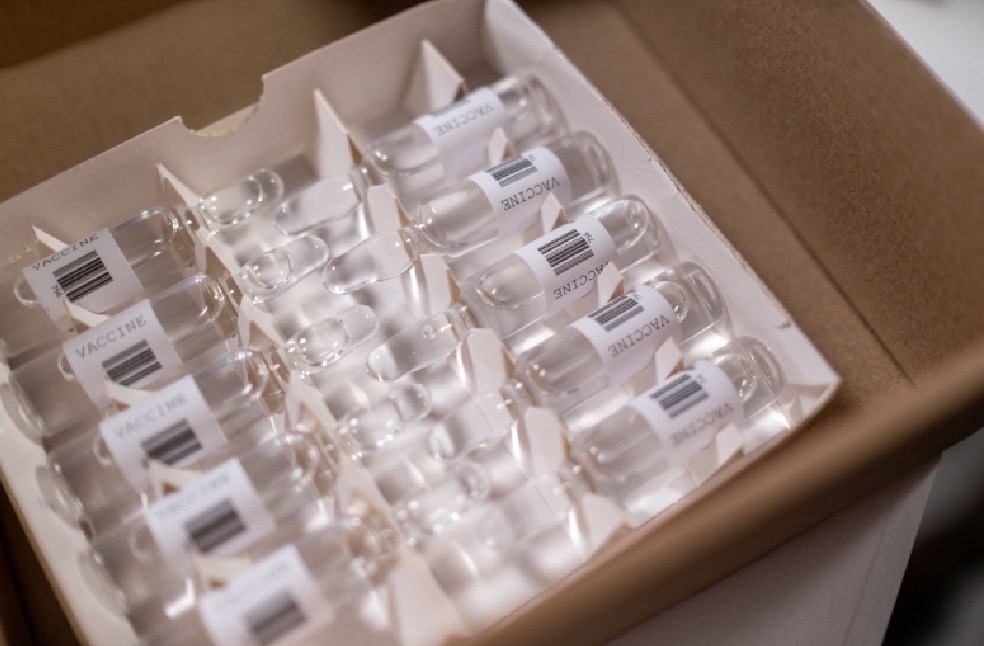
Prof Saul Faust, Director at the NIHR Clinical Research Facility in Southampton, stated that the approach could remove dependence on cold storage systems. Faust added that reduced wastage and improved access could follow if the method is widely adopted.
The innovation draws inspiration from resurrection plants, which survive extreme drying conditions by producing a sugar known as trehalose, which protects cellular structures. Researchers applies this concept to stabilise vaccine components during storage.
The World Health Organization (WHO) estimated that around half of all vaccines are wasted globally. Failures in the cold chain have been identified as a major factor, along with transport damage and expired doses.
The research indicates that the stabilised vaccine can withstand temperatures ranging from -20C to 40C. This could allow safe transport through varying climates without specialised refrigeration. The method may not apply to all vaccines such as mRNA types, it could be adapted for many existing vaccines and certain medicines that currently require refrigeration.
ALSO READ | Gaza markets see goods return as affordability crisis grows
