


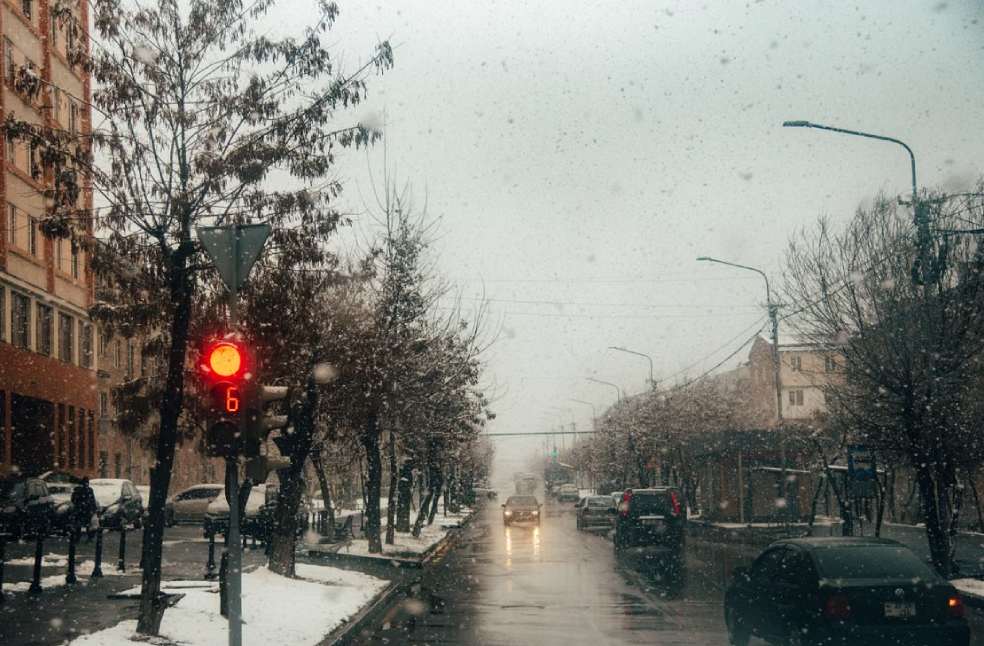
Wellington: An Antarctic cold snap has sent temperatures plunging across New Zealand, bringing rare snowfall to the capital Wellington and allowing residents in the southern city of Dunedin to ski and snowboard through snow-covered streets.
The cold front moved across the country on August 4, bringing freezing conditions, widespread frost, snow, hail and strong winds. Wintry weather continued into August 5, with three locations on the South Island recording temperatures as low as -9C.
In Wellington, a mixture of sleet and snow fell to sea level shortly after midday on August 4, prompting office workers and residents to rush outside to watch the unusual weather. The snowfall was a rare event for the capital, where significant snow is uncommon.
Residents shared videos and photographs of the flurries across social media, with many describing their surprise and excitement at seeing snow in the city.
Conditions were even more wintry further south. Snow blanketed Dunedin, prompting schools to send students home as roads became increasingly difficult to navigate. Residents took advantage of the conditions by skiing and snowboarding through the city’s streets.
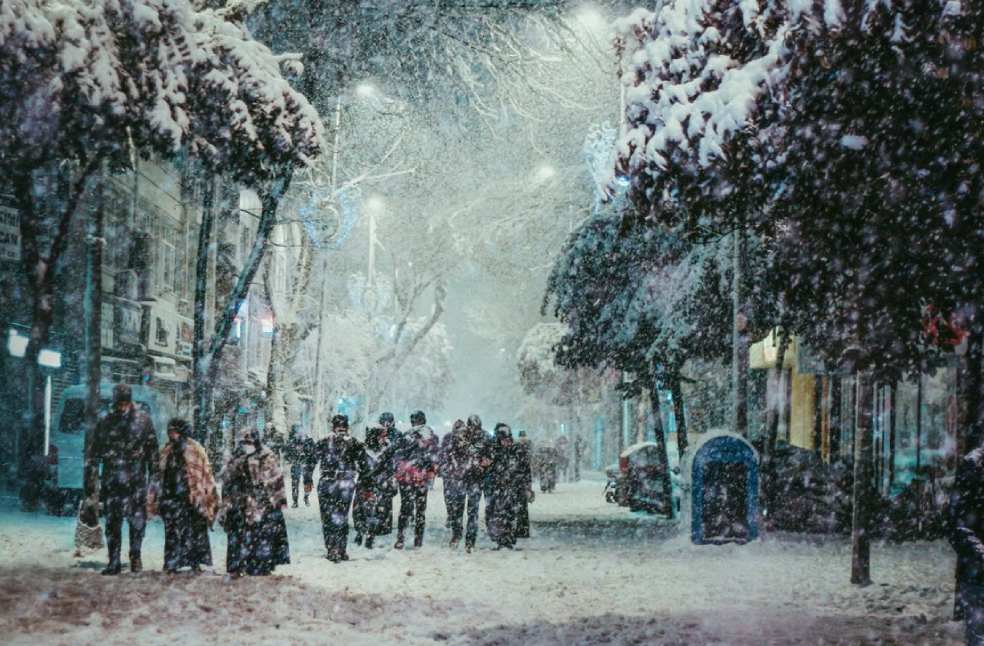
Footage shared by local media showed one skier descending Baldwin Street, which is recognised by Guinness World Records as the world’s steepest street.
Snow also reached Christchurch, where New Brighton Beach received a light covering. Severe wind and rain disrupted aviation, with one aircraft forced to abort a landing at Christchurch International Airport.
The freezing conditions also created hazards for motorists. Police responded to several incidents involving vehicles sliding from icy roads and urged people to avoid unnecessary travel. Some highways were closed because of dangerous conditions, while parts of the eastern North Island experienced heavy hail.
New Zealand’s weather agency MetService said temperatures were expected to temporarily rise during August 5 before falling sharply again overnight. Parts of the country could experience their coldest morning of the year on August 6.
The severe cold has also pushed electricity demand to record levels. National grid operator Transpower recorded its highest-ever peak electricity usage on the morning of August 5 and warned of a possible energy shortfall later in the week as households increased heating use.
MOST READ | Three lions die at Tokyo zoo as Japan battles extreme heat
