


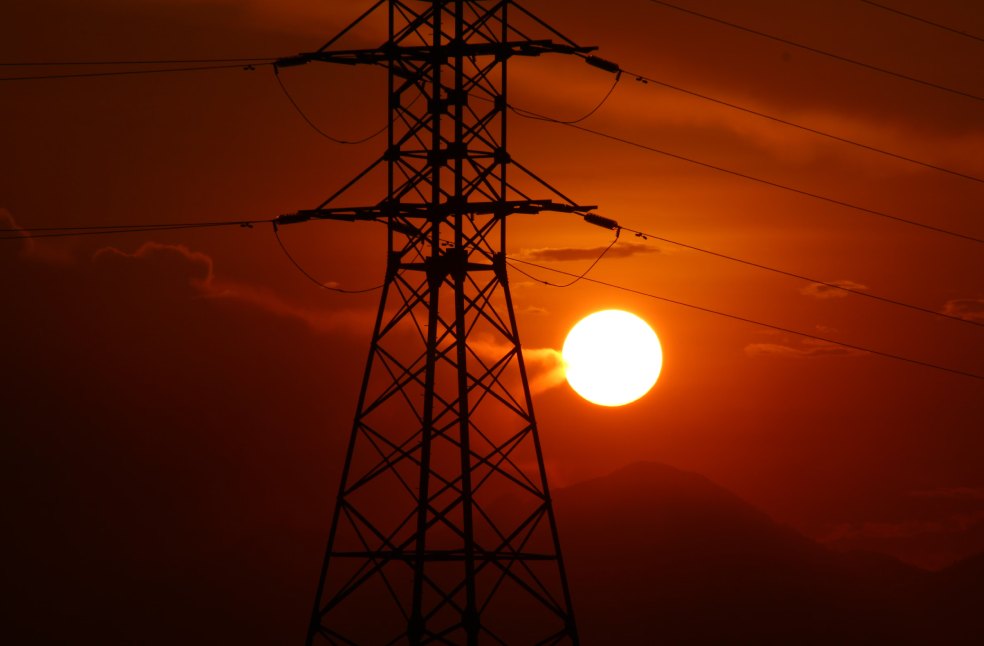
Havana: Cuba has been plunged into another nationwide blackout after the country’s national electricity grid collapsed, leaving millions without power and deepening the island’s ongoing energy crisis.
The state-run Electric Union (UNE) announced the collapse through its official social media channels but did not immediately disclose the cause of the failure, the full extent of the disruption, or a timeline for restoring electricity.
Hours before the complete grid failure, Havana’s electricity company had reported multiple outages caused by damaged transformers, circuit failures, and scheduled power cuts due to insufficient electricity generation. Several municipalities, including Guanabacoa, Habana del Este, La Lisa, and Marianao, were already experiencing prolonged disruptions.
🔴 22:43 || Ocurre una desconexión total del Sistema Electroenergético Nacional.
👉 Continuaremos informando. pic.twitter.com/X1hPn8mpah
— Unión Eléctrica de Cuba (@OSDE_UNE) August 3, 2026
Following a nationwide grid collapse, Cuban authorities typically begin recovery by establishing isolated power networks to maintain electricity supply to essential services such as hospitals, water treatment facilities, and food production plants before gradually reconnecting larger power stations.
The latest outage marks another setback in a series of nationwide blackouts that have affected Cuba this year. The country’s electricity grid reportedly collapsed three times within nine days in July, including two island-wide failures in the same week. One of those outages left nearly 10 million people without electricity as authorities struggled to restore the system due to insufficient power generation capacity.
Cuba’s ageing electricity infrastructure continues to face mounting challenges, with frequent equipment failures, fuel shortages, and limited access to replacement parts. Many of the country’s thermoelectric power plants are more than three decades old and have received minimal maintenance over the years, contributing to recurring breakdowns.
The Cuban government attributes the worsening energy crisis to long-standing US sanctions, arguing that restrictions have severely limited the country’s access to fuel supplies, financing, and essential equipment. Officials also point to reduced oil imports from Venezuela and the suspension of fuel shipments from Mexico following increased pressure from Washington.
However, critics argue that decades of underinvestment and poor management within Cuba’s energy sector have significantly contributed to the collapse of the power system. The repeated blackouts have disrupted transportation, water distribution, telecommunications, healthcare services, and daily life across the island. Residents continue to face difficulties preserving food, preparing meals, and coping with high summer temperatures as authorities work to restore electricity.
POPULAR | Former Peru President Ollanta Humala released after court ruling
