



Check your phone or smartwatch at the end of the day and you might see 6,000 steps, 8,500 steps or perhaps the satisfying notification that you have finally crossed 10,000.
For years, 10,000 steps has been treated almost like a daily health rule. Fitness trackers celebrate it. Walking challenges are built around it. Some people even pace around their homes at night just to close that final gap. But there is an interesting question behind this familiar target. Why exactly 10,000? Why not 8,000? Why not 12,000?
The answer is surprising because the famous 10,000-step target did not originally come from a major global health recommendation. Its history can be traced back decades, and modern research suggests that meaningful health benefits can begin well before someone reaches that five-digit number.
Where did 10,000 steps come from
The story goes back to Japan in the 1960s. Around the time of the 1964 Tokyo Olympics, walking and fitness were attracting growing public interest. A Japanese pedometer called manpo-kei was marketed during this period. The name is commonly translated as ‘10,000-step meter.’
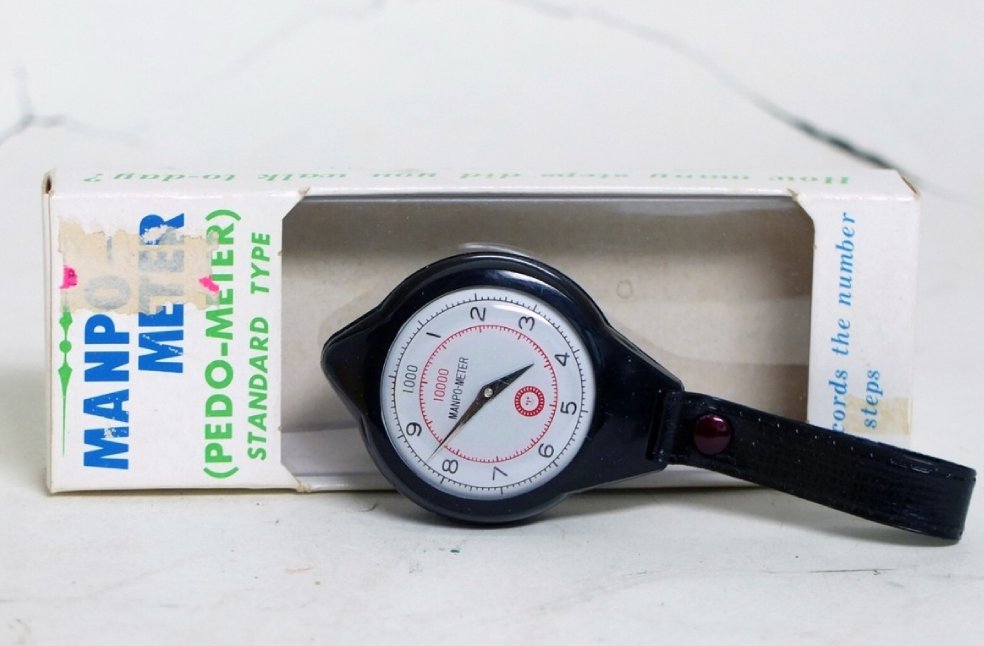
The idea was simple and memorable. Walk 10,000 steps every day. Over time, that number travelled far beyond Japan. Pedometers became popular around the world, followed decades later by smartphones, fitness bands and smartwatches.
Eventually, 10,000 steps became so familiar that many people began treating it as an official health threshold. But the original number was not created because researchers had discovered that exactly 10,000 steps was the point at which a person became healthy.
How one number became global fitness goal
Ten thousand has several qualities that make it an attractive target. It is a round number. It is easy to remember. It also feels challenging enough to give people something to work towards. Then technology helped make it part of everyday life.
Modern smartphones can automatically count steps. Fitness trackers send reminders when users have been sitting for too long. Smartwatches display progress rings, daily goals and congratulatory messages when targets are reached.
Suddenly, walking was not just something people did. It became something they could measure. And 10,000 became the number many devices encouraged people to chase. For some, that target can be motivating. It encourages people to take the stairs, walk to nearby shops or go for an evening stroll instead of remaining sedentary.
Do you really need 10,000 steps
Not necessarily. Scientists have increasingly studied how daily step counts are associated with health outcomes, and the results suggest that benefits can appear at considerably lower levels.
A large meta-analysis published in the European Journal of Preventive Cardiology examined the relationship between daily steps and the risk of death from all causes and cardiovascular disease.

The researchers found that health benefits were associated with step counts well below 10,000. The analysis found progressively lower mortality risk as step counts increased, with benefits beginning at around 4,000 daily steps for all-cause mortality and at even lower levels for cardiovascular mortality.
The study also found that every additional 1,000 daily steps was associated with a further reduction in the risk of death from any cause. This does not mean that 4,000 steps is a new magic number. Instead, it suggests something much simpler: more movement matters, even when you do not reach 10,000.
Missing target does not mean failing
Imagine someone who usually walks only 2,000 steps a day. If that person starts walking 5,000 or 6,000 steps regularly, it would make little sense to dismiss the improvement simply because their smartwatch still says they are below 10,000. This is where the obsession with a single target can sometimes become misleading.
Physical activity is not an all-or-nothing achievement. A person who walks 7,000 steps has not ‘failed’ because they did not reach 10,000. Similarly, someone who walks 10,000 steps does not automatically have a perfectly active or healthy lifestyle. Step count is simply one way of measuring movement.
What does WHO actually recommend
Interestingly, the World Health Organization (WHO) does not tell every adult to complete 10,000 steps each day. Its physical activity guidelines focus more on the amount and intensity of movement than on reaching a universal daily step count.
For adults, WHO recommends:
- 150 to 300 minutes of moderate-intensity aerobic physical activity each week
- 75 to 150 minutes of vigorous-intensity aerobic activity each week
- A combination of moderate and vigorous activity can also count
- Muscle-strengthening activities involving major muscle groups on two or more days a week
- Limiting the amount of time spent being sedentary
- Remembering that some physical activity is better than none
Walking for transport, household tasks, exercise, sport and other forms of movement can all contribute to staying physically active.
Do all 10,000 steps have to happen at once
No. Your daily step count includes movement accumulated throughout the day. Walking to the bus stop counts. Walking around the supermarket counts. Taking the stairs counts. Walking during a lunch break counts.
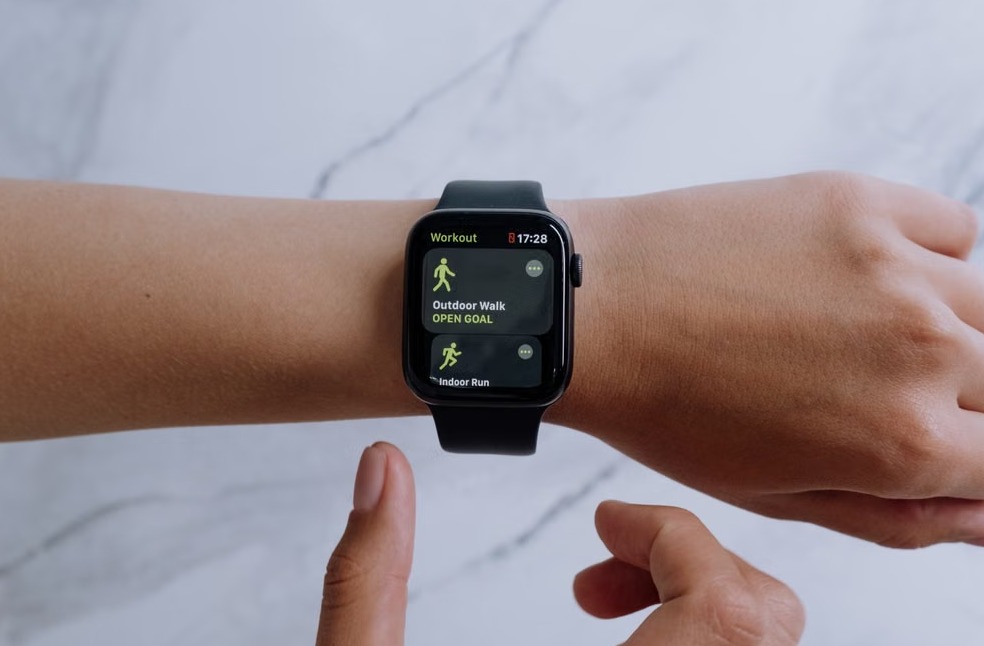
Even household activities can contribute to overall physical activity. This is good news for people who do not have enough time for a long dedicated walk every day. Instead of thinking only about completing one major exercise session, small opportunities to move throughout the day can gradually increase activity levels.
Does walking speed matter?
Step count tells you how much you moved, but it does not tell the whole story. Intensity matters too.A relaxed walk around a shopping centre and a brisk 30-minute walk may produce similar numbers of steps, but they can place different demands on the cardiovascular system.
That is one reason major health guidelines consider the duration and intensity of physical activity alongside overall movement. Step counts are useful because they are easy to understand, but they should not be treated as the only measure of fitness.
What if you only manage 4,000 or 5,000 steps?
Keep walking. One of the most useful messages from step-count research is that people do not have to suddenly jump from a sedentary lifestyle to 10,000 steps. Increasing movement gradually can be a more realistic approach.
Simple ways to add more steps include:
- Walk after meals: Even a short walk can add movement to your day.
- Take the stairs: Choose stairs instead of lifts when practical.
- Walk while talking: Phone calls can become an opportunity to move.
- Park a little farther away: A few extra minutes of walking can add up.
- Take movement breaks: Get up and walk periodically during long working hours.
- Walk short distances: When practical, consider walking instead of driving.
- Set a personal target: If you currently average 3,000 steps, aim for 4,000 before trying to reach much higher numbers.
Small changes may not seem significant individually, but together they can gradually increase daily activity.
Are 10,000 steps still a good goal
For many people, yes. There is nothing inherently wrong with aiming for 10,000 steps. It can be a simple and motivating way to encourage an active lifestyle. The problem is treating it as a universal pass-or-fail health test.
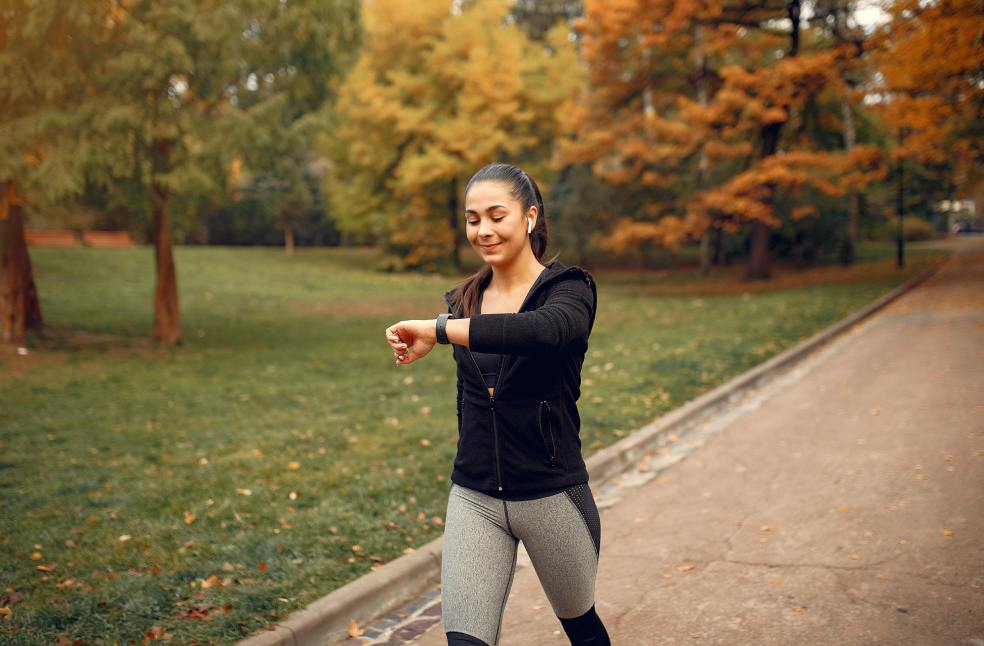
Age, fitness level, health conditions, occupation and mobility all influence how much activity is realistic for an individual. Someone working on their feet all day may naturally exceed 10,000 steps. Another person with a desk job may have to deliberately create opportunities to move.
Older adults and people with certain health or mobility conditions may also need different goals. The most useful target is often one that encourages someone to move more than they currently do and that can be maintained consistently.
Beyond number on your watch
The 10,000-step target has achieved something valuable. It made millions of people pay attention to how much they move. But modern research is helping put the famous number into perspective. Ten thousand steps can be a useful goal, but it is not a magical dividing line between an active and inactive person.
Walking 6,000, 7,000 or 8,000 steps does not suddenly become meaningless because a smartwatch target remains unfinished. The bigger lesson is much simpler. Move when you can. Walk a little farther. Sit a little less. Increase your activity gradually.
Because when it comes to health, the steps you actually take may matter more than whether your screen eventually flashes 10,000.
WE RECOMMEND | Why everyone is talking about the 75 Hard Challenge
