


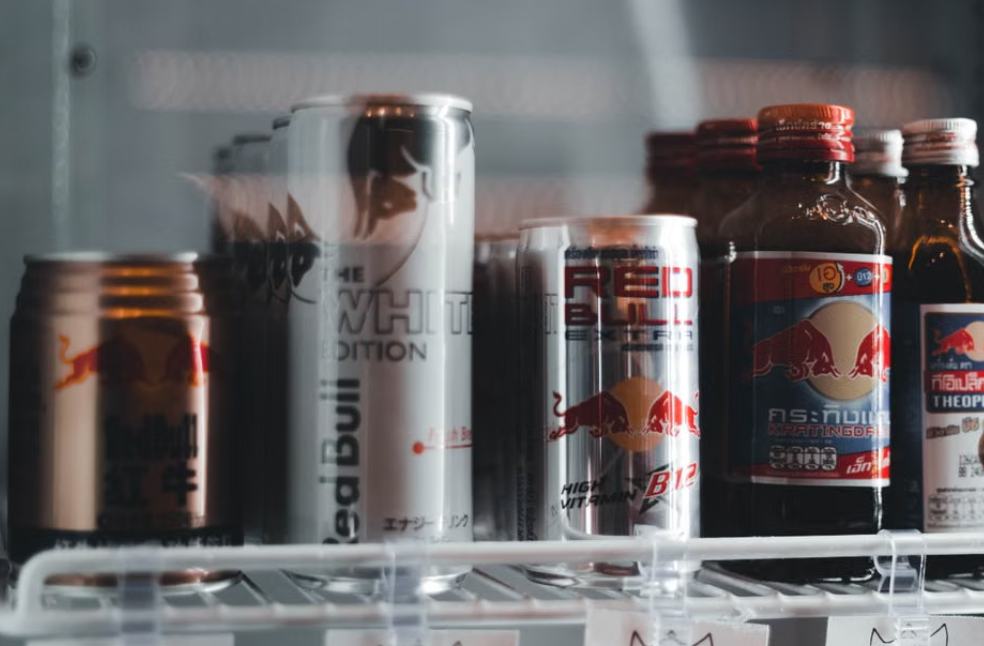
New Delhi: India has refused to soften its crackdown on high-caffeine beverages marketed as ‘energy drinks’, rejecting industry efforts to delay the regulatory move despite concerns that the decision could disrupt one of the country’s fastest-growing beverage markets.
The Food Safety and Standards Authority of India (FSSAI) has directed manufacturers to stop using the term ‘energy drink’ or similar descriptions on product labels, saying India has no approved food standard recognising such a category. The regulator also said marketing claims suggesting the beverages ‘vitalize body and mind’ or help overcome general weakness are misleading.
The action affects several major beverage companies, including PepsiCo, Red Bull, Monster Beverage, Reliance Consumer Products, and Hell Energy, according to documents and people familiar with the matter. Companies fear removing the widely recognised category label could weaken brand identity, confuse consumers and affect sales in a market projected to reach $1.6 billion by 2028.
At a closed-door meeting with senior industry executives on Friday, FSSAI Chief Executive Rajit Punhani rejected requests to postpone or reconsider the decision. According to people familiar with the discussions, Rajit Punhani told company representatives that the regulator would not change its position and that businesses were free to challenge the order through legal channels if they disagreed.
The regulator first announced the action publicly in early July, saying notices had been issued to manufacturers because there were no Indian standards defining energy drinks as a separate product category. FSSAI maintained that claims implying such beverages improve energy levels or physical and mental performance could mislead consumers.
The decision marks one of India’s strongest regulatory interventions in the beverage sector in recent years and reflects increasing scrutiny of product marketing and health-related claims. The dispute also highlights the growing tension between regulators seeking stricter consumer protection measures and multinational companies whose products rely heavily on performance and energy-focused branding.
MOST READ | Australia to raise tariff concerns with Trump after US trade move
